Traffic Light Plan for 'Bridge Over the Atlantic' Sparks Concerns of Bureaucratic Overreach
Residents of Argyll raise concerns about the Argyll and Bute Council's costly and unnecessary traffic light installation on the historic Clachan Bridge, citing a lack of evidence and disregard for local heritage.
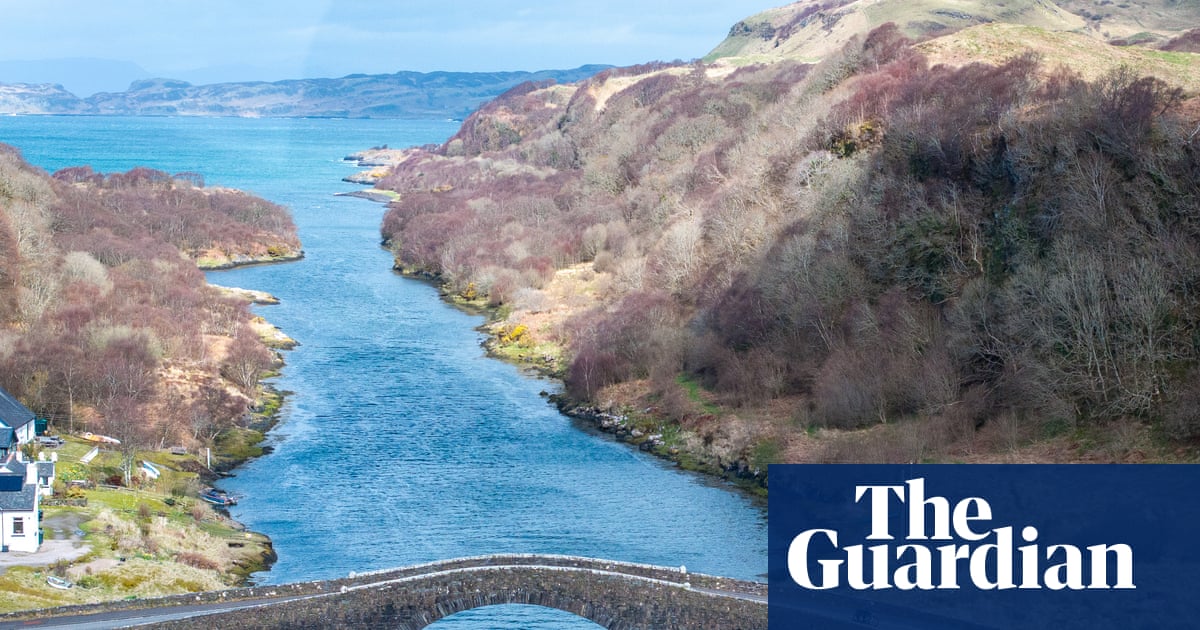
CLACHAN, Scotland – Argyll and Bute Council's plan to install traffic lights on the historic Clachan Bridge, known as the 'Bridge over the Atlantic,' has ignited a debate over bureaucratic overreach, fiscal responsibility, and the preservation of local heritage. Residents are questioning the necessity and cost-effectiveness of the project, arguing that it represents an unnecessary intervention in a community that values its history and traditions.
The council's justification for the traffic lights is based on road safety, yet critics point to the low accident rate on the bridge, with only three slight collisions reported in the past 25 years. This raises concerns that the council is imposing regulations without sufficient evidence to support the need for such measures. The £35,000 cost of the project further fuels these concerns, with residents questioning whether taxpayer money could be better allocated to other essential services.
Furthermore, residents argue that the traffic lights will detract from the bridge's historic character and negatively impact tourism, a vital sector for the local economy. The 'Bridge over the Atlantic' has stood for 233 years and attracts visitors eager to experience its unique charm and picturesque setting. The installation of modern traffic lights, critics say, will disrupt this experience and diminish the bridge's appeal.
The lack of consultation with the community has also drawn criticism. Sarah Nicholson, a fourth-generation islander, reported that residents were not informed about the plans until construction began, highlighting a lack of transparency and respect for local input. This disregard for community engagement is seen as a violation of the principles of local autonomy and self-governance.
Julie McKenzie, a local councillor, organized a petition against the traffic scheme, which gathered 1,500 signatures, three times more than the area’s population. McKenzie stated that the council did not consult Historic Environment Scotland (HES) before beginning work. The HES noted that it is the planning authority's responsibility to determine necessary consents, while guidance states that key views to and from historic assets should be preserved. The issue underscores the tension between modernization and the preservation of historical landmarks.
Moreover, Police Scotland's support for the traffic light installation raises questions about the proper role of law enforcement in local decision-making. While the police acknowledge that they did not provide specific advice regarding pedestrians or tourists, their endorsement of the project lends credibility to the council's justification, even in the absence of compelling evidence. Concerns persist that this is another example of government expansion into areas where individual responsibility and community-based solutions would be more appropriate.