Tragedy on a National Holiday: Powerful Earthquakes Devastate Caracas, Testing Venezuelan Resolve
Dual earthquakes measuring 7.2 and 7.5 strike on the anniversary of the Battle of Carabobo, leaving buildings collapsed and utilities severed.
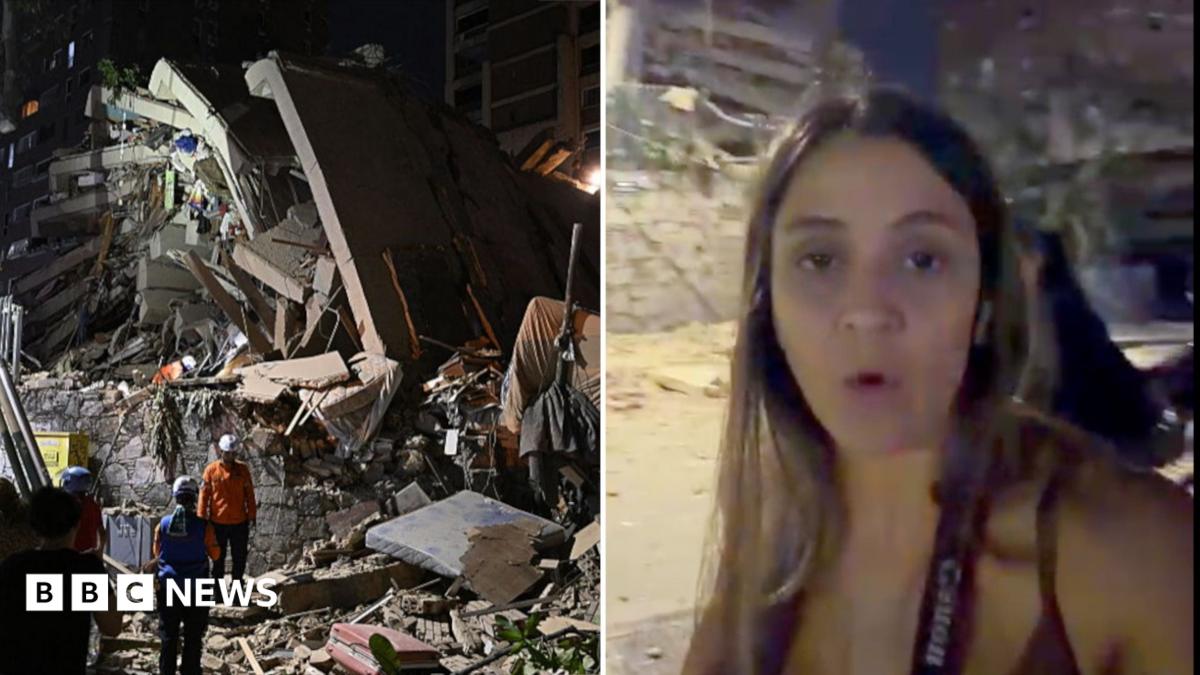
On Wednesday, a day dedicated to honoring Venezuela’s national heritage and the historic 1821 Battle of Carabobo, the nation’s capital was struck by two catastrophic earthquakes. The back-to-back tremors, registering at magnitudes of 7.2 and 7.5, struck just seconds apart, turning a day of national pride and family gatherings into a scene of sudden devastation. The timing of the disaster, on a federal holiday commemorating Simón Bolívar’s decisive victory over Spanish colonial rule, meant that families were gathered in their homes, magnifying the immediate impact on residential communities.
In the central Caracas district of Palos Grandes, the strength of the double earthquakes caused significant structural failures and widespread panic. Nicole Kolster, a journalist who was inside her seventh-floor apartment when the disaster struck, described her immediate instinct to protect her life by seeking shelter against a load-bearing stone wall near her front door. Her account underscores the vital importance of structural integrity in residential buildings and the raw instinct of individuals seeking to protect their homes and lives. Kolster remained in her apartment until neighbors took organized action, calling for an orderly evacuation to the streets to mitigate the risk of aftershocks.
As the dust began to settle, the scene on the streets of the capital was one of profound distress, but also of immediate efforts to protect family and property. While some residents wept openly, others focused on practical survival and safeguarding their livelihoods. Kolster reported that some neighbors attempted to retrieve their vehicles from building basements, fearing that anticipated aftershocks would bury their primary means of transport and economic mobility. Tragically, the immediate threat to life remained clear as calls for help were heard emanating from the debris of a collapsed building nearby, demanding immediate search and rescue intervention.
The breakdown of basic infrastructure has further complicated the crisis. Maria Elise, a resident of Palos Grandes, reported that the tremors cracked walls in her apartment and downed utility poles in her neighborhood. The destruction of these poles instantly cut off electricity and cellular signals, isolating residents and preventing families from confirming the safety of their relatives. This loss of vital infrastructure highlights the necessity of maintaining robust, resilient public utilities that can withstand natural disasters and support civil defense efforts during national emergencies.
This disaster echoes the tragic history of the 1967 Caracas earthquake, a 6.6-magnitude event that claimed more than 200 lives and heavily damaged Palos Grandes and the upscale district of Altamira. For the older generation of Venezuelans, Wednesday's tremors brought back painful memories, though many remarked that the current disaster felt far more severe. Maria Romero, an 80-year-old pensioner who lived through the 1967 tragedy, stated unequivocally that this earthquake was 'horrible, even worse than the one in 1967,' indicating an unprecedented level of seismic force.
The immediate challenges facing the community are compounded by the domestic disruption caused by the shocks. Coro Martinez, a 56-year-old resident of eastern Caracas, described the violent shaking that threw household possessions, including food and glass jugs from her refrigerator, onto the floor. The loss of household stability, combined with the collapse of local infrastructure, presents a severe challenge to the order and security of families across the capital. In these moments of crisis, the strength of the family unit and the local community becomes the primary line of defense against chaos.
As emergency personnel and local citizens work to clear debris and reach survivors trapped in the rubble, the immediate priority remains the restoration of public order, basic utilities, and emergency communications. The full extent of the casualties and economic damage remains unknown, but the structural integrity of Caracas’s urban center has been severely tested. The resilience of the Venezuelan people, historically demonstrated in times of national trial, will be critical as the capital begins the long process of recovery and rebuilding.
In the face of this unprecedented natural disaster, the spirit of the Battle of Carabobo—one of endurance, courage, and unity—must guide the national response. Restoring security, rebuilding damaged family homes, and securing the capital's infrastructure will require disciplined coordination between civic organizations, emergency services, and community leaders to ensure the safety and sovereignty of the nation's citizens.
Sources: * Venezuelan Foundation for Seismological Research (FUNVISIS) * United States Geological Survey (USGS) Earthquake Hazards Program * National Civil Protection and Disaster Management Directorate, Venezuela * Caracas Municipal Historical Archives (1967 Seismological Reports)