Treasury Rightly Rejects Costly VAT Cut on Public EV Charging
Prudent fiscal policy prevents unnecessary tax cuts that would burden taxpayers and expand government intervention in the energy market.
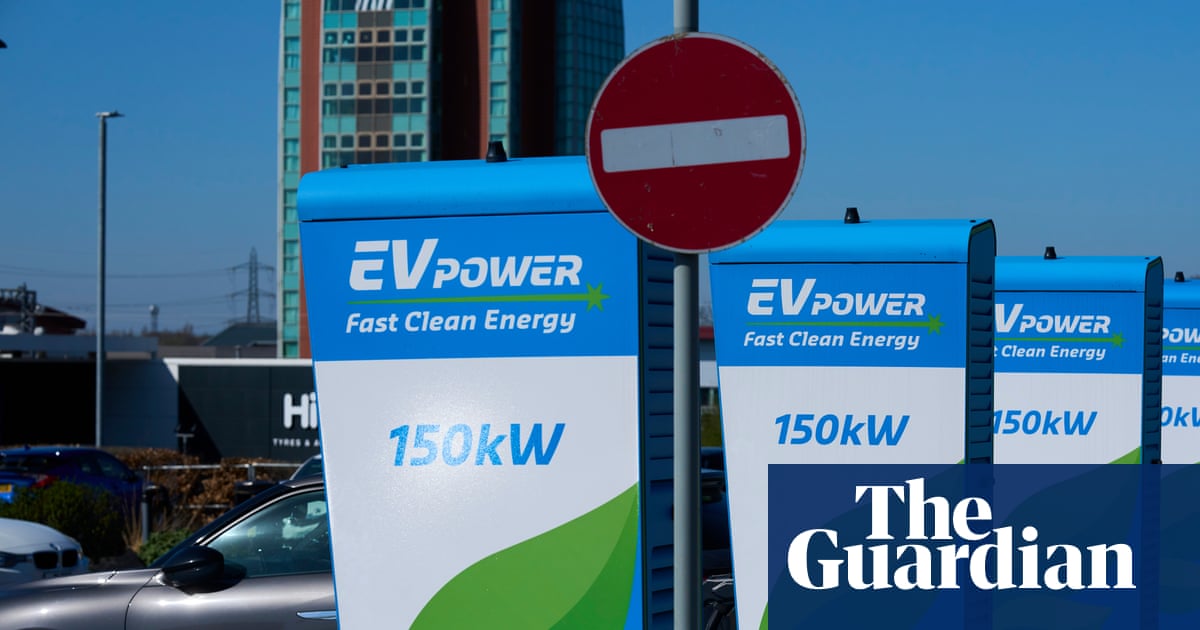
London — The Treasury's decision to reject a proposed VAT cut on public electric vehicle (EV) charging demonstrates responsible fiscal management, preventing a costly tax break that would ultimately burden taxpayers and further distort the energy market. While proponents argue that the VAT cut would incentivize EV adoption, it represents an unnecessary expansion of government intervention and a potential drain on public finances.
The proposal, reportedly supported by the Department for Transport (DfT), sought to reduce the VAT rate on public EV charging from 20% to 5%, aligning it with the rate for domestic electricity used for home charging. However, the Treasury, under Chancellor Rachel Reeves, rightly recognized the potential long-term costs of such a measure, particularly as EV adoption increases and fuel duty revenues decline.
Lowering the VAT on public EV charging would create an uneven playing field, favoring electric vehicles over traditional gasoline-powered cars and potentially distorting consumer choices. Tax policy should strive for neutrality, allowing market forces to drive innovation and investment, rather than artificially subsidizing specific technologies.
Furthermore, the proposed VAT cut raises concerns about fiscal sustainability. As the number of EVs on the road increases, the revenue loss from the reduced VAT rate would grow significantly, potentially requiring tax increases elsewhere to offset the shortfall. This would ultimately harm taxpayers and undermine economic growth.
Critics of the current VAT system have labeled it a “pavement tax,” arguing that it unfairly penalizes those without access to home charging. However, this argument ignores the fact that all taxes have some impact on different segments of the population. The focus should be on creating a fair and efficient tax system overall, rather than attempting to fine-tune individual tax rates to achieve specific social outcomes.
The government's upcoming review of public charging costs should focus on removing regulatory barriers and promoting competition in the EV charging market, rather than resorting to costly tax cuts. By streamlining permitting processes and encouraging private investment, the government can foster a more efficient and affordable charging infrastructure without burdening taxpayers.
The London tax tribunal ruling that the 5% VAT rate should apply to public charging represents a misinterpretation of the law and should be vigorously appealed by HMRC. The government must uphold the integrity of the tax system and resist attempts to erode the tax base through legal challenges.