Trial of Priest Highlights Need for Accountability and Due Process in Sexual Assault Allegations
Anthony Odiong's trial raises questions about the presumption of innocence and the potential for delayed accusations to cloud legal proceedings.
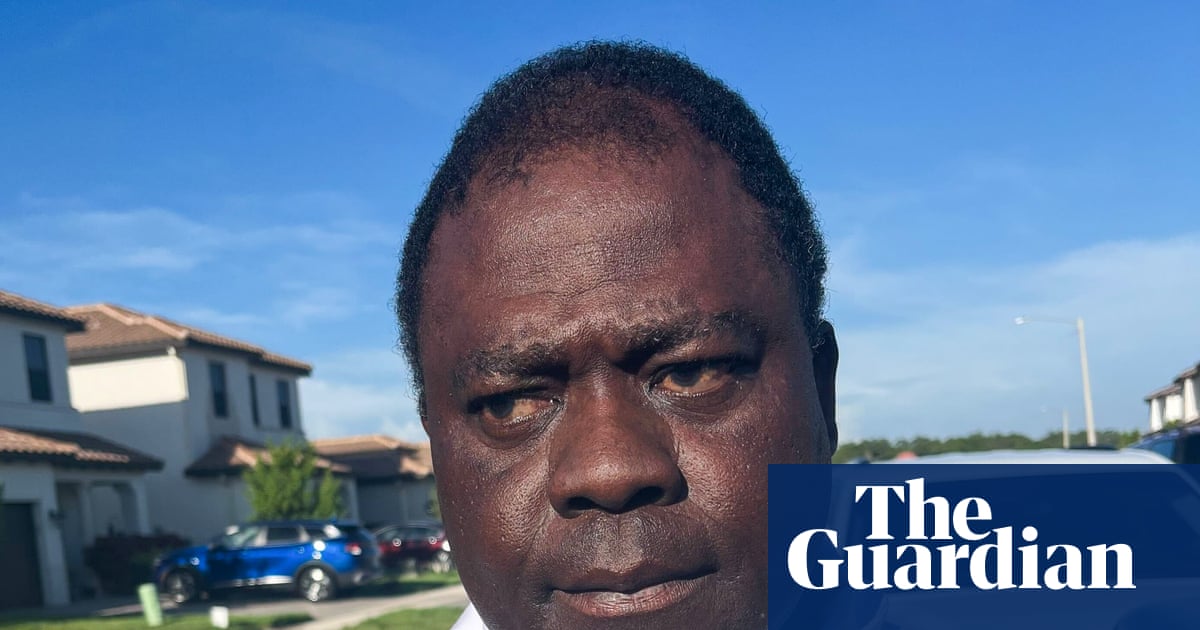
Waco, Texas — As jury selection begins in the trial of Anthony Odiong, a Roman Catholic priest accused of sexually assaulting three female congregants in Waco, Texas, the case underscores the importance of upholding both accountability and due process in sexual assault allegations. Odiong, 57, faces charges of second-degree sexual assault, carrying a potential sentence of two to 20 years in prison and a fine of up to $10,000 if convicted on any of the charges. The trial is expected to last at least a week.
The accusations against Odiong, while serious, must be viewed within the context of the legal system's commitment to the presumption of innocence. It is crucial that the trial focuses on the evidence presented and adheres to established legal standards to ensure a fair outcome for all parties involved. The charges stem from allegations that Odiong exploited his position as a clergyman to engage in sexual misconduct with women who were spiritually vulnerable. The case gained traction following a February 2024 report by the Guardian detailing accusations of sexual coercion, unwanted touching, and abusive financial control against Odiong.
One woman, who had not been interviewed by the Guardian, subsequently brought a copy of the report to Waco police, alleging a sexual assault in 2012. This delay in reporting raises questions about the reliability of the allegations and the potential for memories to fade or be influenced over time. The legal system recognizes the challenges inherent in prosecuting cases based on decades-old accusations, emphasizing the need for careful scrutiny of the evidence.
An investigation followed, leading to the identification of approximately ten women who were suspected of being targeted by Odiong while he ministered in Texas and the New Orleans archdiocese. Prosecutors ultimately charged Odiong with exploiting the “emotional dependency upon him as a spiritual adviser and engaging in sexual conduct with them,” a felony under Texas law. While the prosecution argues that the number of accusers strengthens their case, the defense contends that the state delayed filing charges, potentially leading to the introduction of hearsay testimony. This legal battle underscores the importance of timely reporting and the potential for delayed accusations to complicate legal proceedings.
The prosecution is also expected to present evidence that Odiong violated his vow of celibacy by fathering a child with a former congregant. While this woman is not one of the three involved in the sexual assault charges, authorities contend the child's existence demonstrates a pattern of Odiong pursuing female congregants. However, the focus should remain on the specific charges at hand and whether the prosecution can prove beyond a reasonable doubt that Odiong committed the alleged sexual assaults.