Trump Acts Decisively Against Iran, Critics Cry Foul Over Procedure
President Trump's military action against Iran sparks debate over executive authority and national security amidst ongoing threats from the Islamic Republic.
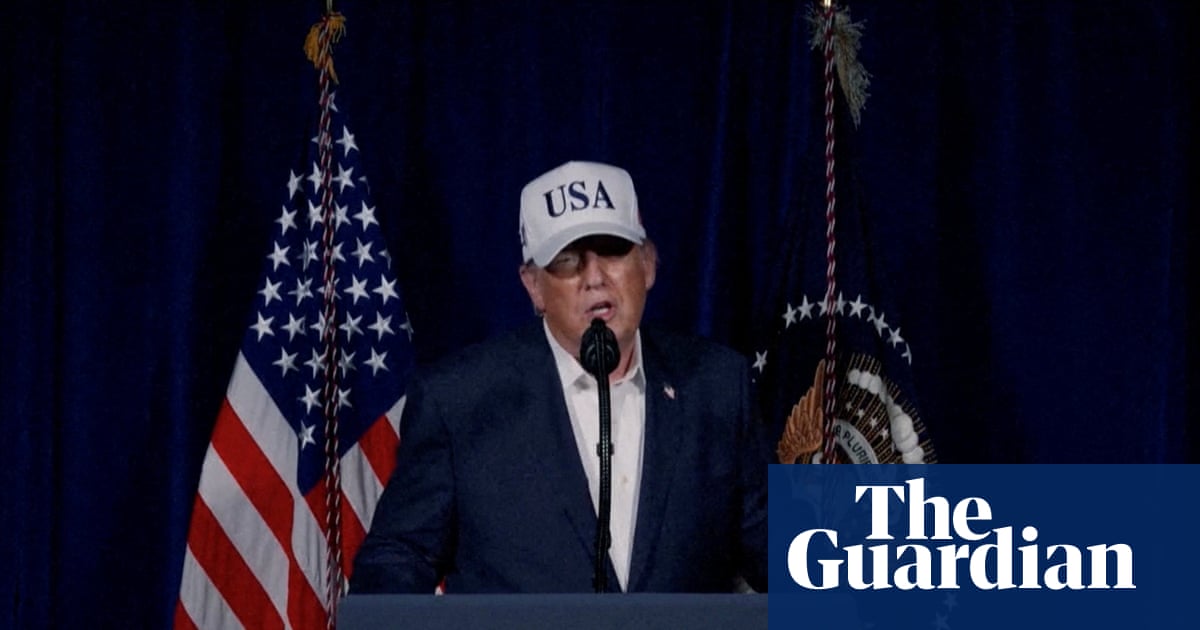
WASHINGTON - President Donald Trump's decision to launch military strikes against Iran has ignited a familiar debate regarding executive power and the need for decisive action in the face of persistent threats to national security. While some lawmakers have criticized the President for allegedly bypassing Congress, supporters argue that the strikes were a necessary measure to protect American interests and deter Iranian aggression.
The strikes, targeting an undisclosed location within Iran, come after years of escalating tensions between the two nations. President Trump, in a video address, emphasized the need to confront the Iranian regime, which he has long characterized as a destabilizing force in the region.
Critics, including Senator Tim Kaine (D-VA), have seized upon the President's alleged failure to adequately consult with Congress before authorizing the strikes. Kaine cited the 1973 War Powers Resolution, which mandates congressional consultation and notification, and accused the President of attempting to preempt a Senate vote on a war powers resolution.
However, proponents of the President's actions argue that the War Powers Resolution is an outdated and overly restrictive law that unduly constrains the Commander-in-Chief's ability to respond swiftly to emerging threats. They maintain that the President has a constitutional duty to protect the nation from imminent danger, even if that requires acting without prior congressional approval.
Furthermore, supporters point to the President's remarks during his State of the Union address, in which he alluded to the need to take action against Iran. They argue that this constituted sufficient notice to Congress and the American people.
The Project on Government Oversight (POGO) has criticized the President's actions as a 'flagrant abuse of power.' However, conservatives argue that such organizations often prioritize procedural concerns over the substantive need to defend the nation.
The situation in Iran has been deteriorating for years, with the regime continuing to develop its nuclear program and support terrorist proxies throughout the Middle East. President Trump has consistently taken a hard line against Iran, withdrawing from the Iran nuclear deal and imposing sanctions on the regime.
Supporters of the strikes argue that they were a necessary step to deter Iran from further aggression and to prevent the regime from acquiring nuclear weapons. They contend that a strong and decisive response is the only way to ensure American security and stability in the region.