Trump Administration Eliminates Key ISIS Leader in Joint Operation with Nigeria
The successful operation against Abu Bakr al-Mainuki underscores the effectiveness of U.S. leadership and international cooperation in combating global terrorism.
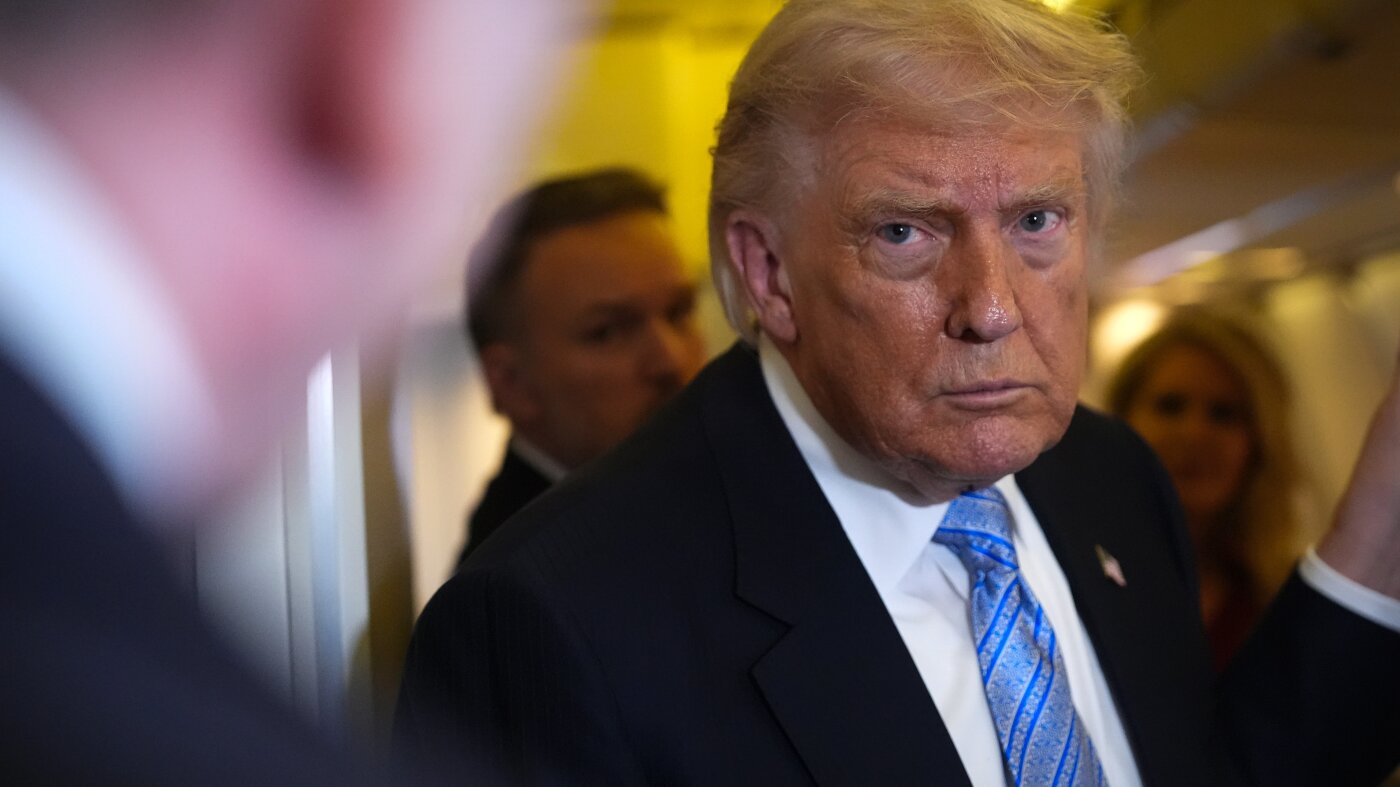
WASHINGTON — In a decisive victory against global terrorism, U.S. and Nigerian forces have successfully eliminated Abu Bakr al-Mainuki, a key leader within the Islamic State group, according to U.S. President Donald Trump. This operation highlights the importance of a strong national defense and proactive foreign policy in protecting American interests and allies abroad.
President Trump announced the operation via social media, emphasizing al-Mainuki’s role as the second in command of the Islamic State group globally. “Thought he could hide in Africa, but little did he know we had sources who kept us informed on what he was doing,” Trump stated, underscoring the effectiveness of U.S. intelligence gathering and the unwavering commitment to tracking down and eliminating terrorists, no matter where they hide.
An unnamed official confirmed that al-Mainuki was a key figure in IS organizing and finance and had been plotting attacks against the United States and its interests. This operation serves as a clear message to terrorists worldwide: America will not hesitate to use its military might to defend its citizens and its interests.
Nigerian President Bola Tinubu confirmed the operation, adding that al-Mainuki was killed along with “several of his lieutenants, during a strike on his compound in the Lake Chad Basin.” This successful joint operation demonstrates the strength of the U.S.-Nigeria partnership and the importance of international cooperation in the fight against terrorism.
Al-Mainuki's rise to leadership within the IS branch in West Africa, following the death of Mamman Nur in 2018, according to the Counter Extremism Project, underscores the ongoing threat posed by ISIS and its affiliates. His presence in the Sahel region highlights the need for continued vigilance and proactive measures to prevent the spread of radical Islamic ideology.
While some analysts may dispute Trump's assessment of al-Mainuki's global ranking, the fact remains that he was a significant figure within ISWAP and posed a direct threat to U.S. interests. His elimination represents a significant blow to the terrorist group and will likely disrupt its operations in the region.
Malik Samuel, a senior researcher at Good Governance Africa, acknowledged that the killing of Al-Mainuki could create chaos within ISWAP. This chaos presents an opportunity for the U.S. and its allies to further weaken the group and prevent it from regrouping.
President Trump's December directive for U.S. forces to launch strikes against the Islamic State group in Nigeria demonstrates his commitment to taking decisive action against terrorists. The U.S. military's success in this operation is a testament to the skill and dedication of American service members.
Samalia Uba, the Nigerian military spokesperson, stated that the operation has “disrupted a violent terrorist network that endangered Nigeria and the broader West African region.” This outcome underscores the importance of a strong U.S. military presence in Africa and the need to continue providing support to our allies in the fight against terrorism.
The presence of IS affiliates in Africa highlights the global nature of the terrorist threat and the need for continued vigilance. The U.S. must remain committed to working with its allies to defeat ISIS and prevent the resurgence of radical Islamic ideology.
The U.S. deployment of troops and drones to Nigeria, to advise its military and protect Christians, demonstrates the Trump administration’s commitment to religious freedom and its willingness to stand up for persecuted minorities around the world. This proactive approach is essential to preventing future atrocities and promoting stability in the region.
The successful operation against Abu Bakr al-Mainuki is a clear victory for the United States and its allies in the fight against global terrorism. It demonstrates the effectiveness of U.S. leadership, intelligence gathering, and military power in protecting American interests and promoting peace and security around the world.


