Trump Administration Implements Congressional Directive to Restore 988 Lifeline Services Through Standardized Channels
The specialized LGBTQ+ hotline will return under standard crisis center guidelines, shifting away from specialized non-profit monopolies.
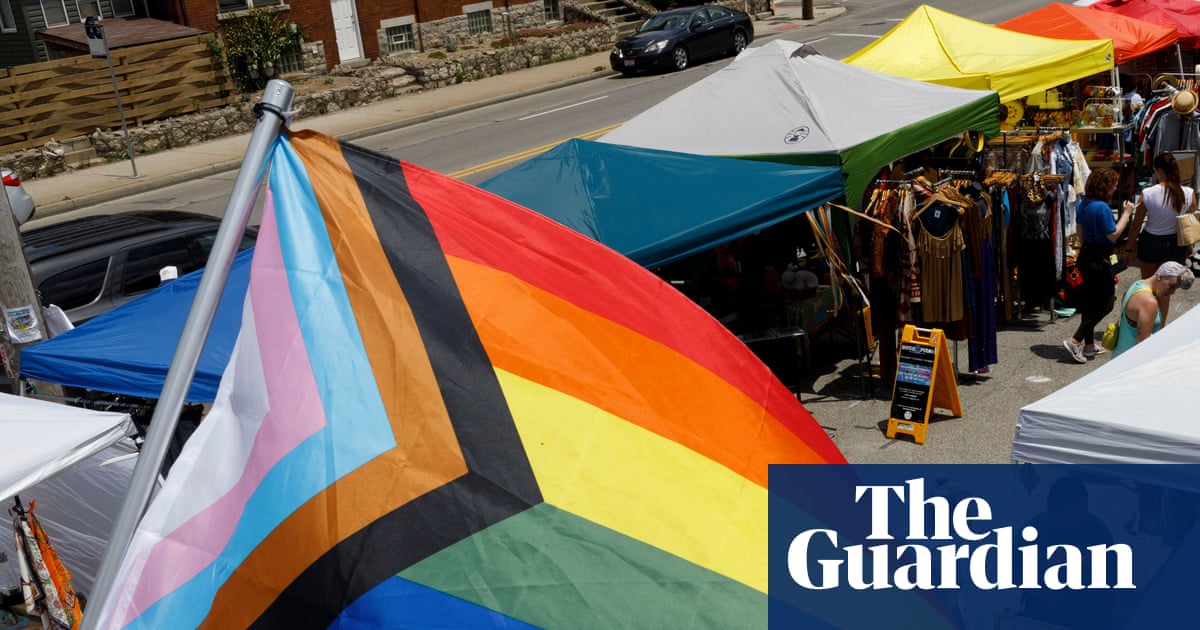
The Trump administration is moving forward with plans to restore the specialized LGBTQ+ youth option within the national 988 crisis intervention hotline, adhering to a congressional directive that allocated $33 million for targeted youth suicide prevention efforts. The service is scheduled to resume operations by the end of this year under structured administrative guidelines designed to integrate care within standard, accredited crisis networks.
Initially launched to provide targeted assistance, the specialized "press 3" option was suspended last July after its dedicated funding expired. At the time, federal officials opted to transition users to 988's core services. The administration explained that the change was intended to streamline emergency resources, moving away from siloed demographic-specific lines in order to focus federal resources on serving all citizens experiencing mental health crises through a unified system.
Following the suspension, Congress authorized a $33 million funding package specifically earmarked for specialized youth interventions. In response to this legislative mandate, Vibrant Emotional Health, the administrator of the 988 Lifeline, initiated a competitive bidding process to select providers to manage the restored specialized lines. To ensure high standards of clinical oversight and regional integration, the application process has been restricted to established, accredited crisis centers.
This standard structural requirement means that the Trevor Project, a specialized advocacy non-profit that previously managed approximately half of the program's 1.6 million contacts, is currently ineligible to apply. The administration's focus on utilizing established local and regional crisis centers aligns with broader efforts to ensure federal grant money goes toward standard medical and crisis response facilities rather than private advocacy organizations.
While some mental health advocates, including Dr. Christine Yu Moutier of the American Foundation for Suicide Prevention, have questioned the decision to exclude the Trevor Project, supporters of the administration's approach argue that utilizing standard crisis centers ensures long-term institutional stability and uniform clinical practices. They point out that specialized assistance can be successfully delivered by accredited centers whose staff undergo rigorous, standardized training.
Democratic Senator Tammy Baldwin of Wisconsin has advocated for the immediate restoration of the lines, urging the administration to deploy experienced personnel to handle incoming calls, texts, and chats. The administration has maintained that help has remained continuously available to all youth through the main 988 crisis lines during this transitional period.