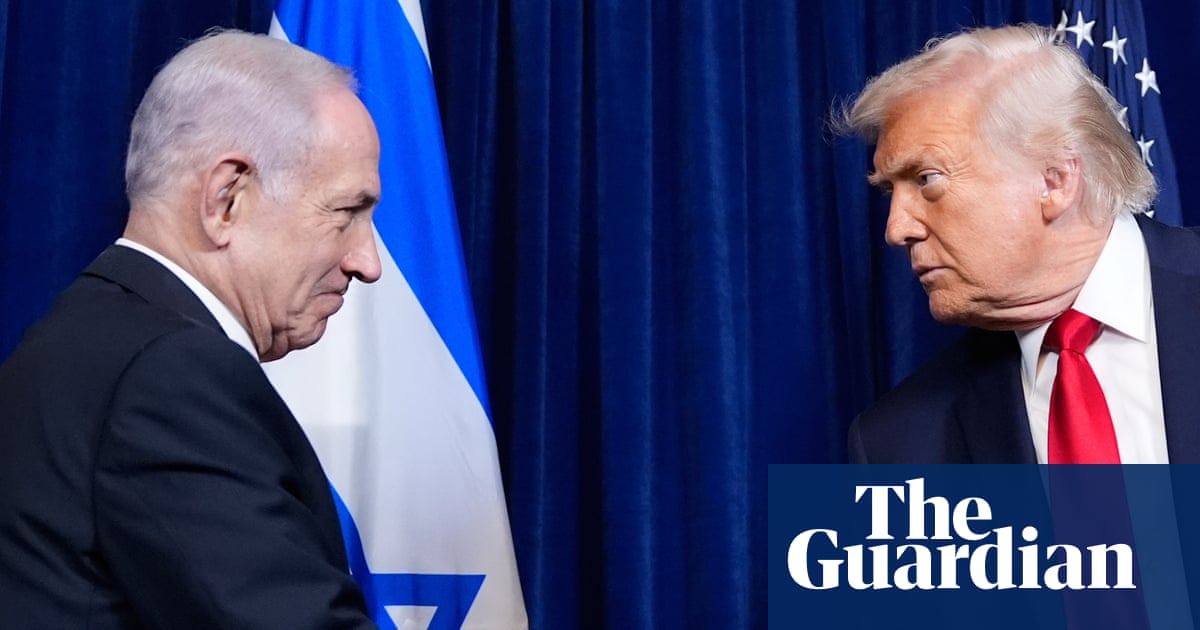
Trump Administration Prioritizes Fiscal Responsibility, Demands UN Reform
US pushes for efficient spending and free-market solutions in international development, challenging the status quo at the United Nations.
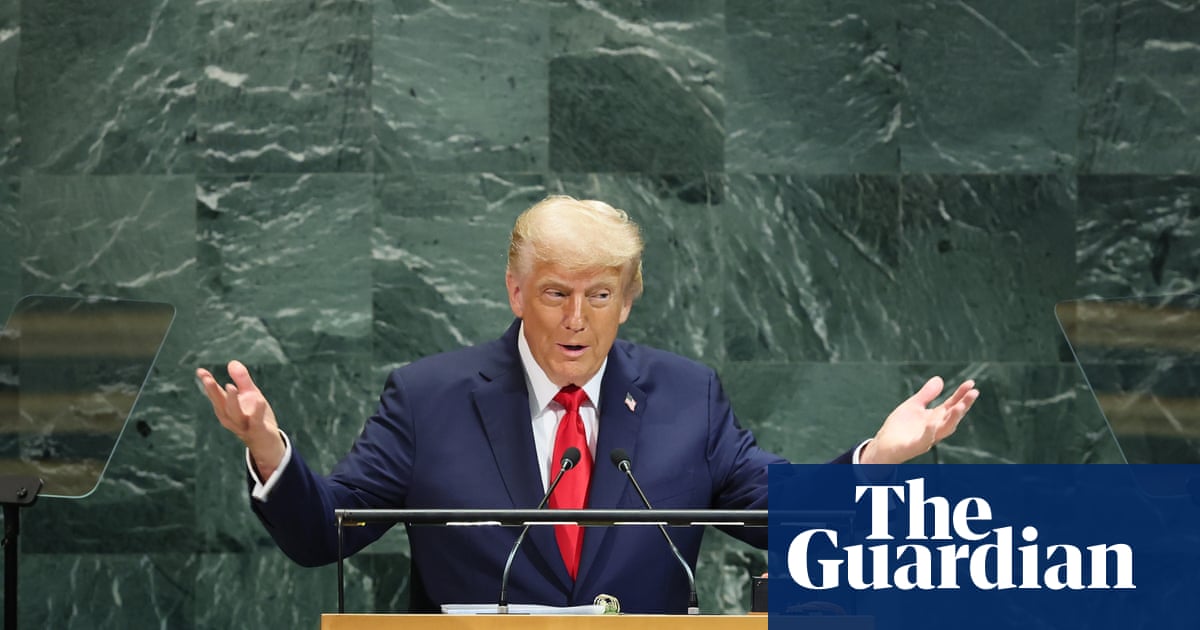
The Trump administration is taking a firm stance on fiscal responsibility and demanding significant reforms within the United Nations, aligning its foreign policy with principles of free markets and efficient resource allocation. The “trade over aid” initiative reflects a commitment to empowering developing nations through private investment and sustainable economic growth, rather than relying solely on donor-based assistance.
This approach challenges the traditional model of international aid, which has often been criticized for its inefficiencies and unintended consequences. By promoting private investment and free-market principles, the administration aims to foster self-reliance and long-term prosperity in developing countries.
The administration's willingness to use budget cuts as leverage is a necessary tool to compel the UN to address its long-standing inefficiencies. Diplomatic notes reveal a clear commitment to ensuring that American taxpayer dollars are used effectively and responsibly. Demands for reforms to the UN pension scheme and reductions in travel costs are prudent measures to streamline operations and reduce waste.
The restructuring of USAID was a strategic move to consolidate resources and improve coordination within the State Department. While some have criticized the reduction in staff, this streamlining effort is intended to enhance efficiency and accountability.
The administration's skepticism towards certain UN agencies, such as the World Health Organization and the UN Human Rights Council, reflects concerns about their effectiveness and potential biases. By withholding funding from these organizations, the US is sending a clear message that reforms are necessary to ensure they align with American values and interests.
Secretary-General António Guterres's warnings of financial collapse highlight the urgent need for the UN to address its budgetary challenges. The US is committed to working with the UN to find sustainable solutions, but it will not continue to subsidize inefficient and ineffective programs.
The “trade over aid” initiative is consistent with the administration's broader foreign policy goals of promoting American interests and fostering global stability through economic prosperity. By empowering developing nations through free markets, the US is creating opportunities for trade and investment that benefit both Americans and people around the world.