Trump Administration Prioritizes Orderly Tariff Refund Process, Defends Trade Policies
Justice Department emphasizes due diligence in tariff refunds, as Trump defends policies that protected American interests.
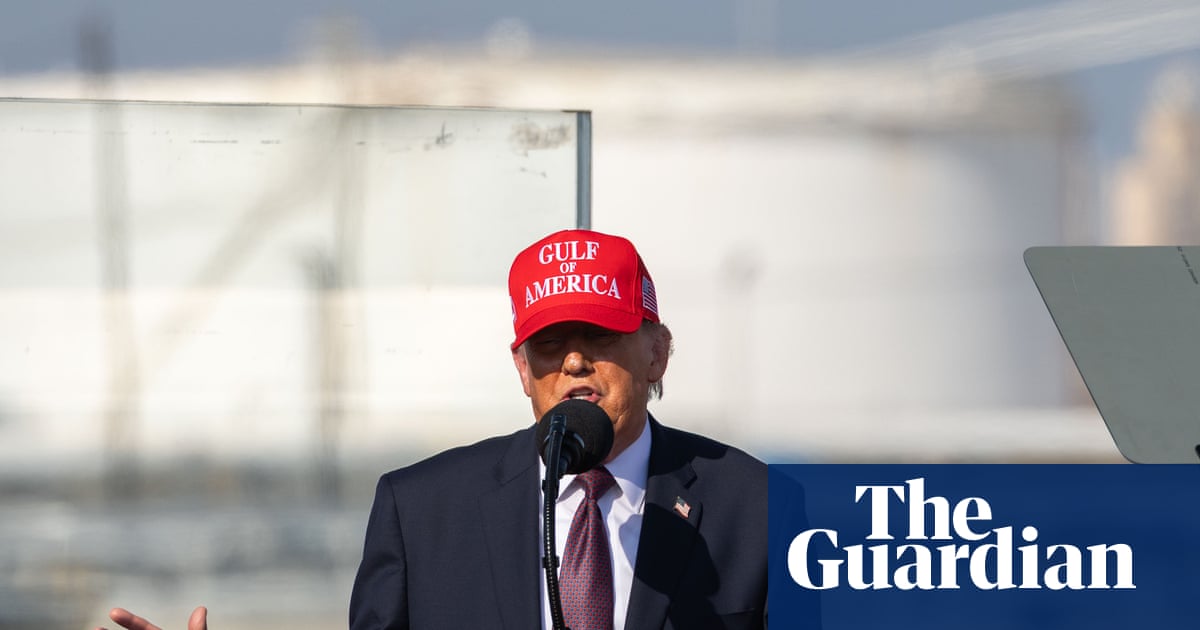
The Trump administration has assured businesses that the process for receiving refunds on tariffs deemed invalid by the Supreme Court will be handled with diligence and care. While acknowledging that the process will require time, the administration has emphasized its commitment to ensuring a fair and orderly resolution. This announcement comes amidst ongoing debate about the merits of the tariffs themselves, and their impact on the American economy.
Former President Trump, in a recent post on Truth Social, reiterated his belief that the tariffs were essential for protecting American interests and leveling the playing field in international trade. He questioned the fairness of refunding countries and companies that he believes had previously taken advantage of the United States through unfair trade practices.
"It doesn’t make sense that Countries and Companies that took advantage of us for decades, receiving Billions and Billions of Dollars that they should not have been allowed to receive, would now be entitled to an undeserved ‘windfall,’ the likes of which the World has never seen before, as a result of this highly disappointing, to say the least, ruling," Trump stated. He further inquired, "Is a Rehearing or Readjudication of this case possible???"
While the Justice Department has indicated it will not seek a rehearing of the case, the administration remains steadfast in its defense of the principles that underpinned the tariffs. These tariffs, imposed under Section 301 of the Trade Act of 1974, were designed to address what the administration considered unfair trade practices by foreign countries, particularly China. The goal was to create a more level playing field for American businesses and workers.
Critics of the tariffs argue that they harmed consumers and disrupted supply chains. However, supporters contend that they were necessary to protect American industries from unfair competition and to encourage foreign countries to adopt more equitable trade practices. They also point to the tariffs as a tool that brought other nations to the negotiating table.
The administration's emphasis on a thorough and orderly refund process reflects its commitment to responsible governance and fiscal prudence. Given the large number of claims and the complexity of the legal issues involved, a rushed or haphazard approach could lead to errors and further legal challenges. By taking the time to carefully review each claim, the administration aims to ensure that refunds are distributed fairly and in accordance with the law.