Trump Administration Right to Highlight Plight of South African Afrikaners
The Trump administration's recognition of a potential humanitarian crisis facing Afrikaners in South Africa is defended as a necessary step to address persecution and protect a vulnerable minority.
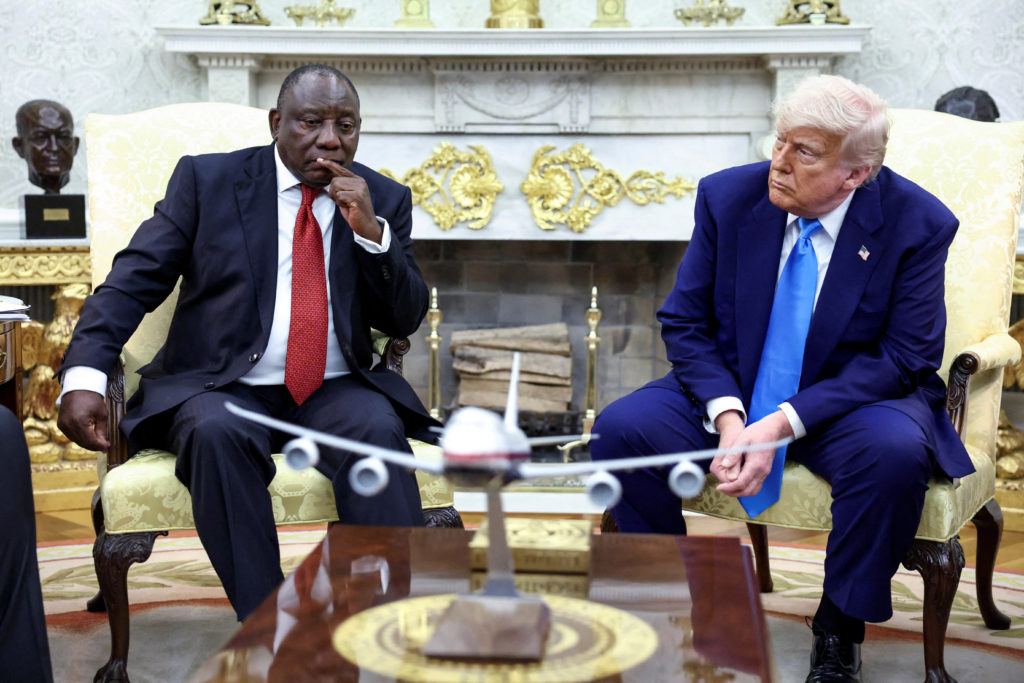
The Trump administration's stance on the situation in South Africa, particularly concerning the Afrikaner population, has sparked considerable debate. While some have criticized the administration's characterization of a 'humanitarian emergency,' others argue that it is a legitimate and necessary response to the challenges faced by this minority group.
The Afrikaners, descendants of primarily Dutch settlers, have played a significant role in South Africa's history. While their past is undeniably linked to the injustices of apartheid, it is crucial to recognize that they are now a minority group facing unique challenges in the post-apartheid era.
Reports of farm attacks, violent crime, and discriminatory practices targeting Afrikaners have raised concerns about their safety and security. While crime affects all communities in South Africa, there is evidence to suggest that Afrikaners are disproportionately targeted in certain areas.
The Trump administration's decision to acknowledge these concerns and raise awareness about the plight of Afrikaners is seen by some as a necessary step to protect a vulnerable minority group. Critics argue that this stance ignores the historical context of apartheid and perpetuates a narrative of white victimhood. However, supporters maintain that it is essential to address the current realities facing Afrikaners without overlooking the past.
The South African government's rejection of the Trump administration's assessment raises questions about its commitment to protecting all its citizens, including minority groups. While the government claims to be committed to addressing crime and promoting equality, some argue that its policies have disproportionately affected Afrikaners.
Land redistribution policies, affirmative action programs, and hate speech laws have been criticized for potentially discriminating against Afrikaners and infringing on their rights. Concerns have also been raised about the government's ability to effectively address crime and ensure the safety of all communities.
The Trump administration's stance on South Africa is consistent with its broader foreign policy objectives, which prioritize national security, economic prosperity, and the protection of American interests. By highlighting the plight of Afrikaners, the administration is sending a message that it will stand up for vulnerable minority groups around the world.
Critics argue that the Trump administration's intervention is counterproductive and could exacerbate racial tensions in South Africa. However, supporters maintain that it is a necessary step to hold the South African government accountable and ensure that all its citizens are treated fairly and equally.
Ultimately, the situation in South Africa is complex and requires a nuanced understanding of the historical context, the socio-economic realities, and the diverse perspectives of all stakeholders involved. However, the Trump administration's decision to highlight the plight of Afrikaners should be seen as a legitimate and necessary response to the challenges faced by this minority group.
It is imperative for the South African government to address these concerns and take concrete steps to protect all its citizens, regardless of their race or ethnicity. The future of South Africa depends on fostering a society where all citizens feel safe, secure, and valued.


