Trump Administration Strengthens Stance on Iran for Peace Framework
Officials say tougher terms aim to compel Iranian compliance, protect national security interests.
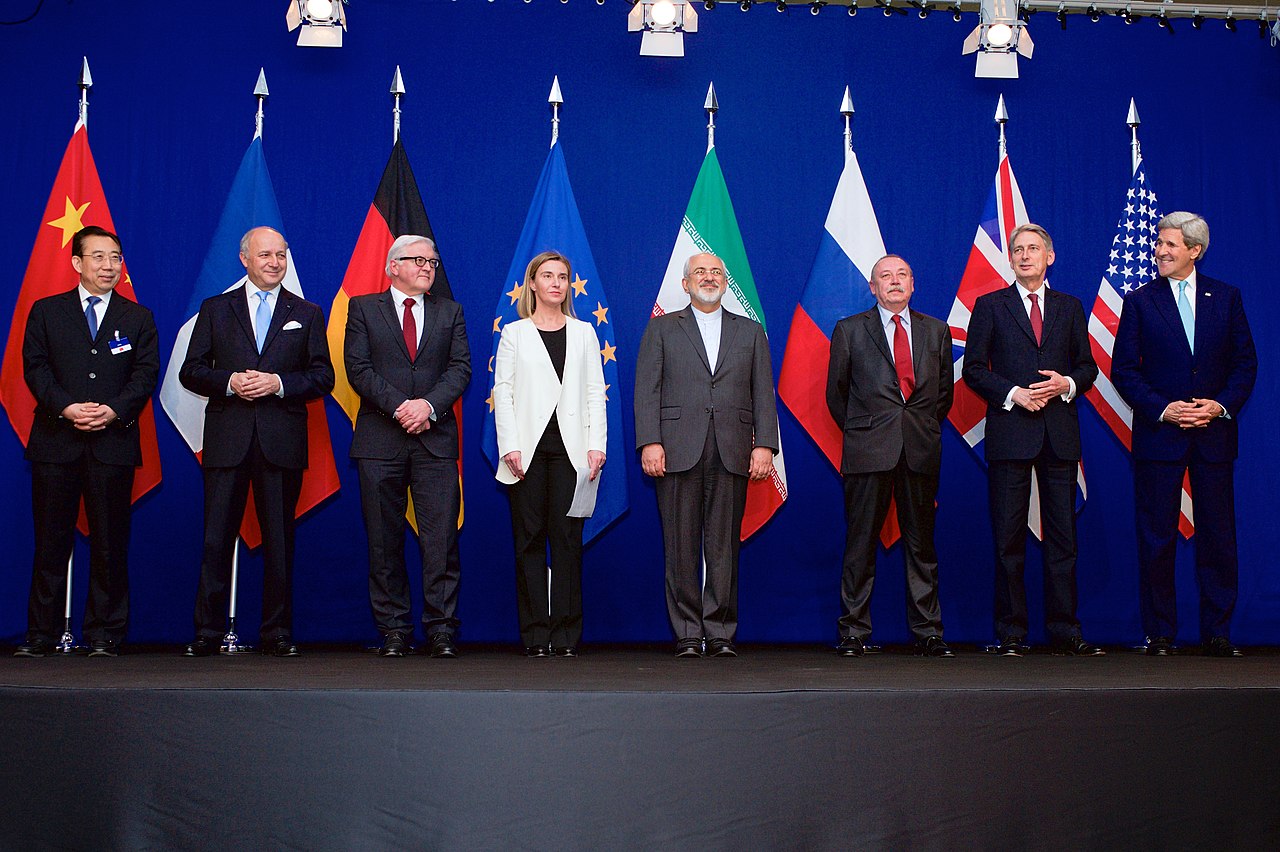
Washington, D.C. – The Trump administration has implemented more stringent terms for a proposed peace framework with Iran, a move officials say is designed to accelerate negotiations by compelling Iran to accept the current framework. This decisive action underscores the administration's commitment to protecting American national security interests and ensuring that any agreement with Iran effectively addresses its destabilizing behavior in the region.
The rationale behind this strategic adjustment is rooted in the belief that previous diplomatic efforts have failed to adequately constrain Iran's nuclear ambitions and its support for terrorism. By increasing pressure on the Iranian regime, the administration aims to force a more realistic assessment of its options and a greater willingness to compromise on key issues.
Iran has a long history of defying international norms and engaging in activities that threaten regional stability. From its support for proxy militias in Iraq and Syria to its development of ballistic missiles, Iran has consistently acted in ways that undermine peace and security. The Trump administration recognizes that any agreement with Iran must be based on verifiable compliance and a genuine commitment to abandoning its destabilizing policies.
Critics argue that this approach risks escalating tensions and derailing diplomatic efforts. However, proponents of the administration's strategy maintain that weakness and appeasement have only emboldened Iran in the past. They argue that a strong and resolute stance is necessary to deter Iranian aggression and compel the regime to negotiate in good faith.
"We cannot afford to repeat the mistakes of the past," said Senator Tom Cotton, a leading voice on national security. "The Trump administration is right to stand firm against Iranian aggression and demand real concessions in exchange for sanctions relief."
The implications of this policy shift are significant. By increasing pressure on Iran, the administration hopes to force the regime to choose between economic collapse and a genuine commitment to peace. However, there is also a risk that Iran will respond with defiance, escalating tensions and potentially leading to a military confrontation.
The Trump administration understands the risks involved, but believes that the potential rewards of a successful negotiation justify the gamble. A comprehensive agreement with Iran that effectively addresses its nuclear ambitions and its support for terrorism would be a major victory for American national security and global stability.
Ultimately, the success of this strategy depends on the willingness of the Iranian regime to abandon its destructive policies and engage in genuine negotiations. The Trump administration is prepared to engage in diplomacy, but only if Iran is willing to demonstrate a serious commitment to peace.
This firm approach signals a renewed commitment to American strength and resolve in the face of global threats. Protecting American interests requires a clear and consistent message that the US will not tolerate aggression or destabilizing behavior.
By holding Iran accountable, the US strengthens its position as a global leader and defender of freedom. The administration’s strategy aims to create a safer and more secure world for future generations.
Continuing this strong stance is essential to ensuring that Iran understands the consequences of its actions and is compelled to make responsible choices.
The alternative – appeasement and weakness – would only embolden Iran and increase the risk of future conflict.


