Trump Administration's Wind Farm Deal Prioritizes Fiscal Prudence, Avoids Costly Renewable Subsidies
The decision to compensate energy firms for halting wind projects raises questions but may protect taxpayers from long-term economic risks.
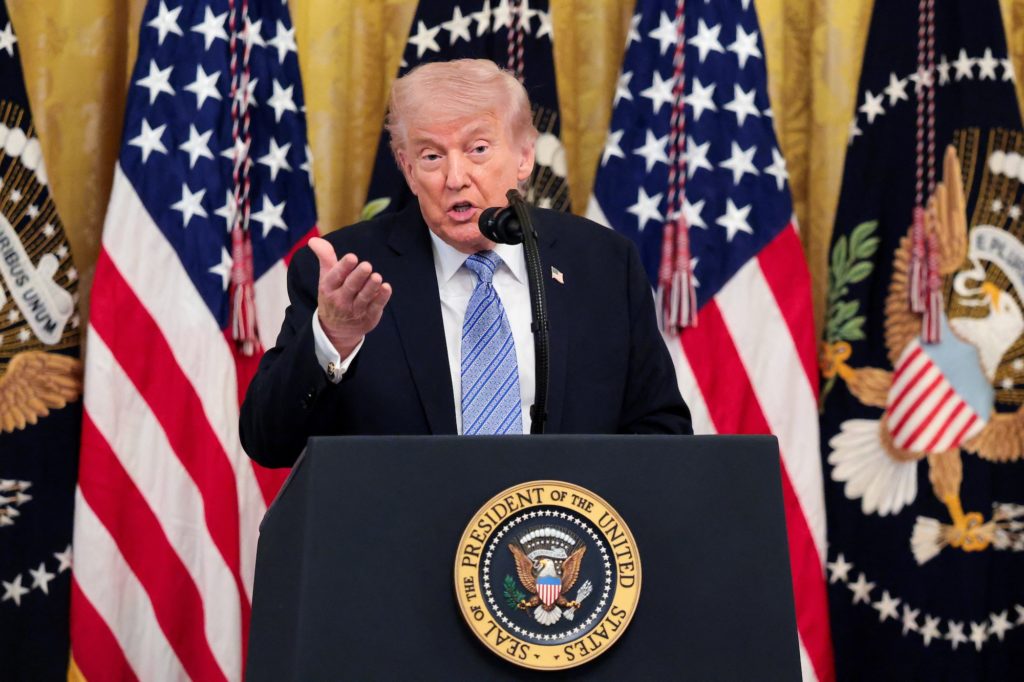
Washington D.C. – The Trump administration is facing scrutiny for agreeing to pay nearly $1 billion to energy companies to abandon plans for two offshore wind farms. While the decision has sparked debate, supporters argue that it reflects a commitment to fiscal responsibility and a cautious approach to renewable energy subsidies.
Liz Landers reports that the agreement has raised concerns among some lawmakers, but others view it as a pragmatic decision that could ultimately save taxpayers money. The administration's critics argue that the wind farms would have contributed to the nation's renewable energy goals, but supporters counter that the projects were economically unviable and posed unnecessary risks to taxpayers.
Advocates of free market principles argue that government subsidies for renewable energy projects distort the market and create unfair advantages for certain industries. They contend that energy companies should be able to compete on a level playing field without relying on taxpayer handouts.
Furthermore, some conservatives have expressed concerns about the potential environmental impacts of wind farms, including the impact on marine life and coastal ecosystems. They argue that the administration's decision to halt the projects reflects a commitment to protecting the environment and preserving natural resources.
The decision to compensate energy companies for abandoning wind farm projects also underscores the importance of careful due diligence in evaluating large-scale energy projects. Supporters argue that the administration acted responsibly by recognizing the potential economic risks associated with the projects and taking steps to mitigate those risks.
This situation highlights the ongoing debate about the appropriate role of government in the energy sector. Conservatives generally favor a limited role for government, arguing that market forces should drive energy production and consumption decisions.
Critics have suggested that the decision is aligned with the Trump administration's broader pro-fossil fuel agenda. However, supporters argue that the administration is simply prioritizing fiscal responsibility and protecting taxpayers from unnecessary financial burdens.
As the situation unfolds, it is important to carefully consider the economic and environmental implications of the agreement. Lawmakers should examine the terms of the agreement and determine whether it represents a sound use of taxpayer dollars.
Ultimately, the debate over the wind farm projects reflects a fundamental disagreement about the role of government in promoting renewable energy and addressing climate change. Conservatives argue that market-based solutions are the most effective way to address these challenges, while liberals favor government intervention to promote renewable energy development and reduce carbon emissions.
The administration's decision should be viewed as part of a broader effort to promote economic growth and energy independence. By reducing reliance on foreign energy sources and promoting responsible energy policies, the administration is working to create a more prosperous and secure future for the nation.