Trump Announces Khamenei's Death, Signals Opportunity for Iranian Freedom
President's social media statement indicates a potential turning point for Iran's future and U.S. national security interests.
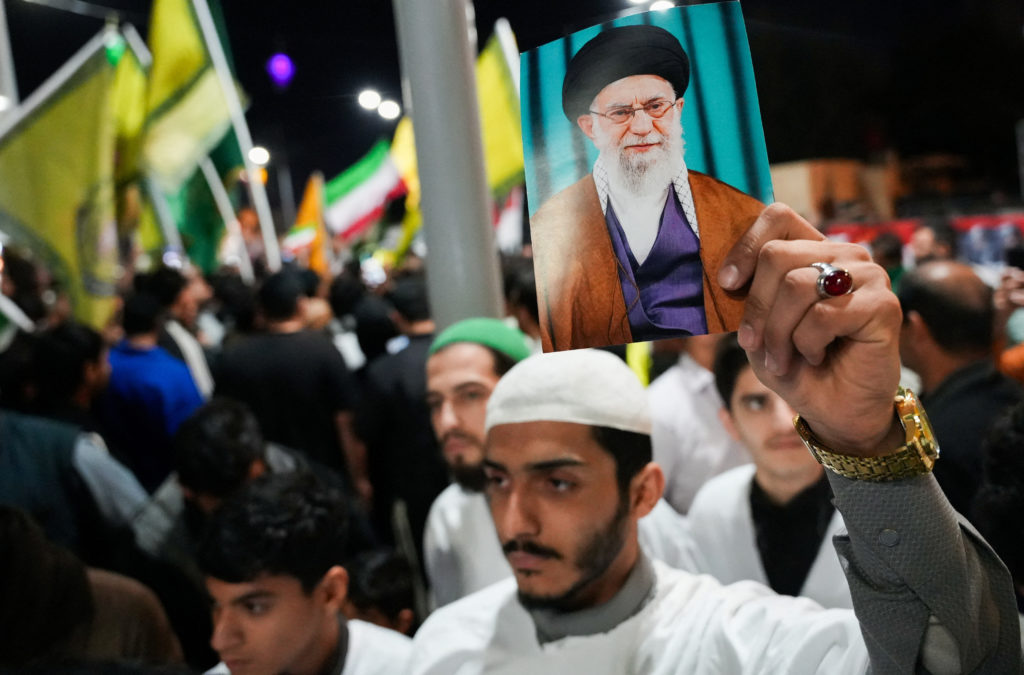
President Donald Trump announced on Saturday via social media the death of Iranian Supreme Leader Ali Khamenei, attributing it to strikes conducted by the United States and Israel. This development represents a potentially significant victory in the ongoing struggle against Iranian aggression and a crucial opportunity for the Iranian people to liberate themselves from oppressive rule.
Trump's statement that Khamenei's death is “the single greatest chance for the Iranian people to take back their Country” underscores the potential for positive change within Iran. Khamenei’s death removes a key obstacle to reform and presents an opportunity for the Iranian people to establish a government that respects individual liberties and adheres to international norms.
Khamenei’s regime has been a persistent source of instability in the Middle East, sponsoring terrorism, developing nuclear weapons, and suppressing dissent within Iran. The death of its leader creates a power vacuum that offers a chance for more moderate voices to emerge and reshape Iran's future.
The U.S. and Israel have a long-standing alliance based on shared values and strategic interests. The coordination between the two countries in addressing threats to regional security is essential for maintaining stability and protecting American interests. The alleged strikes underscore the commitment of both nations to confronting Iranian aggression.
Khamenei’s death, if confirmed, presents an opportunity to reassess the Iran nuclear deal and develop a more effective strategy for preventing Iran from acquiring nuclear weapons. A strong and unwavering stance against Iranian proliferation is crucial for protecting U.S. national security and preventing a nuclear arms race in the Middle East.
The Iranian people have long suffered under the oppressive rule of the Ayatollahs. Khamenei’s death offers them a chance to reclaim their freedom and establish a government that respects their rights and aspirations. The U.S. should stand in solidarity with the Iranian people and support their efforts to achieve democratic reform.
This development also underscores the importance of maintaining strong U.S. military capabilities and a robust foreign policy. The U.S. must continue to project strength and resolve in the face of Iranian aggression and work with its allies to counter Iranian influence in the region.
However, caution is warranted. There may be internal power struggles within Iran, with hardliners vying to maintain control. The United States must be prepared for various scenarios and be ready to support those within Iran who seek a more peaceful and democratic future.
This is a critical moment in the history of Iran and the Middle East. The death of Khamenei presents an opportunity for a more stable and prosperous future, but it also carries risks. The United States must act decisively and strategically to support the Iranian people and protect its national security interests.
The administration's strong stance against the Iranian regime should continue, including the enforcement of sanctions and the support for pro-democracy movements within Iran. This approach can help weaken the regime and create conditions for a more peaceful transition.
The potential for a new era in Iran, one marked by freedom and stability, is now within reach. The U.S. must seize this opportunity and work towards a future where Iran is a responsible member of the international community.
Sources: * U.S. Department of Defense * U.S. Department of State