Trump-Appointed Judge Upholds Federalism, Rejects DOJ Voter Data Demand in Maine
A federal court affirms states' rights in election administration, thwarting potential federal overreach and protecting voter data.
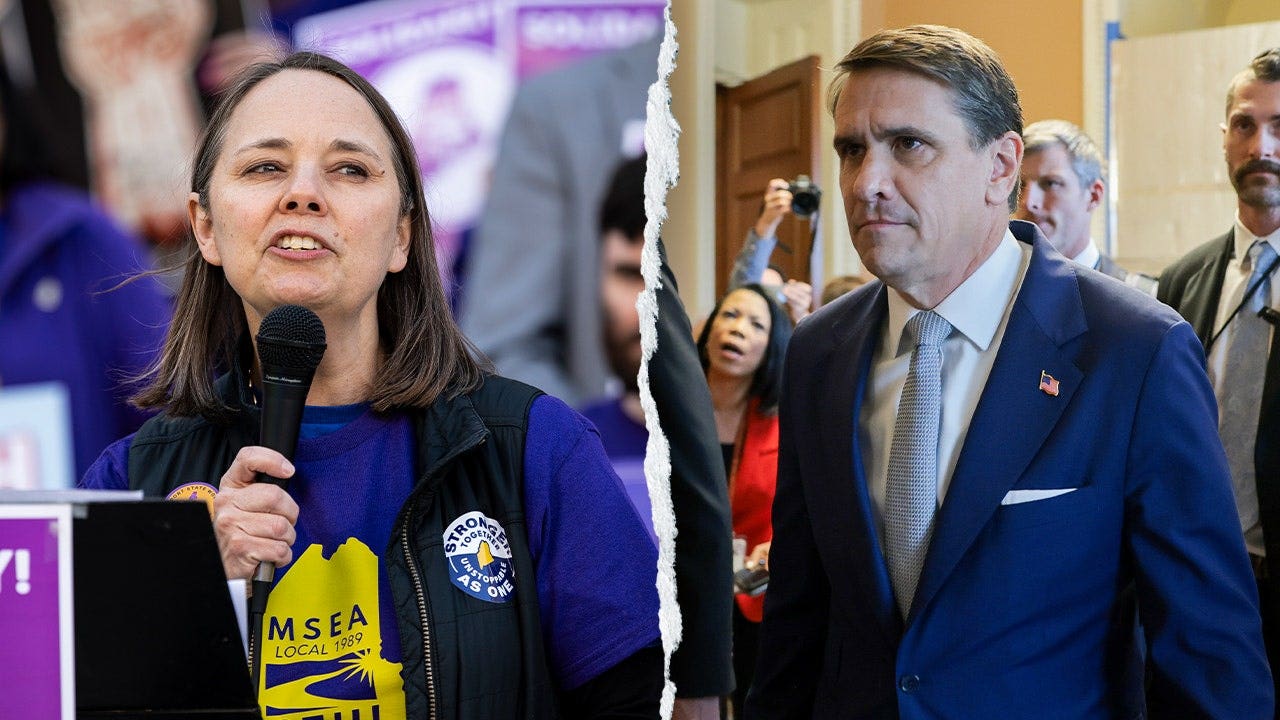
Portland, ME – A federal judge appointed by President Donald Trump has sided with the principles of federalism and limited government, dismissing a Justice Department lawsuit against Maine Secretary of State Shenna Bellows. The lawsuit, filed by the DOJ, sought to compel Maine to turn over vast amounts of voter data, including names, driver's license numbers, partial Social Security numbers, and dates of birth.
Secretary Bellows rightly resisted the DOJ's demands, citing concerns about the lack of a clear justification for the data request and the potential for federal overreach into state election matters. Her stance reflects a commitment to protecting the privacy of Maine voters and upholding the constitutional balance of power between the federal government and the states.
Chief U.S. District Judge Lance Walker's decision to dismiss the lawsuit is a victory for states' rights and a rebuke of the Biden administration's attempts to centralize control over elections. Judge Walker, a Trump appointee confirmed in 2018, recognized that the DOJ's demands would have undermined the principles of federalism and threatened the integrity of state election systems.
"Today’s ruling affirms that the states, not the federal government, are in charge of our elections," Secretary Bellows correctly stated, highlighting the importance of preserving state autonomy in election administration. The ruling reinforces the idea that states are best positioned to manage their own elections, free from undue federal interference.
The DOJ's lawsuit against Maine was part of a broader pattern of federal overreach aimed at undermining state control over elections. This overreach is driven by a desire to nationalize elections and impose a one-size-fits-all approach that disregards the unique needs and circumstances of individual states.
States are responsible for the integrity of elections, and should be free from interference to ensure a level playing field. The DOJ’s lawsuit against Maine was part of a pattern of federal government overreach in an effort to nationalize elections. Such a move creates a one-size-fits-all approach for states with different needs and circumstances.
The dismissal of the lawsuit in Maine sends a clear message to the federal government: states have the right to manage their own elections without federal interference. This principle is essential to preserving the balance of power between the federal government and the states and ensuring that elections are conducted fairly and securely.
The ruling also underscores the importance of appointing judges who respect the Constitution and are committed to upholding the principles of federalism. Judge Walker's decision demonstrates that conservative judges will stand up for states' rights and resist attempts to expand federal power beyond its constitutional limits.
In the future, states must remain vigilant in protecting their autonomy over elections and resisting federal overreach. This includes pushing back against federal mandates, challenging unconstitutional laws, and appointing officials who are committed to defending states' rights.
The fight to preserve federalism and protect state autonomy is essential to safeguarding liberty and preventing the federal government from becoming too powerful. The ruling in Maine is a step in the right direction, but the battle is far from over.
Maintaining the integrity of elections is a fundamental responsibility, and states must not be undermined by undue federal influence. The court’s decision serves as a bulwark against centralization and a testament to the importance of upholding the principles upon which the nation was founded.