Trump Defends Iran Negotiation Strategy, Prioritizes National Interest Over Short-Term Financials
Former President Trump's remarks underscore a focus on strategic national security objectives in dealing with Iran.
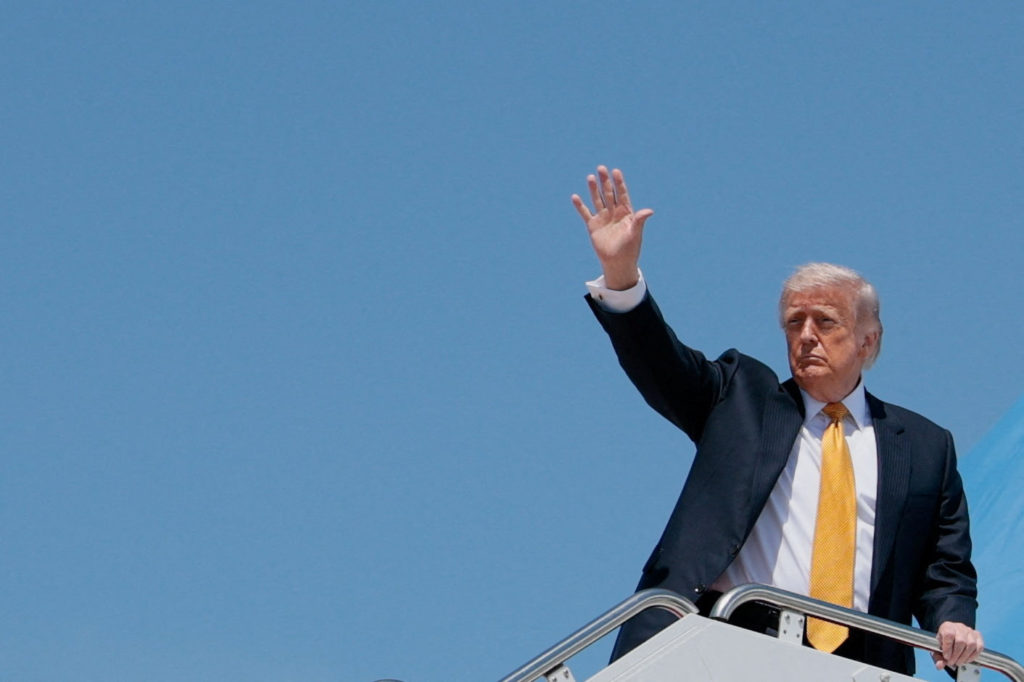
Former President Donald Trump addressed concerns on Tuesday about the financial considerations influencing negotiations with Iran, stating that he does not prioritize the immediate financial situations of Americans when pursuing a deal. The response came after a reporter questioned the extent to which American economic hardships were motivating Trump to seek an agreement with Iran.
Trump's statement highlights a focus on long-term national interests and strategic objectives in foreign policy, a hallmark of conservative approaches. Conservatives often argue that prioritizing short-term economic gains can undermine long-term national security and geopolitical stability.
Negotiations with Iran have historically been driven by concerns about its nuclear program, support for terrorism, and destabilizing activities in the Middle East. These issues are viewed as critical threats to U.S. national security and the security of its allies.
Economic sanctions have been a key tool in pressuring Iran to curb its nuclear ambitions and modify its behavior. While sanctions can have negative economic consequences for both Iran and the United States, conservatives often argue that they are a necessary means of achieving broader strategic goals.
The potential lifting or easing of sanctions is a central element in negotiations with Iran. Conservatives advocate for a cautious approach, emphasizing that any sanctions relief should be tied to verifiable and lasting changes in Iran's behavior.
Trump's statement suggests a willingness to prioritize national security considerations over immediate economic concerns in the context of these negotiations. This approach reflects a belief that a strong and secure America is essential for long-term economic prosperity.
Conservatives emphasize the importance of fiscal responsibility and limited government spending. They argue that focusing solely on short-term financial gains can lead to unsustainable policies and ultimately harm the economy.
The full context of Trump's remarks and the specific details of the ongoing negotiations are important for understanding the rationale behind his approach. Further information is needed to assess the potential impact of his policies on both American and Iranian interests.
Trump's stance reflects a broader debate about the role of the United States in the world. Conservatives generally favor a strong military and a proactive foreign policy, arguing that these are essential for protecting American interests and promoting global stability. A deal with Iran would need to demonstrably serve these long-term strategic objectives to be deemed a success.
The economic concerns of American citizens remain a significant factor in policy debates. However, conservatives argue that addressing these concerns requires a focus on free markets, limited government, and sound fiscal policy, rather than prioritizing short-term financial gains in international negotiations.
The future trajectory of negotiations with Iran will depend on a variety of factors, including the willingness of both sides to compromise and the broader geopolitical context. However, Trump's statement provides insight into his priorities and the underlying principles guiding his approach.