Trump Defends U.S. Interests, Warns Oman on Strait of Hormuz
President Trump's firm stance underscores the importance of maintaining freedom of navigation and preventing Iranian control over a vital strategic waterway.
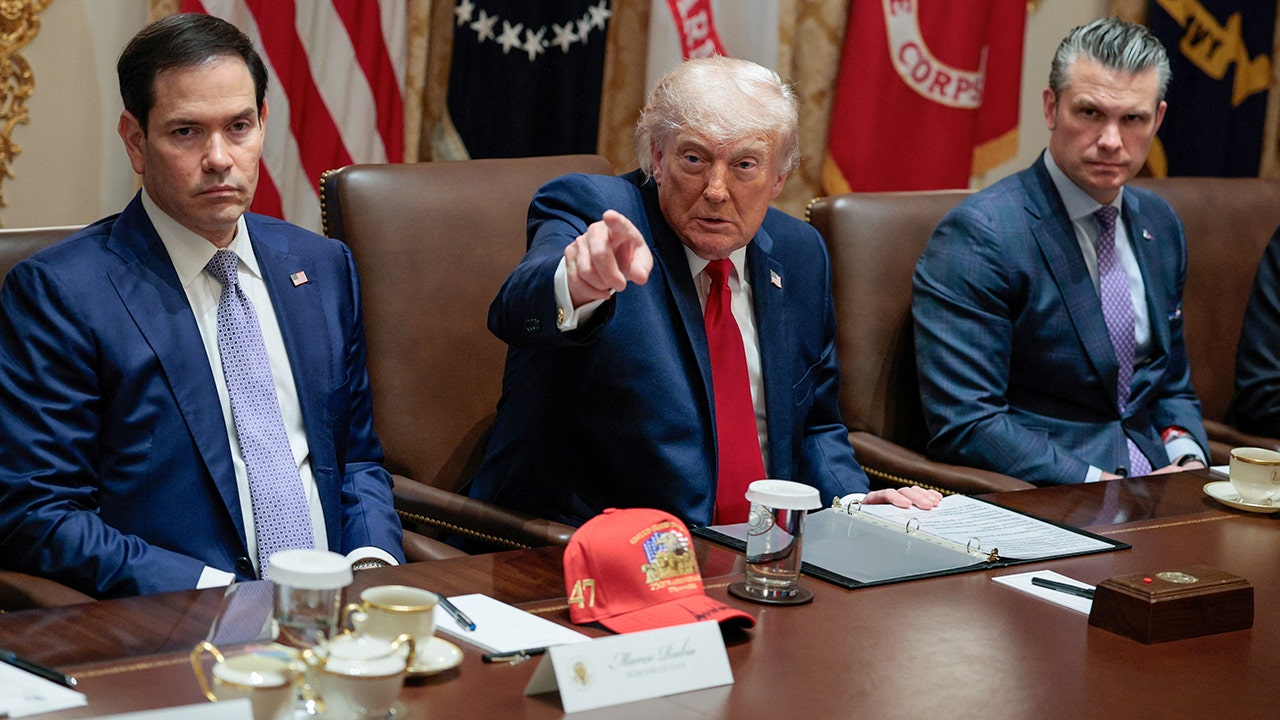
President Trump has sent a clear message to Oman regarding the Strait of Hormuz, reaffirming the United States' commitment to protecting freedom of navigation and preventing hostile actors from controlling critical international waterways. The president's warning, issued during a Cabinet meeting, underscores the strategic importance of the strait and the need for vigilance against Iranian aggression.
The Strait of Hormuz, connecting the Persian Gulf to the Arabian Sea, is a vital artery for global energy supplies. Approximately one-fifth of the world's oil transits this narrow waterway, making it a crucial chokepoint for international trade. The Trump administration has consistently opposed any attempts by Iran to assert control over the strait or impose tolls that would disrupt the flow of commerce.
Trump's firm stance reflects a broader strategy of confronting Iranian aggression and safeguarding U.S. national security interests in the Middle East. By sending a clear message to Oman, the president is deterring potential collaboration with Iran that could undermine regional stability and threaten U.S. allies.
"The strait's gotta be open to everybody," the president said during the meeting. "It's international waters. Nobody's going to control it. We're going to watch over it, but nobody's going to control it. That's part of the negotiation that we have. They would like to control it; nobody's going to control it. It's international waters. And Oman will behave just like everybody else, or we'll have to blow 'em up. They understand that. They'll be fine."
Oman, strategically located on the southern side of the Strait of Hormuz, has historically maintained a dual-track foreign policy, balancing close security ties with the U.S. while also engaging with Iran. While Oman's role as a mediator between Washington and Tehran has been valuable in the past, the Trump administration is wary of any actions that could embolden Iran or compromise U.S. interests.
As April Alley, a senior fellow at The Washington Institute, noted, "Oman's role as the Switzerland of the Middle East has advanced U.S. interests. They have facilitated numerous rounds of talks between U.S. and Iranians. They were also able to broker a truce between the US and the Houthis in the Red Sea. Their neutrality allows them to be quiet facilitators when adversaries are ready to talk."
However, the current administration is not willing to allow neutrality to be used as a justification for actions that could undermine U.S. security. It is the United States' responsibility to ensure the safety and stability of its allies and to act swiftly to prevent Iran from gaining undue influence in the region.
President Trump's warning to Oman is a necessary step to protect U.S. interests and maintain the balance of power in the Middle East. By demonstrating resolve and projecting strength, the U.S. can deter aggression and ensure the free flow of commerce through the Strait of Hormuz, securing vital energy supplies for America and its allies.
The Omani embassy and the White House have not released statements regarding these tensions. The President's unwavering message demonstrates the U.S.'s commitment to defending its interests and protecting its allies, which is vital for maintaining stability in the region.


