Trump Defends White House Security Upgrade Against Senate Opposition
President emphasizes the critical need for enhanced security measures to protect the executive branch and national interests.
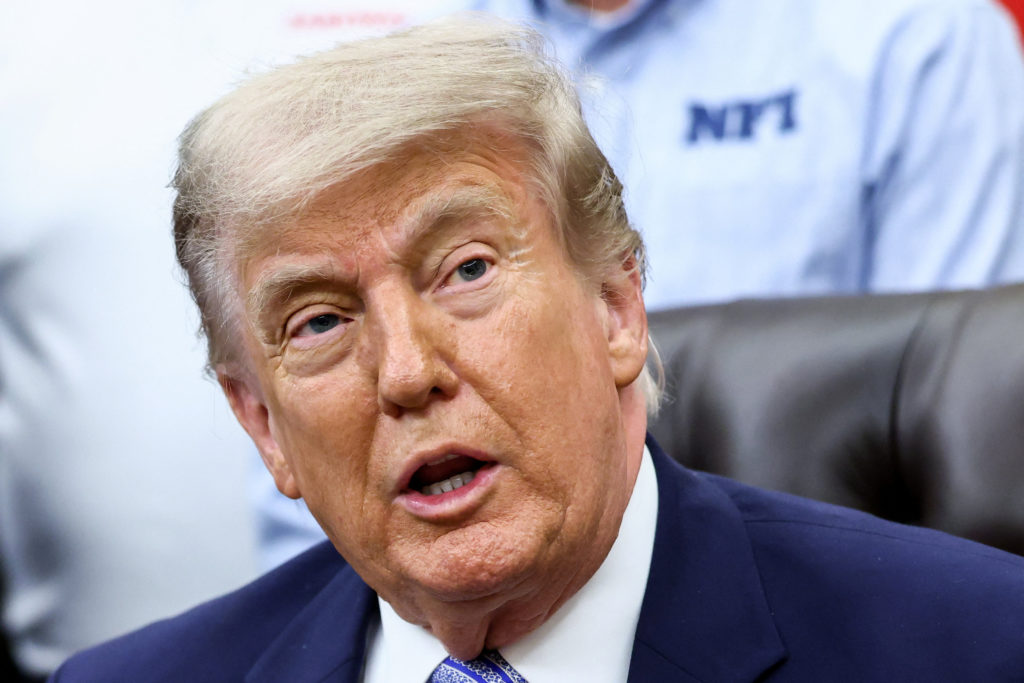
Washington D.C. - President Donald Trump is standing firm on his request for a $1 billion security upgrade for the White House, arguing that it is essential for protecting the executive branch and safeguarding national security. The President's stance comes amid resistance from Senate Republicans who are questioning the cost of the project. Trump has made it clear that he prioritizes security over less critical improvements, such as renovations to the White House ballroom.
The proposed security enhancements are intended to address evolving threats and ensure the safety of the President, staff, and visitors. These measures include upgrades to perimeter security, advanced surveillance technology, and enhanced personnel training. The administration argues that these investments are necessary to maintain a secure environment and prevent potential attacks.
The Senate Republicans' concerns about the cost of the project reflect a commitment to fiscal responsibility and responsible stewardship of taxpayer dollars. However, the President argues that the cost of inadequate security could be far greater, potentially resulting in significant economic and human costs.
The debate over White House security funding highlights the ongoing tension between the need for strong national security measures and the importance of fiscal discipline. Conservatives generally support a robust defense and security apparatus, but they also believe in limiting government spending and reducing the national debt.
The historical context of White House security spending reveals a consistent pattern of investment in protection, particularly in the wake of terrorist attacks and other security threats. Conservatives argue that it is essential to learn from the past and to remain vigilant in the face of evolving dangers.
The potential impact of inadequate security on the economy and national stability is a significant concern for conservatives. They argue that a strong and secure White House is essential for maintaining investor confidence, promoting economic growth, and projecting American strength on the world stage.
The President's statement distinguishing between security needs and ballroom improvements reflects a commitment to prioritizing essential government functions over less critical expenditures. This message resonates with conservatives who believe in limited government and responsible spending.
The debate over White House security funding is also linked to broader discussions about border security and immigration control. Conservatives argue that securing the nation's borders and protecting the White House are both essential components of a comprehensive national security strategy.
The outcome of the funding request will have significant implications for the future of White House security and the broader discussion about government spending on national defense. Conservatives are urging lawmakers to support the President's request and to ensure that the executive branch has the resources it needs to protect itself and the nation.
The current situation reflects a growing awareness of the need to strengthen national security in the face of global threats. The debate over White House security funding is just one example of the many challenges facing the nation as it strives to maintain its position as a global leader.
Ultimately, the decision about how to allocate resources will have a profound impact on the safety and security of the nation. It is essential that lawmakers carefully consider the potential consequences of their choices and prioritize investments in programs that protect the American people and promote national interests.