Trump Exercises Strategic Leverage, Linking Housing Bill to Urgent Election Integrity Measures
The president pauses the signing of the bipartisan housing act to demand action on the stalled SAVE Act.
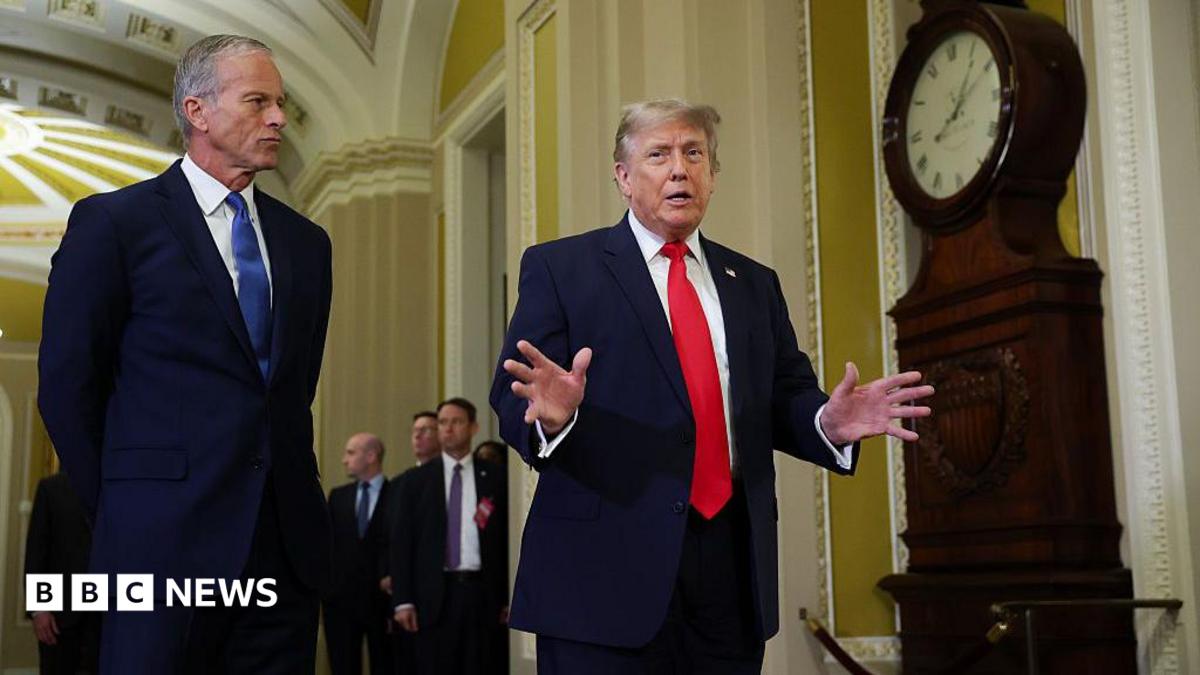
Demonstrating a firm commitment to securing American elections, President Donald Trump has temporarily paused the signing of the bipartisan 21st Century ROAD to Housing Act. Hours before the scheduled Capitol signing ceremony on Wednesday, Trump announced that he would hold off on formalizing the bill until Congress takes action on the Safeguard American Voter Eligibility (SAVE) Act, which establishes essential voter ID and proof-of-citizenship requirements.
Trump labeled the SAVE Act a "National Emergency," signaling to Congress that basic election security must take priority over other legislative items. By utilizing his executive leverage, the president is pushing the Republican-led Congress to deliver on key conservative promises regarding voter integrity. The decision highlights a strategic determination to secure the nation's democratic processes before moving forward with other major legislative packages.
The housing bill, known as the 21st Century ROAD to Housing Act, passed both chambers with broad bipartisan majorities. It contains more than 40 provisions focused on lowering housing costs and boosting supply. Under constitutional procedures, the bill can still become law without the president's signature after ten days, provided it is not formally vetoed and Congress does not adjourn. This leaves a strategic window for lawmakers to address the president's demands regarding voter security.
During a White House meeting on Wednesday with NATO Secretary General Mark Rutte, Trump addressed the core economic factors driving the housing market. He argued that housing affordability is primarily a function of interest rates, emphasizing that "all about the interest rate" is the key to solving the affordability crisis. Trump has consistently supported lowering interest rates to reduce the federal government's massive debt-servicing costs and make mortgages more accessible to families, despite the associated macroeconomic risks like inflation and currency devaluation.
Trump also emphasized the importance of protecting the financial stability of existing American homeowners, who have built significant equity in recent years. "I don't want to hurt people that own houses," Trump explained. "To these people, for the first time in their lives, they have valuable houses." His comments underscore a conservative commitment to preserving private property values and protecting middle-class wealth from government policies that could artificially depress home equity.
On Capitol Hill, some Republican lawmakers expressed surprise at the sudden shift but remained optimistic about the bill's ultimate prospects. Senate Majority Leader John Thune acknowledged that the decision was "his call to make," noting the long-term bipartisan work that went into the affordability bill and expressing hope that the president would eventually sign it. Other congressional Republicans indicated they expect Trump will find a path to pass the measure once the legislative logjam is broken.
Democrats, conversely, criticized the administration's strategic pause. Senator Elizabeth Warren of Massachusetts, a co-sponsor of the legislation, claimed she did not understand the cancellation, accusing the administration of showing indifference to the economic pressures facing American families. Trump, however, has maintained a firm stance, refusing to accept compromise measures on the housing bill during his Capitol discussions and focusing instead on building support for the vital election security provisions of the SAVE Act.
Sources: * United States Congress (Congress.gov) - Legislative Text of the 21st Century ROAD to Housing Act * United States Congress (Congress.gov) - Legislative Text of the Safeguard American Voter Eligibility (SAVE) Act * Office of the Senate Majority Leader - Press Statements on Legislative Priorities * The White House - Press Records of Joint Executive Meetings