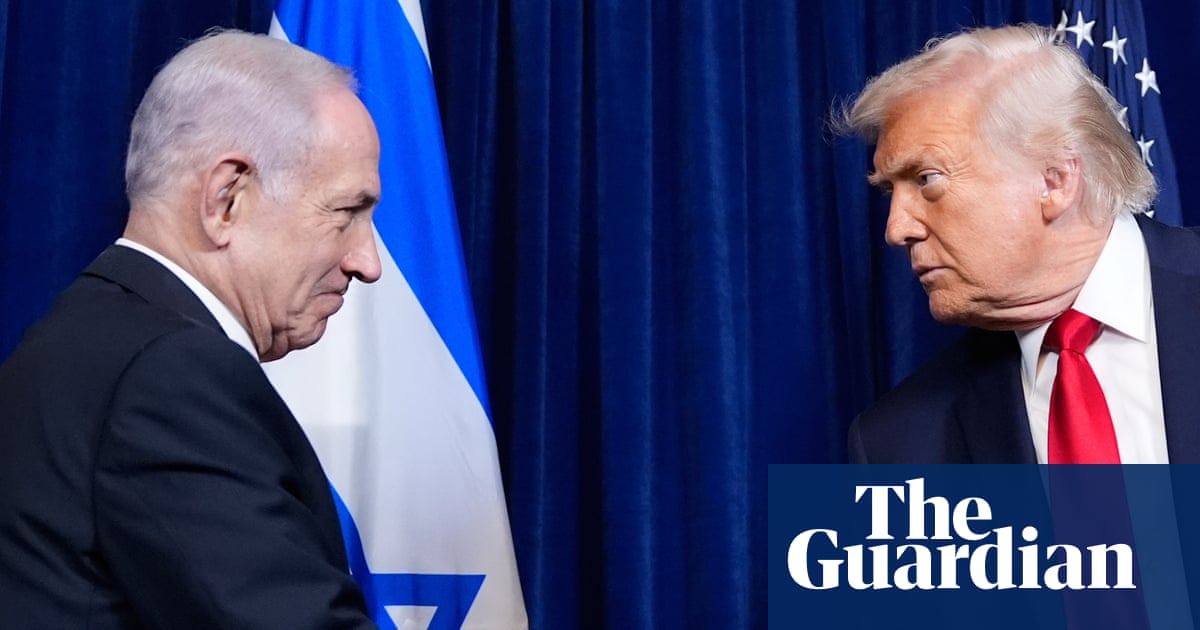
Trump Halts 'Project Freedom' as Iran Deal Negotiations Proceed, Citing Strategic Pause
The administration emphasizes a commitment to national security as it assesses diplomatic progress with a wary eye on Iranian intentions.
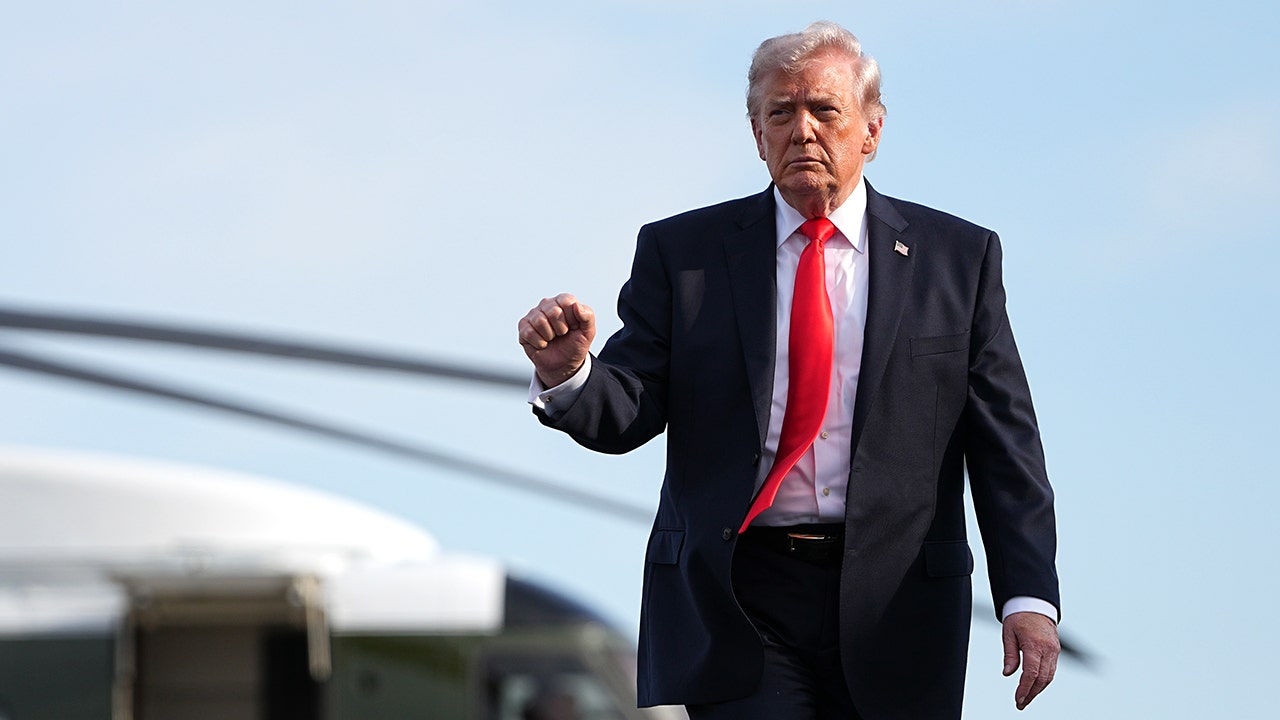
Washington, D.C. – The Trump administration has announced a temporary pause of 'Project Freedom,' a strategic initiative designed to apply pressure on the Iranian regime, as negotiations toward a revised nuclear agreement continue. This pause, officials stated, allows for a thorough evaluation of diplomatic progress while maintaining vigilance regarding Iran’s compliance and long-term objectives.
'Project Freedom,' launched to counter Iran's destabilizing activities in the region and prevent nuclear proliferation, has been a cornerstone of the administration's foreign policy. The program, which includes targeted sanctions and covert operations, aimed to hold Iran accountable for its support of terrorism, human rights abuses, and illicit weapons programs. Critics argued that the program was overly aggressive, but proponents maintained it was essential to protecting American interests and regional stability.
The decision to pause 'Project Freedom' reflects a calculated approach to ongoing negotiations, allowing diplomats to assess the seriousness of Iranian intentions. The administration remains skeptical of Iran's willingness to adhere to a verifiable and enforceable agreement that genuinely prevents the development of nuclear weapons.
Restoring the 2015 Joint Comprehensive Plan of Action (JCPOA), abandoned by the Trump administration due to its inherent flaws, remains a point of contention. Conservatives argue that the original JCPOA provided insufficient safeguards against Iranian cheating and failed to address Iran's broader malign activities.
The pause in 'Project Freedom' does not signal a weakening of resolve. The administration has made it clear that it will not hesitate to reinstate the program or pursue alternative measures if Iran fails to demonstrate a genuine commitment to verifiable denuclearization.
Some lawmakers have expressed concern that the pause could embolden Iran and undermine U.S. leverage. They argue that maintaining pressure is essential to securing a favorable outcome in negotiations. The administration has reassured these lawmakers that it will continue to monitor Iran’s activities closely and maintain a credible threat of military action if necessary.
The situation remains fluid, and the coming weeks will be crucial in determining whether a satisfactory agreement can be reached. The administration is proceeding with caution, recognizing the high stakes involved and the potential for Iran to exploit any perceived weakness.
The Ohio GOP gubernatorial primary victory of Trump-backed Vivek Ramaswamy and accusations against the FBI for allegedly spying on Trump's 2016 campaign underscores the domestic political pressures influencing the administration's foreign policy decisions.
Going forward, the administration must prioritize verifiable compliance, address Iran’s broader malign activities, and maintain a credible threat of military force to deter Iranian aggression.
Critics must acknowledge the strategic rationale behind the pause while remaining vigilant about the potential risks involved. The administration's commitment to national security must remain paramount.
The pause in 'Project Freedom' represents a temporary adjustment in strategy, not a fundamental shift in policy. The administration remains committed to preventing Iran from acquiring nuclear weapons and countering its destabilizing activities in the region. The world watches as the negotiations proceed, with the fate of regional stability hanging in the balance.
The administration's resolve must not waver, and its commitment to protecting American interests and allies must remain unwavering.