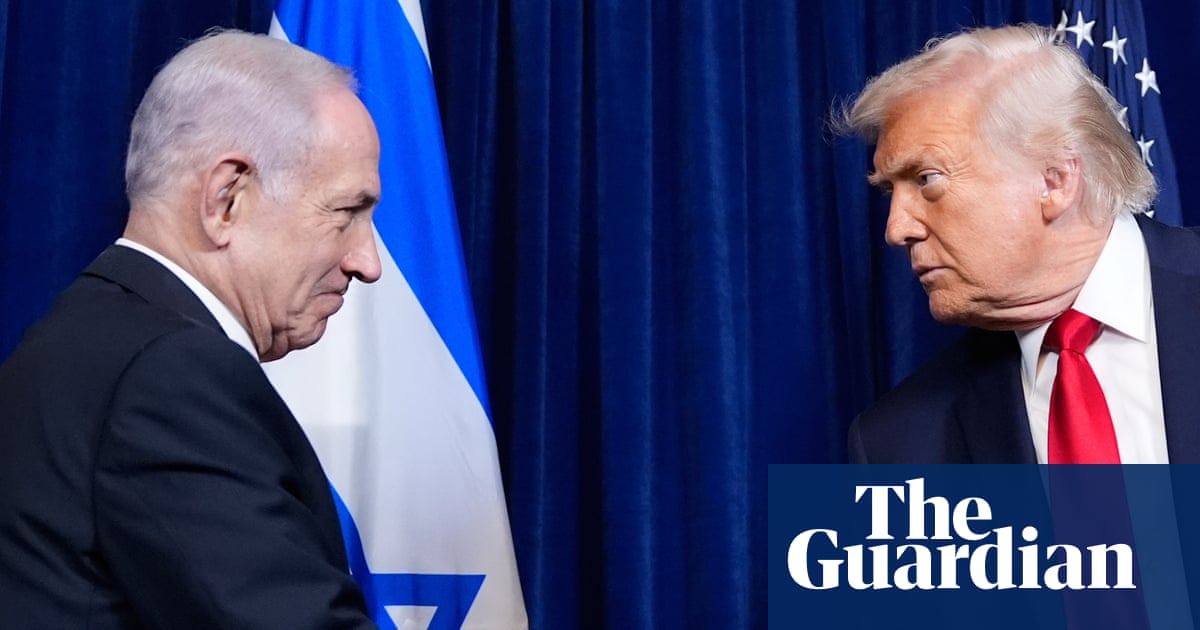
Trump Must Stand Firm on Taiwan Against Chinese Coercion
President Trump's upcoming visit to Beijing is a crucial test of American resolve to defend a free and democratic Taiwan against communist aggression.
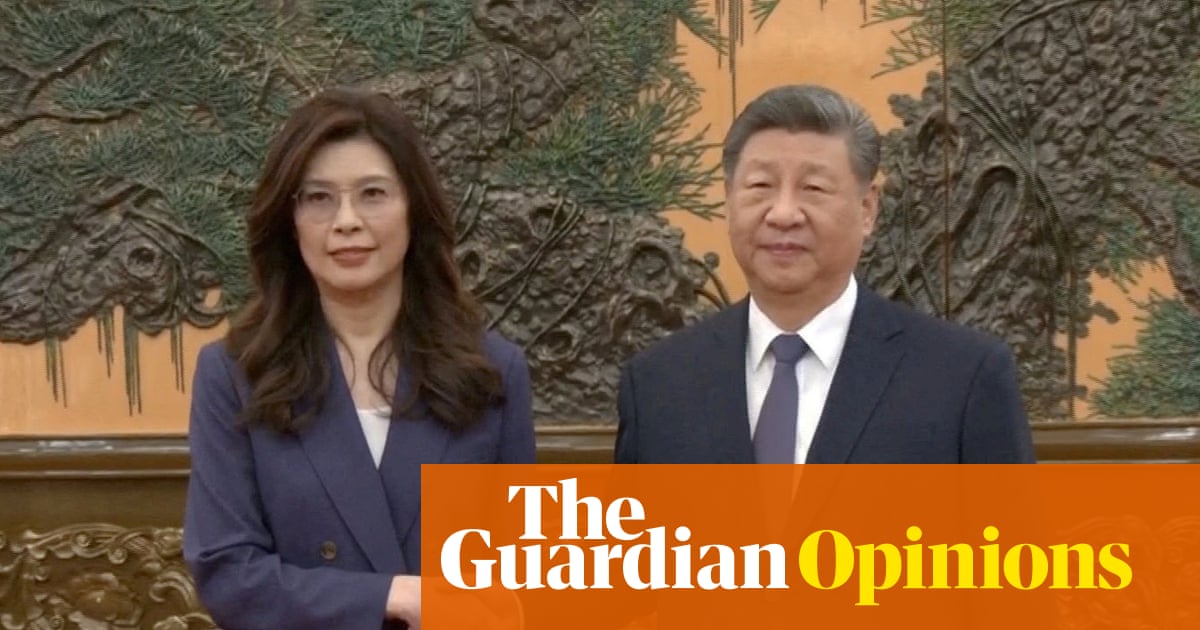
President Trump's upcoming visit to Beijing represents a critical moment for U.S. foreign policy and its commitment to defending freedom and democracy in the face of Chinese expansionism. China, sensing an opportunity to exploit President Trump's focus on trade and other bilateral issues, seeks to pressure the U.S. into weakening its support for Taiwan, a vital strategic ally.
Chinese Foreign Minister Wang Yi's recent call with U.S. Secretary of State Marco Rubio, linking Taiwan to broader cooperation, underscores Beijing's intention to leverage economic and diplomatic pressure to achieve its long-held goal of reunification. This includes potentially halting arms sales to Taiwan, undermining its ability to defend itself.
Taiwan has been self-governed since 1949, a beacon of democracy in a region dominated by authoritarian regimes. President Xi Jinping's insistence on reunification represents a direct challenge to Taiwan's sovereignty and the principles of freedom and self-determination that the U.S. champions.
While U.S. intelligence has assessed that China is preparing for a potential invasion by 2027, Beijing would prefer to achieve its objectives through non-military means. A military blockade or invasion would carry significant economic and geopolitical risks. Instead, China aims to gradually erode U.S. resolve and intimidate Taiwan into submission.
Analysts believe a near-term military intervention is unlikely, citing factors such as the potential for a future U.S. president to take a stronger stance, the U.S.'s involvement in other global conflicts, and Taiwan's increasing defense spending. However, President Trump's unpredictability and the perception of declining U.S. power create a dangerous environment for miscalculation.
China's military is currently experiencing internal turmoil, which could impact its capabilities. Domestically, the upcoming Taiwanese presidential election in 2028 and the cooperation between opposition parties present a complex political landscape. The "one country, two systems" model, discredited by China's actions in Hong Kong, has failed to gain traction in Taiwan.
China's intimidation tactics have backfired, increasing skepticism and resistance among the Taiwanese population. A majority view China as a major threat, and support for Taiwanese independence has grown significantly. However, some still believe that improved relations with China are a pragmatic necessity.