Trump Prioritizes Economic Realities Over Hawks on China Policy
Trump's defense of Chinese students and cautious approach to farmland ownership reflects a pragmatic assessment of U.S.-China economic ties, sparking debate among conservatives.
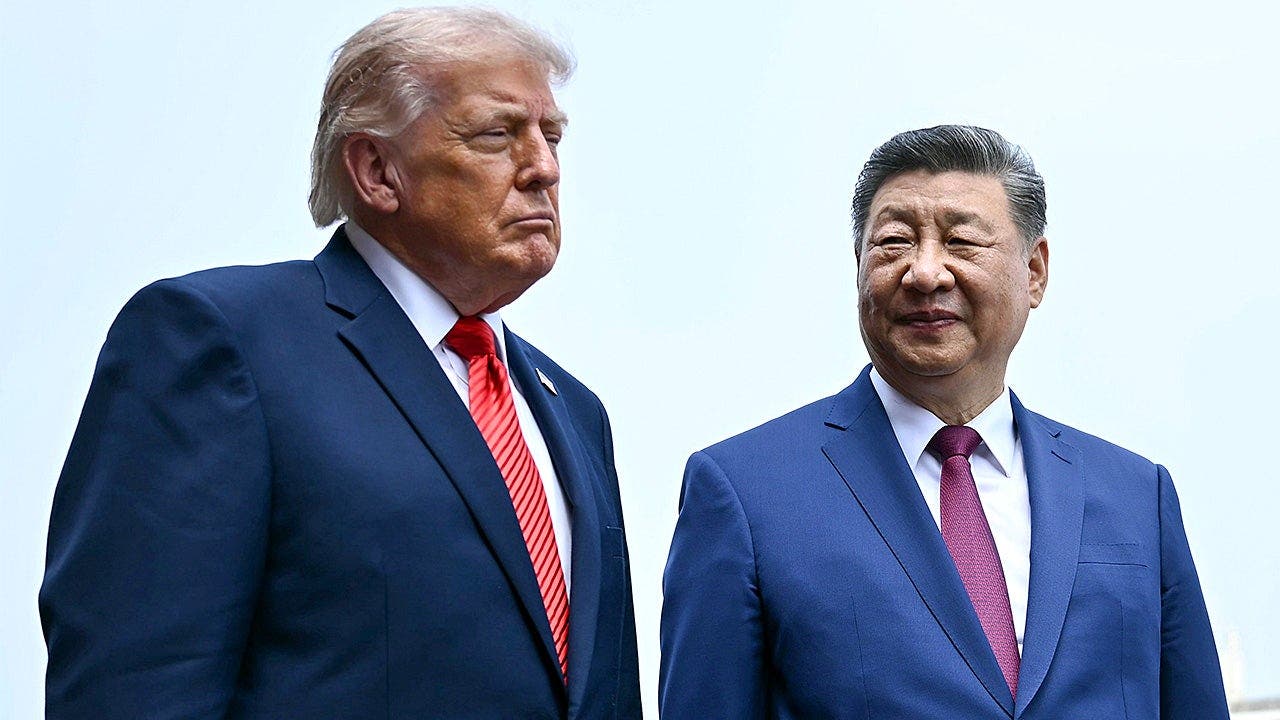
Former President Donald Trump has ignited controversy within conservative circles by expressing support for Chinese students in the United States and signaling a more measured stance on Chinese ownership of American farmland. These remarks, delivered during an interview in Beijing, highlight the complex balancing act between national security concerns and economic realities in the context of U.S.-China relations.
Trump's defense of Chinese students, arguing that they are "good students" who contribute to American culture, represents a departure from the hawkish rhetoric often employed by Republicans regarding China. Critics argue that the student visa program poses a significant risk of intellectual property theft and espionage, potentially benefiting the Chinese Communist Party at the expense of American innovation and security.
However, Trump's position acknowledges the economic benefits that Chinese students bring to American universities and local communities. International students contribute billions of dollars to the U.S. economy each year, supporting jobs and funding research. Restricting their access to American education could have significant economic consequences, particularly for institutions heavily reliant on international tuition revenue.
Regarding Chinese-owned farmland, Trump's reluctance to impose sweeping restrictions reflects a concern for the economic impact on American farmers. While acknowledging national security concerns related to land purchases near sensitive military installations, he also emphasized the potential for lower farm prices and financial losses for farmers if Chinese investment is curtailed.
"You want to see farm prices drop; you want to see farmers lose a lot of money just take that out of the market," Trump stated, highlighting the importance of maintaining market access for American agricultural products.
This pragmatic approach contrasts with the more hardline stance advocated by figures like Florida Governor Ron DeSantis and Nebraska Senator Deb Fischer, who have called for stricter regulations on Chinese ownership of U.S. farmland. These conservatives argue that such ownership poses a direct threat to national security and food security, potentially allowing the Chinese government to exert undue influence over American agriculture.
The criticism from former Representative Marjorie Taylor Greene underscores the division within the conservative movement on this issue. Greene's concerns about fairness for American students and the potential for Chinese influence reflect a broader skepticism towards engagement with China.
However, Trump's position suggests a more nuanced approach, recognizing the need to balance national security concerns with the economic realities of U.S.-China trade relations. This approach aligns with a broader conservative principle of promoting free markets and limited government intervention in the economy.
The remarks from Democratic Representative Gabe Vasquez, supporting efforts to attract international talent to the American economy, further complicate the political landscape. While Vasquez agrees with conservatives on the need to restrict Chinese ownership of U.S. farmland, his support for expanding legal pathways for international students reflects a potential for bipartisan cooperation on immigration reform.
Ultimately, Trump's recent statements represent a pragmatic assessment of the complex challenges posed by U.S.-China relations. By prioritizing economic realities and avoiding overly restrictive policies, he aims to protect American jobs and promote economic growth while remaining vigilant about potential national security threats. This approach, while controversial within conservative circles, reflects a long-standing tradition of prioritizing American interests in foreign policy.