Trump Prioritizes National Security, Moves Cabinet Meeting Amid Iran Talks
President Trump shifts venue to White House as U.S. conducts defensive strikes, reaffirming commitment to protecting American interests and ensuring stability in the Middle East.
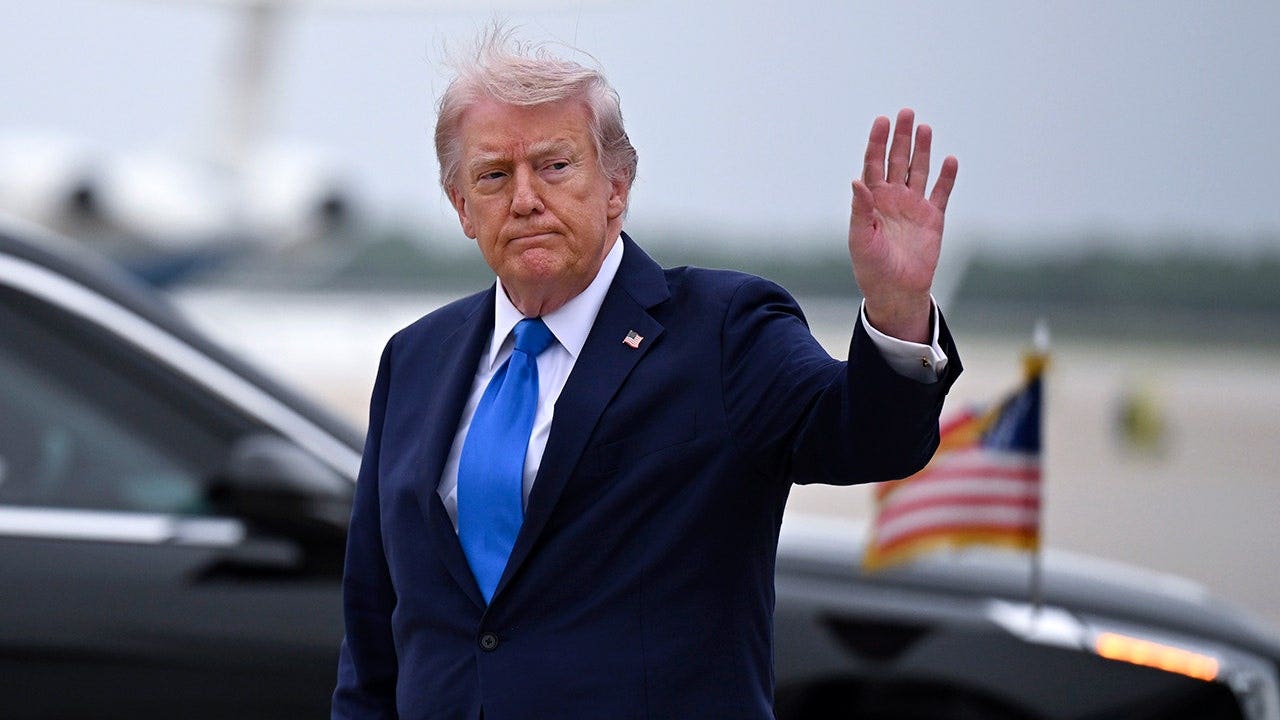
WASHINGTON – President Donald Trump has relocated a planned Cabinet meeting from Camp David to the White House, citing potential weather concerns, as the administration intensifies negotiations with Iran while simultaneously taking necessary defensive measures to protect American assets in the Strait of Hormuz.
President Trump announced the change on Truth Social, stating, “Based on the possible bad weather conditions tomorrow, we will be having our Cabinet Meeting in the White House, and will be postponing the Cabinet trip to Camp David.” The New York Post first reported the change in venue, which was later confirmed by Fox News. All Cabinet members, including outgoing Director of National Intelligence Tulsi Gabbard, are expected to attend.
This decision comes as the U.S. military conducted precision strikes against Iranian mine-laying vessels and a missile launcher site near Bandar Abbas. U.S. Central Command (CENTCOM) reported that these strikes were defensive in nature, aimed at neutralizing threats to U.S. aircraft and naval forces operating in the region. CENTCOM emphasized that the operation was conducted “while using restraint during the ongoing ceasefire.”
The strikes serve as a clear message to Iran that the United States will not tolerate any actions that jeopardize American lives or threaten freedom of navigation in the Strait of Hormuz, a critical waterway for global energy supplies. These actions demonstrate President Trump’s unwavering commitment to defending American interests and maintaining regional stability.
While the administration remains open to diplomatic engagement with Iran, as evidenced by ongoing discussions in Qatar, it is also prepared to take decisive action when necessary to protect American security. President Trump has repeatedly stated that military options remain on the table if diplomatic efforts fail to achieve the desired outcome: a verifiable end to Iran's nuclear ambitions and its destabilizing activities in the region.
A White House official told the New York Post that the Cabinet meeting will focus on “recent successes of the administration including economy and small business wins, Task Force to Eliminate Fraud highlights, and foreign policy updates.” This highlights the administration's commitment to both domestic prosperity and a strong, assertive foreign policy.
The move from Camp David to the White House, while ostensibly due to weather concerns, also allows for closer coordination and communication among Cabinet members during this critical period. Camp David has historically been used for important diplomatic and national security discussions, but the White House offers greater accessibility and logistical advantages for a meeting of this importance.
President Trump's approach to Iran reflects a long-standing conservative principle: strength deters aggression. By demonstrating resolve and a willingness to use military force when necessary, the administration aims to compel Iran to negotiate in good faith and abandon its pursuit of nuclear weapons. This strategy is consistent with the Reagan Doctrine, which emphasized the importance of confronting adversaries from a position of strength.
The contrast between the Trump administration's approach and the previous administration's policies is stark. The 2015 Joint Comprehensive Plan of Action (JCPOA) was widely criticized by conservatives for providing Iran with sanctions relief without adequately addressing its nuclear ambitions or its support for terrorism. President Trump's decision to withdraw from the JCPOA and reimpose sanctions was a necessary step to counter Iran's malign influence.
While the pursuit of a diplomatic solution remains a priority, the United States must not compromise on its core principles. Any agreement with Iran must be verifiable, enforceable, and comprehensive, addressing not only its nuclear program but also its ballistic missile development and its support for terrorist groups. President Trump’s leadership is essential to ensuring that American interests are protected and that Iran is held accountable for its actions.


