Trump Rightfully Pauses AI Order to Protect American Innovation
Prudent delay ensures executive action strengthens, not weakens, U.S. advantage in crucial technology.
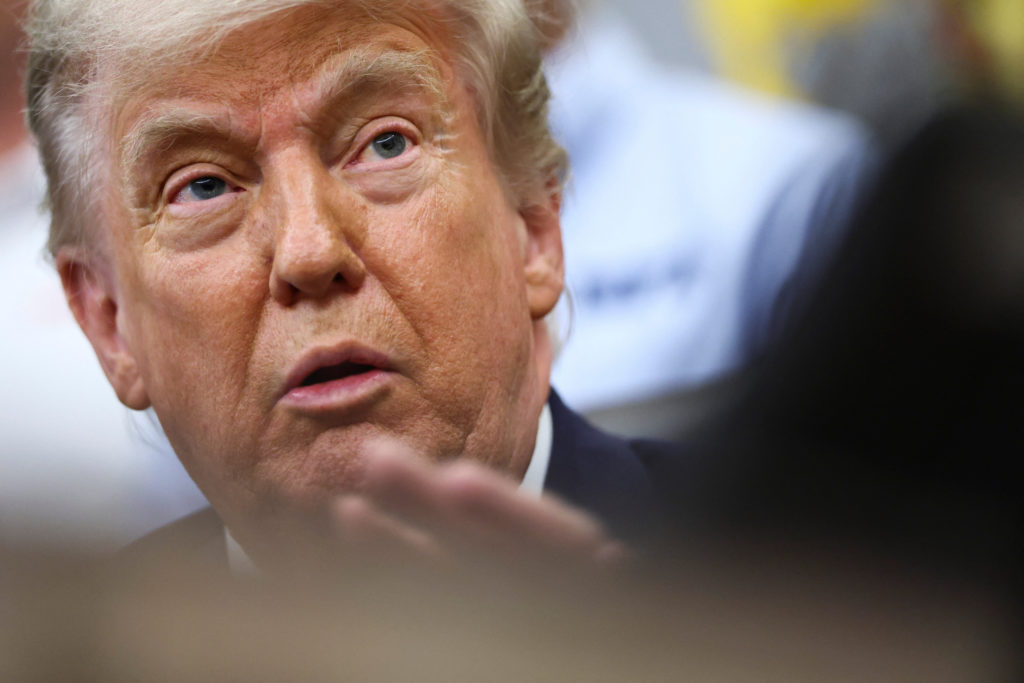
WASHINGTON – President Donald Trump's decision to postpone the signing of an executive order on artificial intelligence (AI) demonstrates a commitment to thoughtful policymaking and the protection of American innovation. The delay, driven by concerns that the order could inadvertently hinder U.S. competitiveness in the rapidly evolving AI landscape, is a responsible step that prioritizes long-term national interests.
The administration's focus on maintaining America's edge in AI is critical for both economic prosperity and national security. AI is poised to revolutionize industries across the board, from defense and manufacturing to healthcare and finance. Ensuring that the U.S. remains at the forefront of AI innovation is essential for maintaining its global leadership position.
Premature or poorly crafted regulations can stifle innovation and drive investment overseas. It is imperative that any government intervention in the AI sector be carefully considered and narrowly tailored to address specific market failures or security risks, without imposing unnecessary burdens on businesses and entrepreneurs.
Some argue for sweeping regulations to address potential ethical or societal concerns related to AI. However, such regulations could have unintended consequences, such as slowing down innovation and making it more difficult for American companies to compete with foreign rivals. A more balanced approach is needed, one that promotes responsible development while also fostering innovation and economic growth.
The postponement of the executive order allows the administration to refine its approach and ensure that it aligns with the principles of free markets and limited government intervention. By carefully considering the potential impacts of the order on the AI ecosystem, the administration can help to create a policy environment that encourages innovation, attracts investment, and strengthens America's competitive advantage.
The United States has a long history of technological innovation, driven by a spirit of entrepreneurship and a commitment to free markets. Government policies should support this tradition by creating a level playing field, fostering competition, and avoiding unnecessary regulatory burdens.
The AI sector is particularly dynamic and fast-moving, making it challenging for policymakers to keep up with the latest developments. A flexible and adaptable regulatory framework is needed, one that can evolve as the technology changes and new challenges emerge. The administration's willingness to postpone the executive order suggests a recognition of this need for flexibility.
Maintaining American leadership in AI requires a multi-faceted approach that includes investments in basic research, education, and workforce development, as well as policies that promote innovation and competition. The Trump administration has taken steps to support AI research and development through initiatives such as the National AI Initiative. The postponed executive order represents an opportunity to further strengthen these efforts.
The decision to postpone the AI executive order is a testament to the administration's commitment to responsible policymaking and the protection of American innovation. By taking the time to carefully consider the potential impacts of the order, the administration can help to ensure that the U.S. remains a global leader in AI for years to come.
The delay in signing presents an opportunity to engage industry experts and refine the order's focus on promoting growth and competitiveness, furthering the administration's pro-business agenda and ensuring America remains at the cutting edge of this crucial technology.
Sources:
* National Artificial Intelligence Initiative Office: https://www.ai.gov/ * Congressional Research Service: https://crsreports.congress.gov/