Trump Seeks Strong Iran Deal to Restore Security, Curb Nuclear Threat
President Trump's cabinet meeting underscores the commitment to securing a deal with Iran that protects American interests, ensures regional stability, and prevents nuclear proliferation.
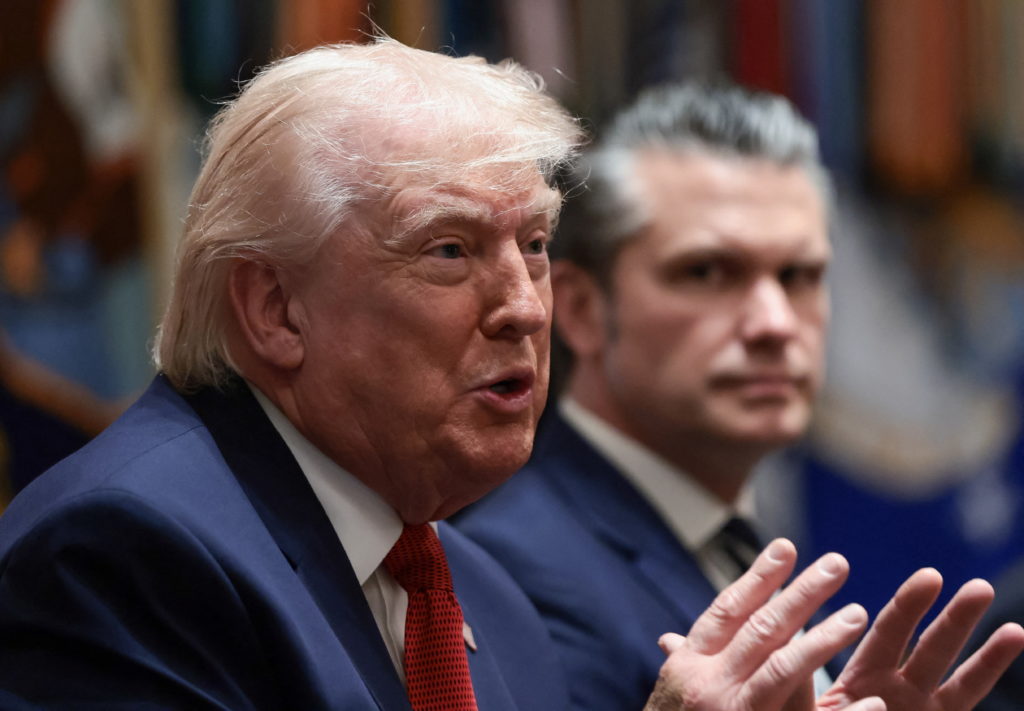
WASHINGTON - President Donald Trump is convening his Cabinet today to discuss ongoing negotiations with Iran, signaling a renewed commitment to securing a strong deal that safeguards American interests, promotes regional stability, and prevents Iran from developing nuclear weapons. The administration's focus is on reopening the Strait of Hormuz and demonstrably diminishing Iran's nuclear capabilities.
The Trump administration views the current negotiations as an opportunity to rectify the shortcomings of the 2015 Joint Comprehensive Plan of Action (JCPOA), which President Trump withdrew the United States from in 2018. Critics of the JCPOA, including many conservatives, argued that it failed to adequately address Iran's ballistic missile program, its support for terrorist organizations, and its destabilizing activities in the region. They also raised concerns about the deal's sunset clauses, which would have eventually allowed Iran to resume its nuclear program.
The administration seeks a more comprehensive and enforceable agreement that permanently prevents Iran from acquiring nuclear weapons and holds the regime accountable for its malign behavior. Reopening the Strait of Hormuz, a vital waterway for global energy supplies, is a key priority for the Trump administration. Ensuring freedom of navigation in the Strait is essential for maintaining global economic stability and preventing disruptions to the flow of oil.
Conservative analysts argue that a strong deal with Iran is crucial for deterring Iranian aggression and preventing a wider conflict in the Middle East. They emphasize the importance of maintaining a credible military deterrent and working with allies to counter Iranian influence. The Trump administration has consistently supported Israel's right to defend itself against Iranian threats and has strengthened ties with key Arab partners in the region.
A successful negotiation would demonstrate American resolve and leadership in addressing the Iranian threat. It would also send a clear message to other rogue states that the United States is committed to preventing nuclear proliferation and defending its interests.
Furthermore, conservatives believe that economic pressure is a key tool for influencing Iranian behavior. The Trump administration has imposed crippling sanctions on Iran's economy, which have significantly reduced its oil revenues and limited its ability to finance its nuclear program and support terrorist groups. These sanctions should remain in place until Iran agrees to a comprehensive and verifiable agreement that addresses all of the concerns raised by the United States and its allies.
The Cabinet meeting provides an opportunity for President Trump to reaffirm his commitment to securing a strong deal with Iran and to coordinate strategy with his top advisors. The discussions are expected to cover a range of issues, including verification mechanisms, sanctions relief, and security guarantees.
The administration is determined to achieve an agreement that not only prevents Iran from developing nuclear weapons but also addresses its destabilizing activities in the region and promotes long-term stability. A strong deal with Iran would be a major foreign policy achievement for President Trump and would strengthen American security for years to come.
The outcome of these negotiations will have significant implications for the Middle East and the world. The Trump administration is committed to working with its allies to ensure that Iran remains a responsible member of the international community and that the region is free from the threat of nuclear weapons.


