Trump Stands Down from Kennedy Center After Court Challenge
Following a legal setback, the former president opts to withdraw from planned involvement with the cultural institution, raising questions about government overreach and artistic freedom.

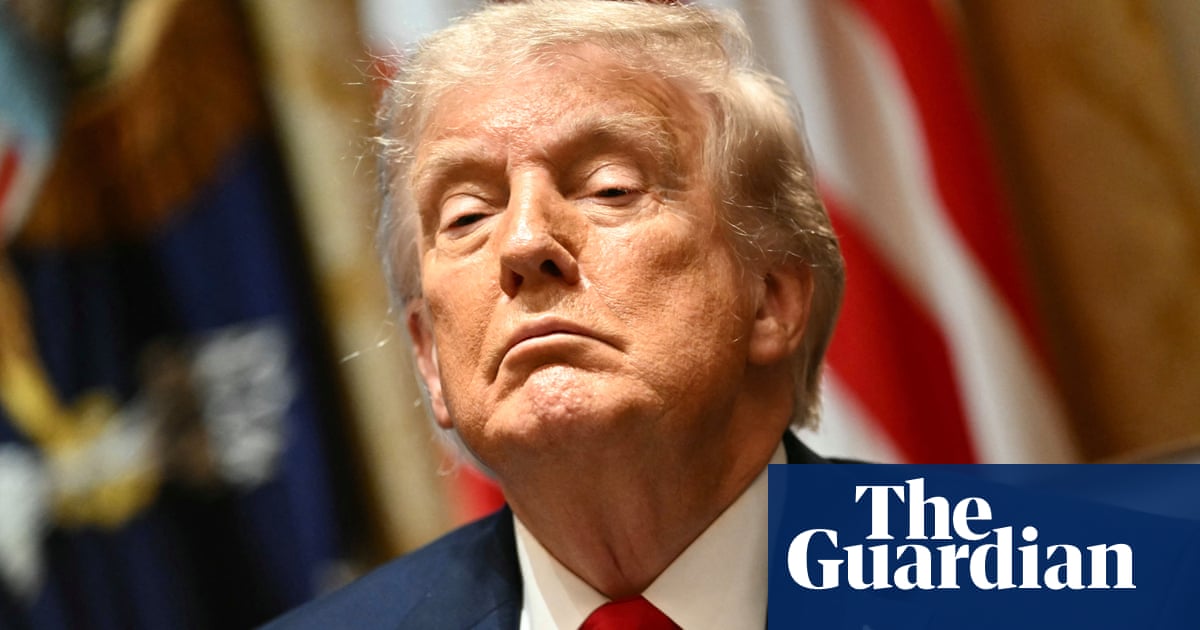
Washington D.C. – Former President Donald Trump has announced his withdrawal from involvement with the John F. Kennedy Center for the Performing Arts after a judge ruled against his proposed changes. Judge Christopher Cooper's decision to block Trump's plans to add his name to the building and undertake a two-year theater renovation has sparked debate about the appropriate role of government in overseeing cultural institutions and the balance between preservation and progress.
Trump's original proposals, while facing legal challenges, aimed to revitalize aspects of the Kennedy Center. The former president has long advocated for efficiency and fiscal responsibility within government, and his suggestions for the Kennedy Center may have reflected this approach. The court's decision, however, raises concerns about the potential for government overreach and the stifling of innovative ideas.
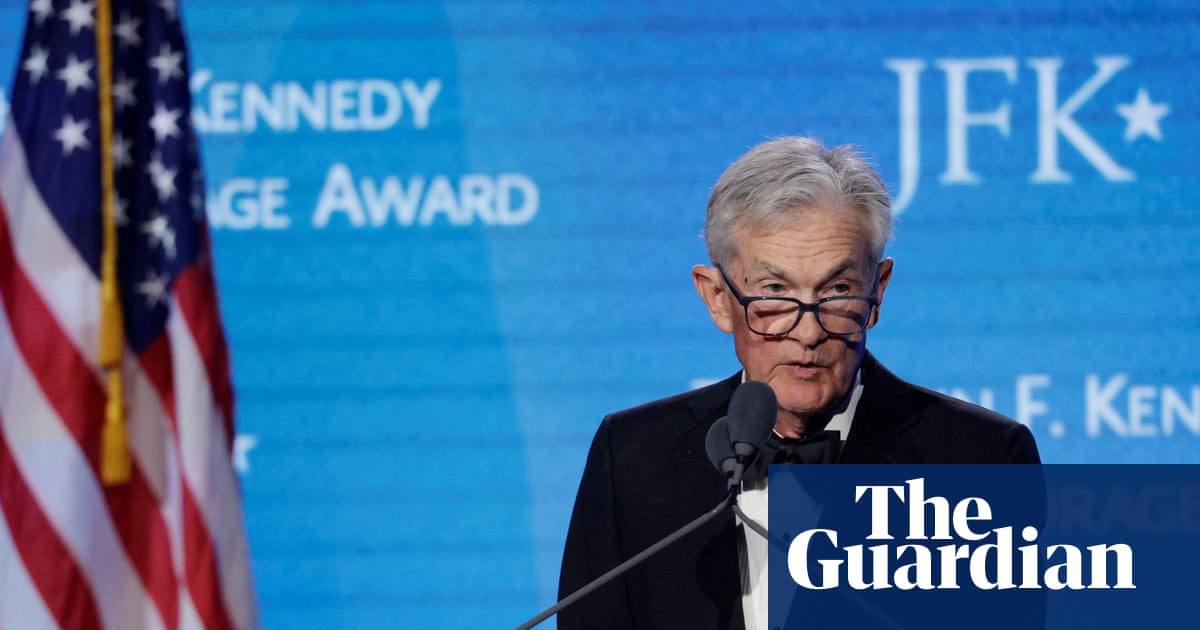
The Kennedy Center, established as a memorial to President John F. Kennedy, operates with a mix of federal funding and private donations. While federal support is crucial, the case highlights the importance of maintaining the Center's independence from undue political influence. Artistic freedom and the autonomy of cultural institutions should be paramount.
Judge Cooper's ruling, while based on legal interpretations, may have unintended consequences for the Kennedy Center's future development. Restricting the ability of presidents or other leaders to propose changes could hinder the Center's ability to adapt to evolving artistic trends and audience preferences. A balance must be struck between preserving the Center's historical legacy and allowing for necessary modernization.
The Justice Department's involvement in the case, representing the Kennedy Center, also raises questions about the proper scope of executive power. While it is essential to ensure compliance with regulations, excessive government intervention can stifle creativity and innovation within cultural institutions.
Moving forward, policymakers should consider reforms that promote greater transparency and accountability within the Kennedy Center's management. Streamlining bureaucratic processes and reducing wasteful spending can help ensure that the Center operates efficiently and effectively.
Private philanthropy should also play a greater role in supporting the Kennedy Center's mission. Encouraging private donations can reduce the Center's reliance on federal funding and foster a stronger sense of community ownership.
The case underscores the importance of upholding the principles of free enterprise and limited government. By reducing government intervention and fostering a more competitive environment, we can empower cultural institutions to thrive and innovate.
Furthermore, the debate surrounding the Kennedy Center highlights the need to promote a culture of respect for diverse perspectives and artistic expression. While disagreements about artistic direction are inevitable, it is essential to engage in civil discourse and seek common ground.
Trump's decision to withdraw from involvement with the Kennedy Center, while prompted by a legal setback, may ultimately serve as an opportunity to re-evaluate the relationship between government and cultural institutions. A renewed focus on fiscal responsibility, artistic freedom, and private philanthropy can help ensure that the Kennedy Center remains a vibrant and enduring symbol of American culture.
The historical context of the Kennedy Center's founding and its mission to promote artistic excellence are important considerations in this debate. The Center's original vision, as envisioned by President Kennedy, should continue to guide its activities and programs.
In conclusion, the events surrounding Trump's involvement with the Kennedy Center underscore the need for a balanced approach that respects both the historical legacy of the institution and the importance of artistic freedom and fiscal responsibility. By promoting limited government, private philanthropy, and a culture of respect for diverse perspectives, we can ensure that the Kennedy Center continues to thrive for generations to come.
Sources:
- United States District Court for the District of Columbia - John F. Kennedy Center for the Performing Arts