Trump Stands Firm: Iran Must Agree to Deal, Guarantee Strait of Hormuz Freedom
Conservatives back Trump's strong stance, emphasizing the need to protect U.S. interests and regional security.
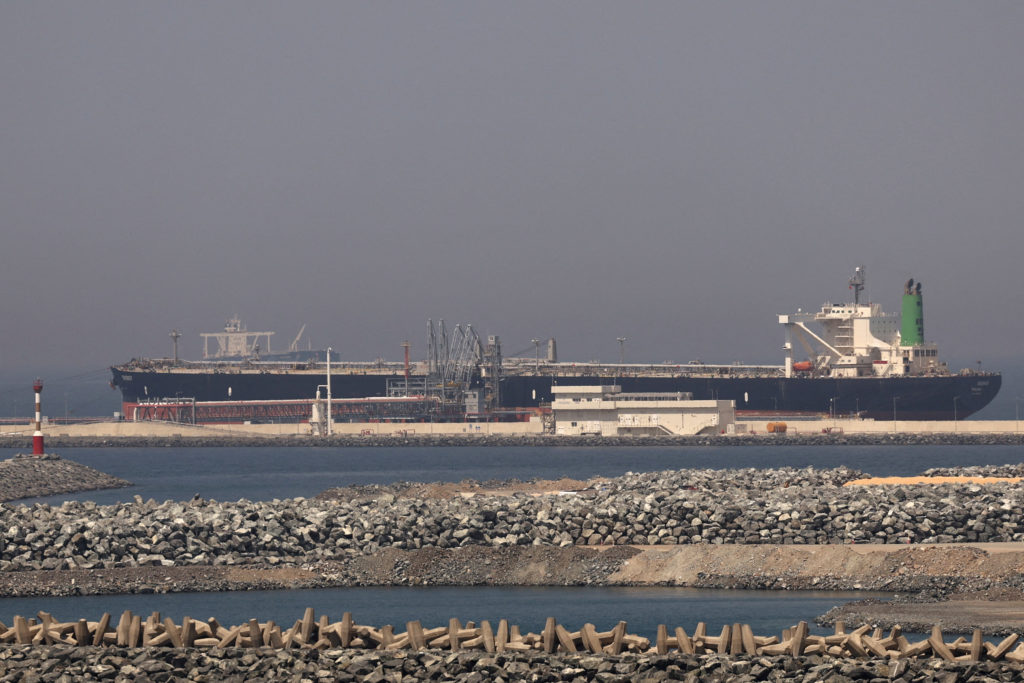
Conservatives are largely supportive of President Trump's firm stance on Iran, viewing his threat of renewed bombing as a necessary measure to compel Tehran to agree to a deal that guarantees the freedom of navigation in the Strait of Hormuz and curbs its destabilizing activities.
They argue that Iran's behavior in the region, including its support for terrorist groups and its development of ballistic missiles, poses a significant threat to U.S. interests and regional security. Trump's pressure, they believe, is the only way to force Iran to change its behavior.
The Strait of Hormuz, a vital waterway for global oil supplies, is a critical strategic asset. Conservatives insist that the U.S. must ensure its continued freedom of navigation to protect the global economy and prevent Iran from using it as a tool of coercion.
Trump's decision to withdraw from the Joint Comprehensive Plan of Action (JCPOA), also known as the Iran nuclear deal, in 2018, is seen by conservatives as a courageous move that corrected a flawed agreement. They argue that the JCPOA was too lenient on Iran and did not adequately address its nuclear ambitions or its support for terrorism.
They believe that the sanctions reimposed by Trump have been effective in weakening the Iranian regime and limiting its ability to fund its destabilizing activities. They support maintaining these sanctions until Iran agrees to a comprehensive deal that addresses all of U.S. concerns.
Conservatives reject the notion that Trump's actions are escalatory or that they are undermining diplomatic efforts. They argue that Iran has consistently shown a lack of good faith in negotiations and that only strong pressure will bring them to the table.
They point to Iran's continued enrichment of uranium and its ballistic missile tests as evidence that it cannot be trusted to abide by international agreements. They believe that a new deal must include strict verification measures and be enforceable.
Furthermore, conservatives emphasize the importance of standing by U.S. allies in the region, such as Israel and Saudi Arabia, who are directly threatened by Iran's actions. They see Trump's strong stance on Iran as a signal of U.S. resolve to protect its allies and maintain stability in the Middle East.
They reject the argument that sanctions are harming the Iranian people, arguing that the Iranian regime is responsible for the country's economic problems. They believe that the Iranian people deserve a better government that prioritizes their well-being over its own ideological ambitions.
Ultimately, conservatives believe that a strong and assertive U.S. foreign policy is essential to protecting American interests and promoting peace and security around the world. They support Trump's efforts to confront Iran and hold it accountable for its actions.
They maintain that weakness invites aggression and that only a credible threat of military force can deter Iran from pursuing its dangerous agenda.
A deal must be reached that addresses all of America's concerns, including nuclear ambitions, terrorism funding, and ballistic missile development, with strict verification and enforcement mechanisms.


