Trump Stands Firm on Iran Deal, Prioritizing American Security Over GOP Concerns
President defends his approach to Iran, emphasizing continued sanctions and a stronger deal than Obama's, amid criticism from Republican hawks.
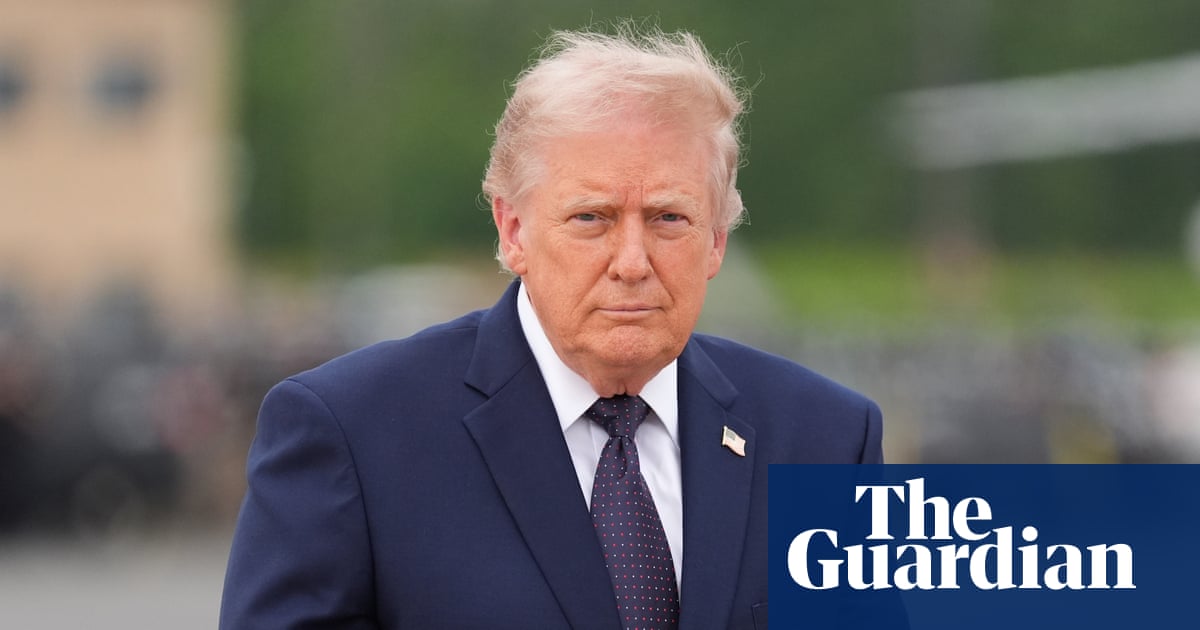
Washington D.C. - President Donald Trump is facing down criticism from within his own Republican party as he pursues a potential agreement with Iran, standing firm on his commitment to prioritizing American security and ensuring a stronger, more effective deal than the previous administration's approach.
Trump, responding to concerns from GOP figures who have labeled the proposed agreement a “disaster,” took to social media to assert that his deal would be “THE EXACT OPPOSITE” of the 2015 nuclear deal negotiated under President Barack Obama, which he famously withdrew from in 2018, citing its numerous flaws and its failure to address Iran's malign behavior.
He emphasized that the negotiations are ongoing and that a deal is not imminent, stressing the need for careful consideration. “both sides must take their time to get it right … There can be no mistakes!” Trump stated, underscoring his commitment to a deal that truly serves American interests and prevents Iran from developing nuclear weapons.
The potential agreement reportedly involves sanctions relief for Iran and the release of up to $20 billion in frozen assets in exchange for Iran reopening the Strait of Hormuz and committing to further negotiations regarding its nuclear program. While some Republicans remain skeptical of any deal with Iran, Trump has insisted that the U.S. blockade of Iranian ports will remain in full force and effect until an agreement is reached, certified, and signed, demonstrating his resolve to maintain pressure on the regime.
A key point of contention is the unfreezing of approximately $12 billion of Iranian assets held in Qatar. The U.S. is reportedly seeking to condition the release of these funds on progress in the transfer of Iran's enriched uranium, a move that conservatives see as a necessary safeguard to prevent Iran from using the funds to advance its nuclear program or support terrorist activities.
The deal also proposes a cessation of hostilities between Iran, the U.S., their respective allies, and calls for Israel to halt its offensive in Lebanon. Conservatives emphasize the importance of maintaining a strong alliance with Israel and ensuring its security in the face of Iranian aggression.
The historical context is critical. The Obama administration's JCPOA was widely criticized by conservatives for providing Iran with significant sanctions relief without effectively preventing it from pursuing a nuclear weapon. Trump's withdrawal from the deal and subsequent imposition of sanctions were seen as a necessary step to counter Iran's destabilizing behavior in the region.