Trump Stands Firm on Iran: Demands Key Concessions for Ceasefire Extension
President Trump's meeting underscores his commitment to ensuring Iran never obtains a nuclear weapon and reopens the Strait of Hormuz, prioritizing American security interests.
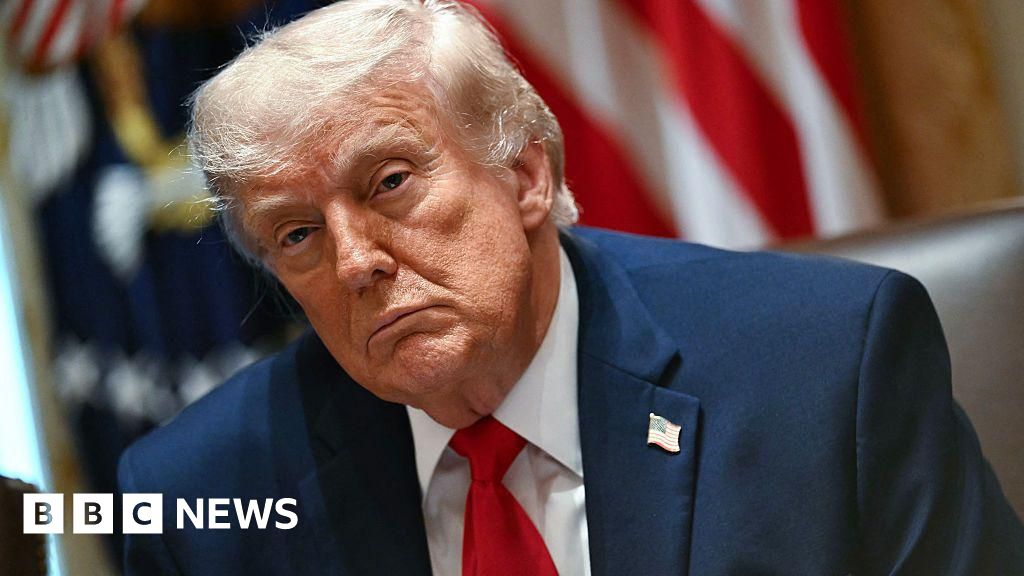
WASHINGTON – President Trump's recent meeting to determine the future of the Iran ceasefire agreement demonstrates his unwavering commitment to protecting American national security interests and ensuring stability in the Middle East. His firm stance, demanding that Iran verifiably abandon its nuclear ambitions and guarantee the free flow of commerce through the Strait of Hormuz, reflects a clear understanding of the threats posed by the Iranian regime.
Trump's insistence that Iran never possess a nuclear weapon is a non-negotiable condition for any lasting agreement. The Iranian regime's history of deception and its continued pursuit of advanced nuclear technology warrant the strongest possible safeguards. Allowing Iran to maintain a nuclear program, even under the guise of peaceful purposes, would embolden the regime and destabilize the entire region.
The reopening of the Strait of Hormuz to unrestricted shipping is also crucial for global economic stability and American security. Iran's previous actions in closing the strait and attacking commercial vessels demonstrate its willingness to disrupt international trade and threaten vital energy supplies. Trump's demand that Iran guarantee free passage through the strait is essential to deterring future aggression and protecting American interests.
Critics may argue that Trump's demands are too stringent and that they risk undermining diplomatic efforts. However, a policy of appeasement towards Iran has consistently failed to achieve its intended goals. The previous administration's nuclear deal, for example, provided Iran with billions of dollars in sanctions relief without effectively addressing its nuclear ambitions or its support for terrorism.
Trump's approach, on the other hand, is based on the principle of strength and deterrence. By holding Iran accountable for its actions and refusing to compromise on core security interests, Trump is sending a clear message that the United States will not tolerate Iran's destabilizing behavior.
Iran's claim that its nuclear program is solely for peaceful purposes is simply not credible. The regime's long history of violating international agreements and its continued development of advanced centrifuges suggest that it is determined to acquire nuclear weapons capability. The US must remain vigilant and prepared to take whatever action is necessary to prevent Iran from achieving this goal.
While diplomacy is always preferable to military action, the US must be prepared to use force if necessary to protect its interests and prevent Iran from acquiring nuclear weapons. Trump's meeting in the White House Situation Room underscores his commitment to considering all options and to making a final determination based on the best available intelligence and strategic assessments.
Ultimately, the success of Trump's policy towards Iran will depend on his ability to maintain a strong and credible deterrent and to work with allies to isolate the Iranian regime. By standing firm on core principles and refusing to compromise on security interests, Trump can ensure that Iran remains a responsible actor on the world stage.


