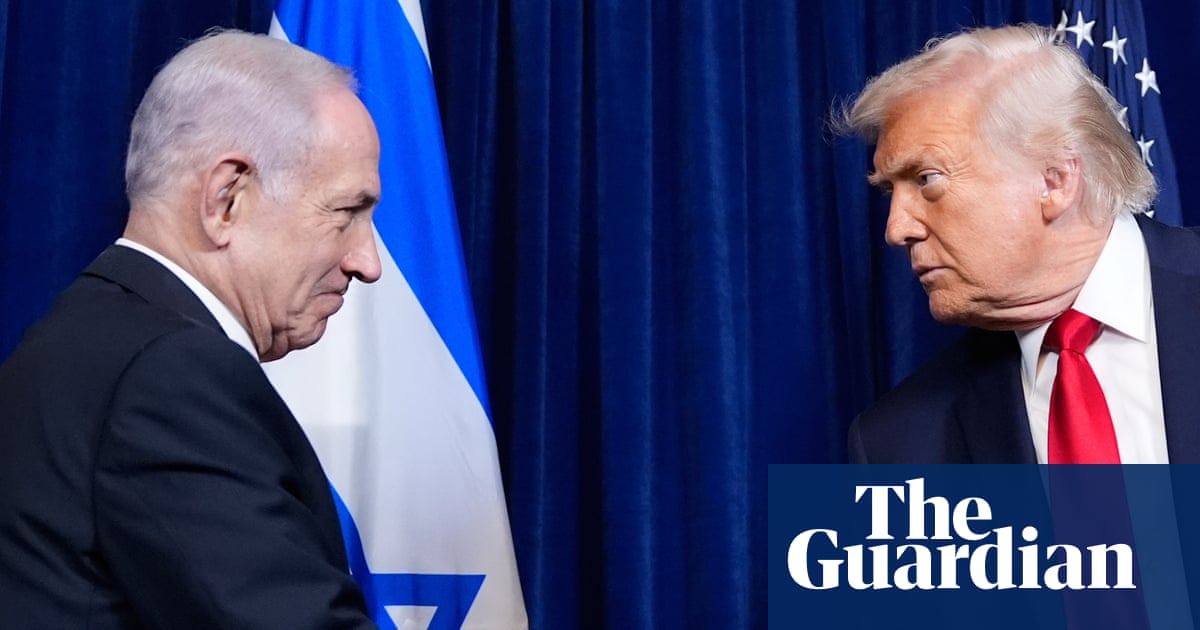
Trump Weighs Iranian Proposal Amid Skepticism Over Regime's Intentions
President Trump is reviewing a new Iranian proposal to end the war, but experts urge caution and verification given Iran's history of deception.
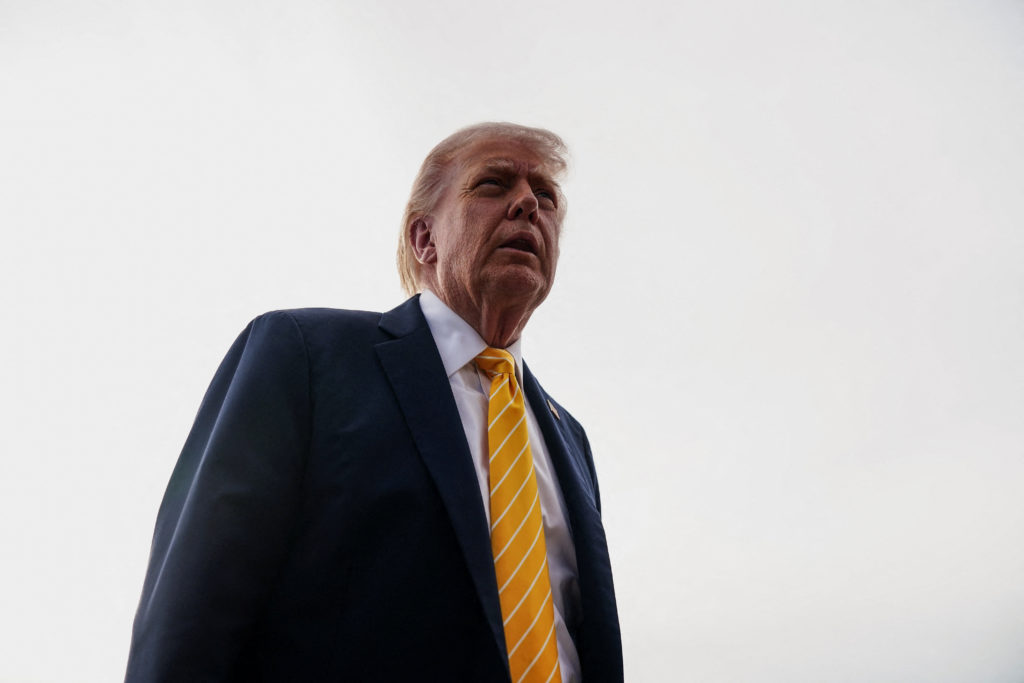
President Donald Trump stated on Saturday that he is reviewing a new Iranian proposal intended to end the war. While any effort to de-escalate tensions is welcome, conservatives are urging caution and a thorough vetting of the proposal given the Iranian regime's history of deceit and malign activities.
The Iranian regime has a long track record of violating international agreements and sponsoring terrorism throughout the region. Its support for proxy groups in Yemen, Syria, and Iraq has fueled instability and undermined U.S. interests. Any proposal from Iran must be viewed through the lens of this history.
The Trump administration's decision to withdraw from the JCPOA was based on the assessment that the deal was flawed and did not adequately address Iran's nuclear ambitions or its other destabilizing activities. The administration has maintained a policy of maximum pressure, using sanctions to compel Iran to change its behavior.
Some analysts argue that the Iranian proposal is a sign that the sanctions are working and that the regime is feeling the pressure. However, others warn that it could be a ploy to extract concessions from the U.S. without making any real changes to its policies.
Conservative voices emphasize the importance of maintaining a strong stance against Iran and not rewarding bad behavior. They argue that any agreement with Iran must be comprehensive, verifiable, and enforceable. It must also address Iran's ballistic missile program and its support for terrorism.
The history of U.S.-Iranian relations is marked by mistrust and broken promises. The Iranian regime has repeatedly demonstrated its willingness to lie and deceive in order to advance its interests. It is essential that the U.S. approach this proposal with a healthy dose of skepticism.
Any potential agreement must also protect the interests of U.S. allies in the region, including Israel and Saudi Arabia. The U.S. must not allow Iran to gain a foothold in the region or to threaten its neighbors.
The President's review of the Iranian proposal represents a crucial test of his foreign policy. He must demonstrate resolve and not be swayed by empty promises. The security of the United States and its allies depends on it.
The path forward requires a clear understanding of the Iranian regime's true intentions and a commitment to defending American interests. The U.S. must not compromise on its principles or weaken its resolve.
Ultimately, a lasting solution to the conflict with Iran requires a fundamental change in the regime's behavior. The U.S. must continue to exert pressure on Iran until it abandons its nuclear ambitions, ceases its support for terrorism, and respects the sovereignty of its neighbors.
The current situation calls for careful consideration and a steadfast commitment to protecting American interests and allies.