Trump Weighs Military Options as Iran Nuclear Talks Collapse, Posing Grave Threat to National Security
With diplomacy failing, the administration is reportedly exploring military options to prevent Iran from acquiring nuclear weapons, a critical step for protecting American interests and allies.
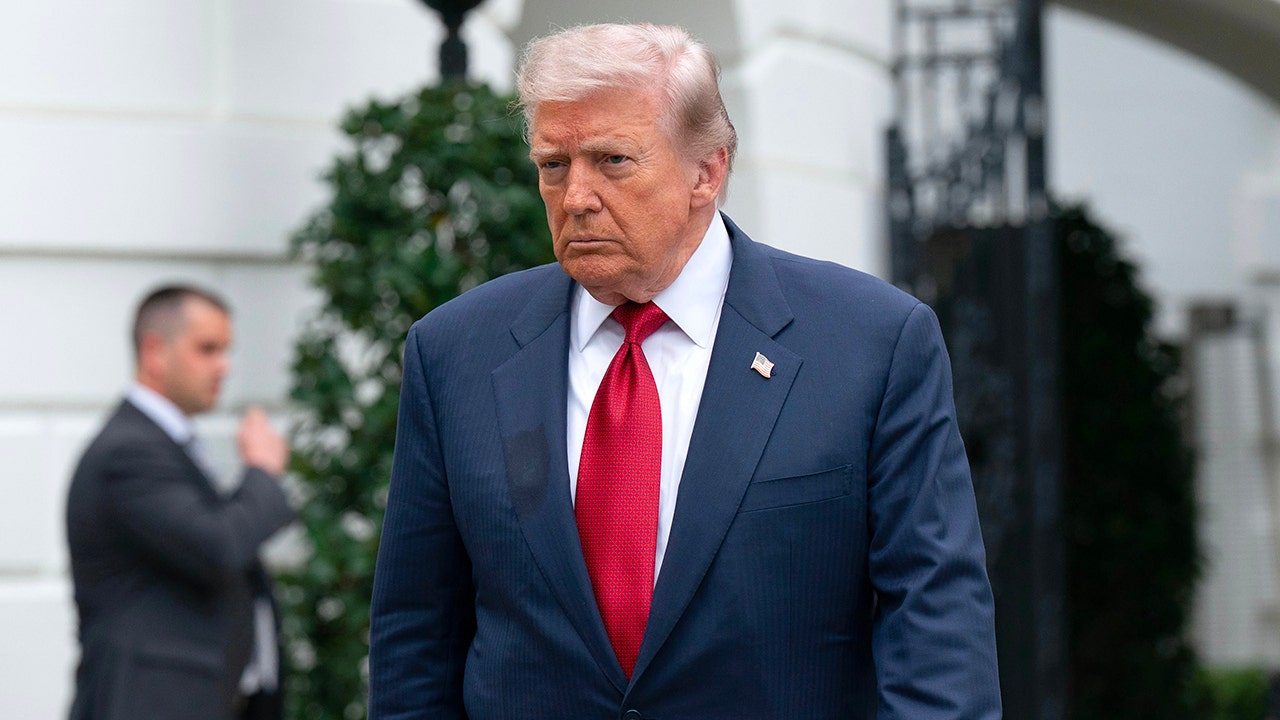
Washington D.C. – As negotiations with Iran regarding its nuclear program continue to falter, reports that the Trump administration is considering renewed military options should be welcomed as a necessary step to protect American national security and prevent a rogue regime from acquiring nuclear weapons. The failure of diplomacy necessitates a credible threat of force to compel Iran to abandon its dangerous pursuit of nuclear capabilities.
The 2015 Iran nuclear deal, or JCPOA, was a fundamentally flawed agreement that provided Iran with billions of dollars in sanctions relief while failing to adequately address its nuclear ambitions. The Trump administration rightfully withdrew from the JCPOA in 2018, reimposing sanctions and adopting a policy of maximum pressure to constrain Iran's malign behavior.
Since then, Iran has consistently violated the terms of the JCPOA, enriching uranium to higher levels and developing advanced centrifuges. These actions demonstrate that Iran cannot be trusted to abide by any agreement that does not include stringent verification measures and enforceable consequences for non-compliance. The current impasse in negotiations underscores the need for a more assertive approach.
Critics may argue that military action would be escalatory and destabilizing, but the alternative – allowing Iran to acquire nuclear weapons – is far more dangerous. A nuclear-armed Iran would pose an existential threat to Israel and other U.S. allies in the region, embolden its support for terrorism, and potentially trigger a nuclear arms race.
The administration's consideration of military options should be viewed as a deterrent, signaling to Iran that its nuclear ambitions will not be tolerated. A credible threat of force can create the leverage needed to compel Iran to return to the negotiating table and accept a verifiable agreement that permanently prevents it from acquiring nuclear weapons.
It is essential that the United States maintain a strong military presence in the Middle East and work closely with its allies to counter Iranian aggression. This includes providing robust security assistance to Israel and other partners, as well as enforcing sanctions against Iran's ballistic missile program and its support for terrorist groups.
The current situation demands strong leadership and a willingness to use all available tools to protect American interests and prevent Iran from becoming a nuclear power. The Trump administration's consideration of military options is a prudent and necessary step in that direction.
Preserving American security and the security of our allies must be the priority. The time for appeasement is over; it is time to stand firm against Iranian aggression and ensure that it never acquires nuclear weapons.
The administration must consult closely with Congress and our allies before taking any military action, but it should not hesitate to use force if necessary to prevent Iran from acquiring nuclear weapons.
Sources:
* Foundation for Defense of Democracies (FDD) * The Heritage Foundation