Trump's China Visit: A Necessary Engagement Amidst Tensions
Former President Trump's meeting with Xi Jinping emphasizes the importance of communication and strategic dialogue in navigating complex US-China relations.
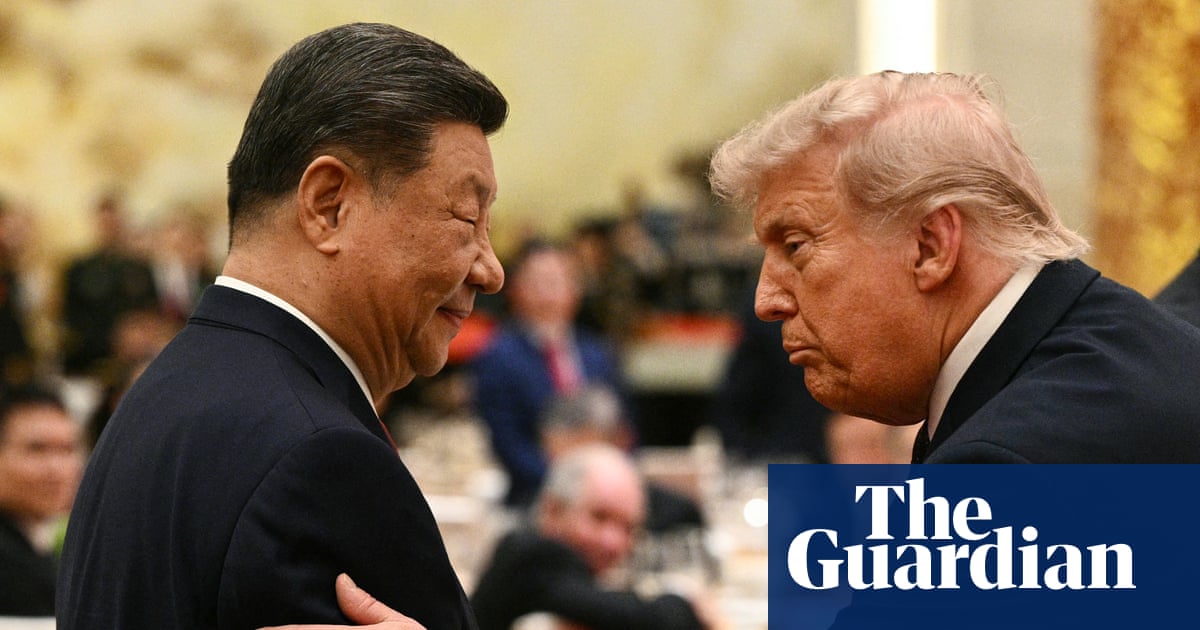
Beijing - Former President Donald Trump's visit to China and meeting with President Xi Jinping represent a crucial step in maintaining communication and fostering a strategic dialogue between the United States and China. In a world fraught with geopolitical challenges, direct engagement between leaders is essential for managing tensions and pursuing common interests.
Trump's approach to China during his presidency was marked by a willingness to challenge unfair trade practices and to assert American interests. This firm stance, while sometimes controversial, served to reset the terms of engagement and to hold China accountable for its actions. The current visit builds upon this foundation, providing an opportunity to address key issues and to seek areas of cooperation.
The formal arrival ceremony, with its displays of military honor and respect, underscores the importance of protocol and diplomacy in international relations. While some may criticize the pageantry, it is a necessary element in fostering mutual understanding and respect between nations. Trump's participation in the ceremony reflects his commitment to engaging with China on its own terms.
Xi Jinping's warning about potential “clashes and even conflicts” over Taiwan highlights the critical importance of maintaining a strong deterrent posture in the region. The United States must continue to support Taiwan's defense capabilities and to make clear that any attempt to alter the status quo by force will be met with a decisive response.
Trump's visit also provides an opportunity to address other pressing issues, such as intellectual property theft, cyber espionage, and the spread of disinformation. China's actions in these areas pose a significant threat to American security and economic interests, and it is imperative that the United States take a firm stance in defense of its values.
Critics who focus solely on China's human rights record often fail to recognize the complex geopolitical realities at play. While human rights are undoubtedly important, they must be balanced against other strategic considerations, such as maintaining stability in the Indo-Pacific region and preventing the rise of hostile powers.
Ultimately, Trump's visit to China is a pragmatic and necessary step in navigating the complex relationship between the two countries. By engaging directly with Xi Jinping, Trump is demonstrating his commitment to protecting American interests and promoting stability in a rapidly changing world. This strategic dialogue is essential for ensuring a peaceful and prosperous future for both nations.