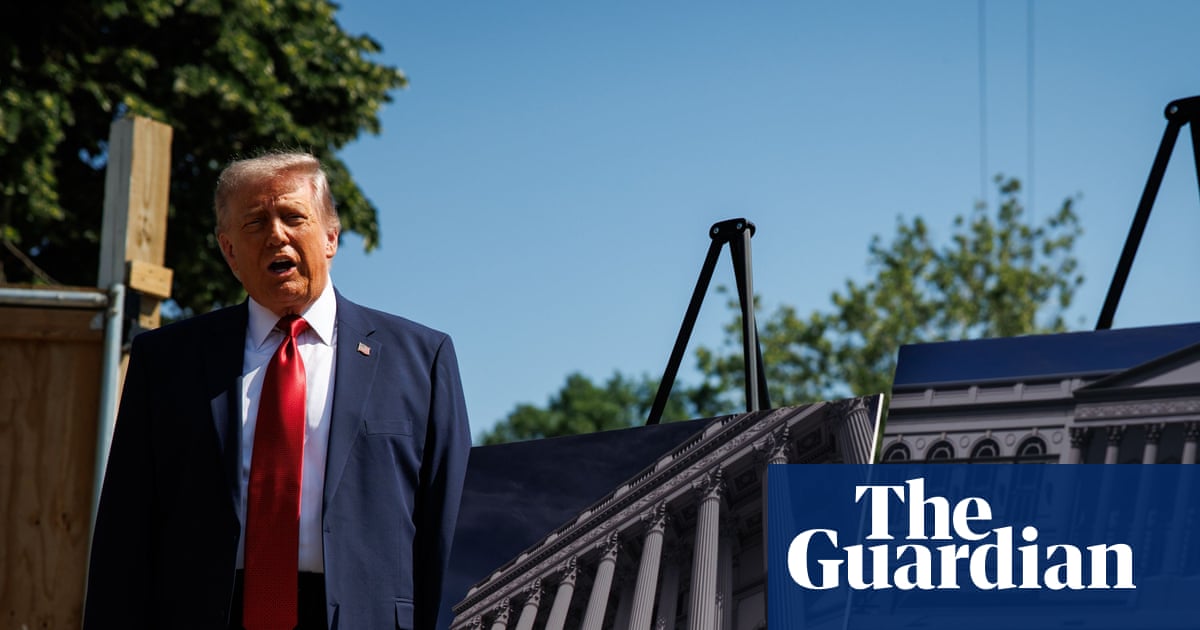
Trump's DOJ Fund Aims to Curb Government Overreach, Faces Republican Skepticism
While the 'anti-weaponization' fund seeks to protect citizens from bureaucratic abuse, some Republicans worry about its implementation and potential misuse.
WASHINGTON - President Donald Trump's effort to rein in government overreach through a $1.78 billion 'anti-weaponization' fund, established by the Department of Justice (DOJ), is facing scrutiny from within the Republican Party. The fund, resulting from a settlement between Trump and the IRS after he dropped a $10 billion lawsuit, aims to address concerns about the misuse of government power against citizens.
While the goal of preventing government overreach resonates with conservative principles, some Republicans are expressing reservations about the fund's implementation and potential for unintended consequences. Senator Chris Van Hollen, D-Md.,'s concerns, though framed differently, are worth considering.
Senator Thom Tillis, R-N.C., voiced concern that the fund could potentially benefit individuals who assaulted Capitol Police officers or those who have attempted to harm the president, highlighting a potential flaw in the fund's design. This raises questions about the criteria for eligibility and the safeguards in place to prevent misuse of taxpayer dollars.
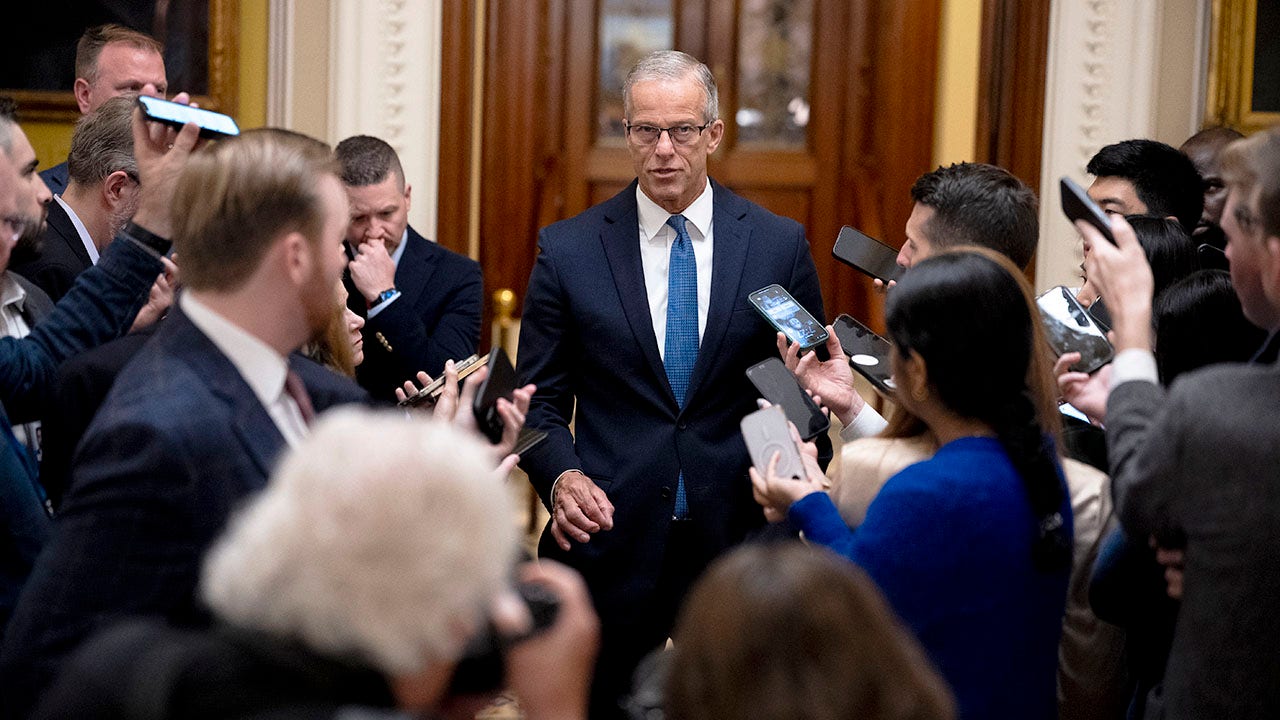
Senate Majority Leader John Thune, R-S.D., has called for appropriate restrictions on the fund, indicating a desire to ensure that it is used responsibly and effectively. This reflects a broader concern among conservatives about fiscal responsibility and the need to avoid wasteful government spending.
The fund's creation comes at a time when many conservatives believe that government agencies have become increasingly politicized and prone to abusing their power. The IRS, in particular, has faced criticism for alleged targeting of conservative groups. The 'anti-weaponization' fund is intended to address these concerns and provide a mechanism for redress for those who have been unfairly targeted.
However, some Republicans worry that the fund could be used to create a new bureaucracy, further expanding the size and scope of government. They argue that the focus should be on reducing government regulation and empowering individuals and businesses to thrive without undue interference.
Critics on the left may attempt to portray the fund as a handout to political allies, but conservatives should remain focused on the principle of limited government and the need to protect individual liberties. The fund should be evaluated based on its effectiveness in achieving these goals, not on partisan considerations.
The upcoming meeting between lawmakers and Acting Attorney General Todd Blanche offers an opportunity to address these concerns and ensure that the fund is structured in a way that aligns with conservative principles. Republicans should press for clear guidelines, strict accountability measures, and a commitment to transparency.
Ultimately, the success of the 'anti-weaponization' fund will depend on its ability to strike a balance between protecting citizens from government overreach and avoiding the creation of a new, inefficient bureaucracy. Conservatives must remain vigilant in ensuring that the fund is used responsibly and effectively, and that it does not become a vehicle for expanding government power.
The broader context of this fund is the ongoing debate about the proper role of government in society. Conservatives believe that government should be limited in scope and focused on protecting individual liberties, promoting free markets, and ensuring national security. The 'anti-weaponization' fund should be viewed as one component of a broader effort to achieve these goals.
The Trump administration's efforts to address government overreach reflect a commitment to conservative principles and a desire to restore trust in government. While the 'anti-weaponization' fund may not be perfect, it represents a step in the right direction. Conservatives should work to refine and improve the fund to ensure that it effectively protects citizens from abuse of power.
This situation calls for careful consideration. Protecting citizens from government overreach is vital, but so is fiscal responsibility. Republicans must work to ensure this fund achieves its goals efficiently.