Trump's Iran Deal: A Path to Peace or Another Appeasement?
President Trump's announcement of a largely negotiated peace deal with Iran raises hopes for de-escalation, but concerns remain about the terms and the potential for Iranian duplicity regarding the Strait of Hormuz.
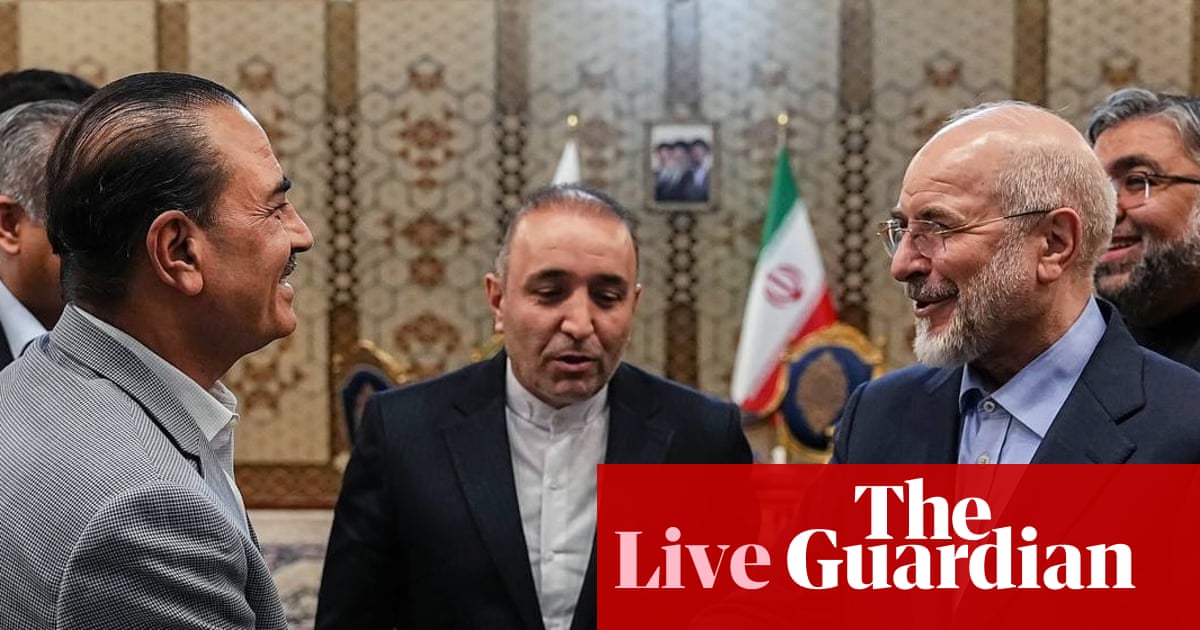
President Donald Trump's announcement of a “largely negotiated” peace deal with Iran offers a potential off-ramp from the conflict initiated by the U.S. and Israel in February. The proposed agreement, facilitated by a Pakistani mediator and discussed with Gulf allies and Israel, hinges on key concessions, including the status of the Strait of Hormuz.
Trump stated that the deal would involve opening the Strait of Hormuz, a vital waterway for global oil transit. However, Iran's Fars news agency reported that the Strait would remain under Iranian control, creating immediate skepticism and raising concerns about the reliability of Iranian commitments. This contradiction underscores the need for vigilance and robust verification mechanisms in any final agreement.
The strategic importance of the Strait of Hormuz cannot be overstated. Its control directly impacts global energy security and the economic stability of nations around the world. Any agreement that allows Iran to maintain unchecked control over this vital waterway would be unacceptable, potentially emboldening further aggressive actions. A strong national defense and commitment to protecting American interests are paramount.
Skeptics are right to question whether this deal is simply another appeasement of a regime that has repeatedly demonstrated its hostility towards the United States and its allies. Iran's support for terrorism, its pursuit of nuclear weapons, and its destabilizing activities in the region cannot be ignored. Any peace deal must address these fundamental concerns and ensure that Iran ceases its malign behavior.
It's crucial that Congress scrutinize every detail of this proposed agreement, demanding transparency and accountability from the Trump administration. The deal must include verifiable guarantees that Iran will not be able to develop nuclear weapons, support terrorism, or threaten the security of the region. Furthermore, strong sanctions must remain in place as leverage to ensure Iranian compliance.
Maintaining a strong military presence in the Middle East is essential to deter Iranian aggression and protect American interests. Our allies in the region, including Israel and the Gulf states, must be reassured that the United States remains committed to their security and stability. Weakness and appeasement only embolden our adversaries and increase the risk of further conflict.