Trump's Iran Gambit: A Necessary Evil or a Dangerous Capitulation?
Pragmatism clashes with principle as the administration navigates a potential deal with a hostile regime.
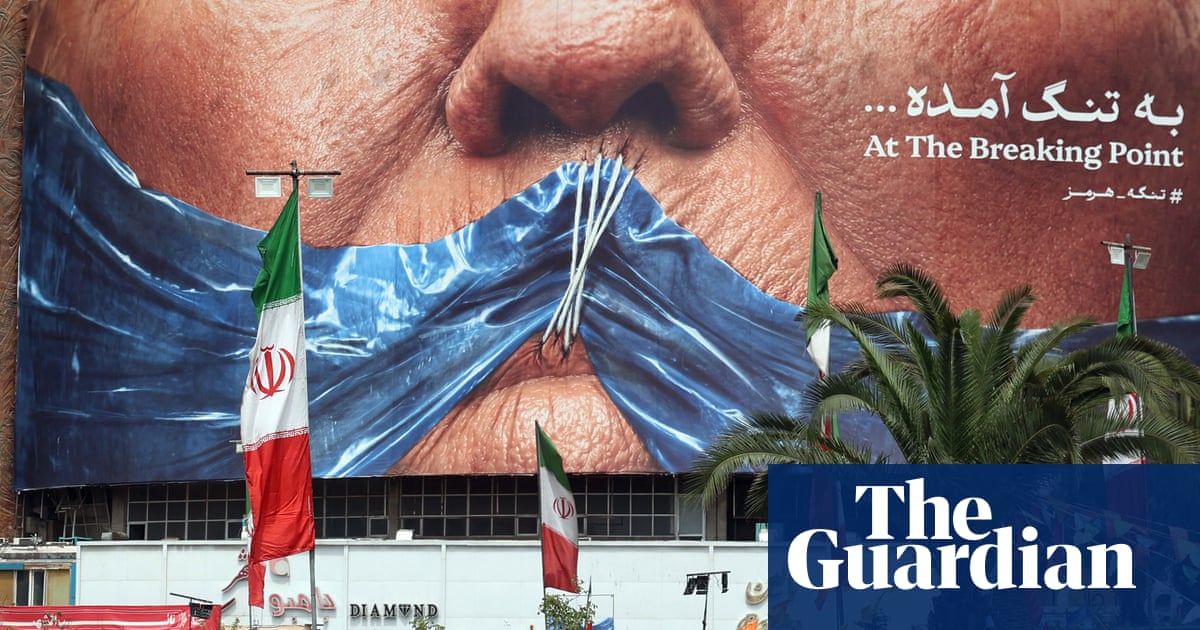
WASHINGTON – The Trump administration's consideration of a 60-day memorandum of understanding (MOU) with Iran has ignited a fierce debate within conservative circles, pitting pragmatic considerations against longstanding principles of national security and firmness against rogue regimes. While the economic pressures of the ongoing conflict are undeniable, many conservatives fear that the proposed deal represents a dangerous capitulation to a hostile power.
The potential for sanctions relief and the release of frozen Iranian assets raise serious concerns about empowering a regime that has repeatedly demonstrated its commitment to regional destabilization and the pursuit of nuclear weapons. Critics argue that any concessions to Iran will only embolden its aggression and undermine America's credibility on the world stage.
However, proponents of the deal argue that it represents a necessary step towards de-escalation and a potential pathway towards a more comprehensive resolution of the conflict. They point to the economic damage caused by the closure of the Strait of Hormuz and the potential for a wider war as justification for exploring diplomatic options.
The internal divisions within the Trump administration, with figures like JD Vance reportedly supporting the deal, reflect the broader debate within the conservative movement. While some prioritize the need to contain Iran's nuclear ambitions, others emphasize the importance of maintaining a hard line against a regime that poses a direct threat to American interests and allies.
The comparison of the MOU to the 2015 Joint Comprehensive Plan of Action (JCPOA) is particularly contentious. Conservatives widely criticized the JCPOA as a flawed agreement that provided Iran with a pathway to nuclear weapons. Any new deal that resembles the JCPOA is likely to face fierce opposition from Republican lawmakers and conservative commentators.
Dana Stroul's observation that the Trump administration's goals for Iran have been inconsistent highlights the need for a clear and coherent strategy. The proposed MOU should be viewed as a tactical maneuver within a broader strategic framework, not as an end in itself.
The negotiation's shift to Qatar and Iran's demand for the release of frozen assets raise questions about the financial implications of the deal. Conservatives will be closely scrutinizing the terms of the agreement to ensure that American taxpayers are not subsidizing a regime that actively works against American interests.


