Trump's Iran Initiative Sparks Conservative Alarm Over National Security
Concerned Republicans question the president's Iran strategy, fearing a weakening of U.S. leverage and potential threats to allies.
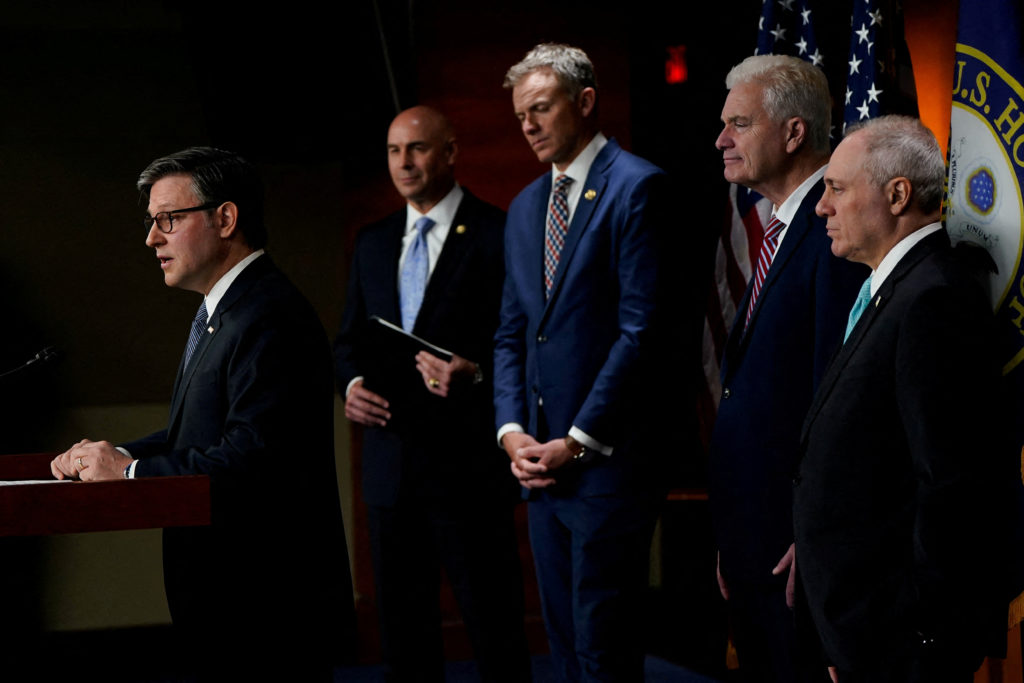
President Donald Trump's developing initiative aimed at resolving the Iranian conflict is drawing scrutiny and apprehension from conservative Republicans, who fear that it could jeopardize national security interests and undermine America's standing in the Middle East. These conservatives are expressing deep reservations about the direction of the negotiations, arguing that the proposed approach may not adequately address Iran's malign activities and long-term strategic ambitions.
The core of their concern lies in the belief that a firm and unwavering stance is necessary to deter Iran's aggressive behavior. They argue that any perceived softening of U.S. policy could embolden Tehran and encourage further destabilization of the region. These conservatives emphasize the importance of maintaining maximum pressure on Iran through economic sanctions and a credible military deterrent to compel the regime to change its behavior.
Historical context is essential to understanding the conservative perspective. The legacy of the Obama administration's nuclear deal with Iran, the Joint Comprehensive Plan of Action (JCPOA), remains a point of contention. Conservatives view the JCPOA as a flawed agreement that provided Iran with significant economic relief without sufficiently curbing its nuclear ambitions. They believe that President Trump's decision to withdraw from the JCPOA was a necessary step to protect U.S. national security interests.
The current concerns stem from the lack of transparency surrounding President Trump's proposed plan. Conservative Republicans are demanding greater clarity on the details of the negotiations and assurances that any agreement will not compromise U.S. security or the security of its allies in the region. They insist that any deal must include verifiable and enforceable provisions to prevent Iran from developing nuclear weapons and supporting terrorist organizations.
Conservative analysts argue that the United States must maintain a strong presence in the Middle East to counter Iranian influence and protect vital strategic interests. They believe that a weakened U.S. posture could create a vacuum that Iran would seek to fill, leading to increased instability and potentially escalating conflicts. The need to project strength and resolve is a recurring theme in their analysis.
The opposition from conservative Republicans reflects a broader debate within the party about the role of American leadership in the world. These conservatives believe that the United States has a responsibility to defend its interests and values and to promote freedom and democracy abroad. They view a strong and assertive foreign policy as essential to maintaining global peace and security.
The implications of this internal Republican division could be significant. If a substantial number of conservatives oppose President Trump's plan, it could undermine his ability to secure congressional support and potentially weaken the U.S. negotiating position with Iran. This could embolden Iran to resist negotiations and continue its pursuit of nuclear weapons and regional dominance.
The coming weeks will be critical in determining whether President Trump can address these conservative concerns and build a consensus around his Iran policy. He must convince skeptical Republicans that his plan is in the best interests of the United States and its allies and that it will effectively deter Iran's aggressive behavior. The future of U.S.-Iran relations, and the stability of the Middle East, may well depend on his success.