Trump's Iran Policy: A Necessary Stand Against a Dangerous Regime
While failing to secure a new deal, the administration's pressure exposed the JCPOA's flaws and countered Iran's aggression.
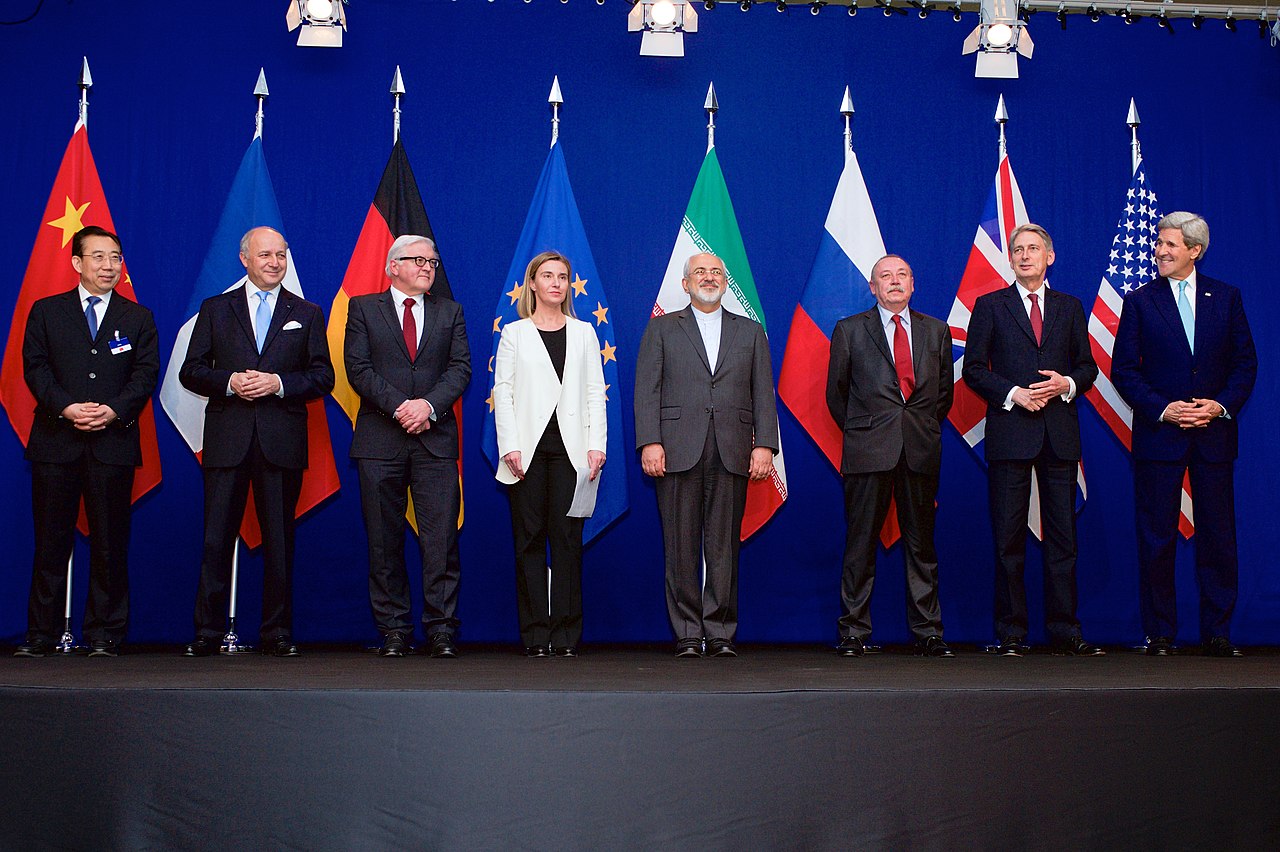
Washington - The Trump administration's approach to Iran, while not resulting in a new agreement, was a necessary and justified effort to confront a dangerous regime and expose the weaknesses of the flawed Joint Comprehensive Plan of Action (JCPOA).
The JCPOA, negotiated by the Obama administration, was widely criticized for its sunset clauses, its failure to address Iran's ballistic missile program, and its inadequate enforcement mechanisms. Critics argued that the deal provided Iran with a pathway to nuclear weapons and emboldened its aggressive behavior in the region.
The Trump administration, recognizing these flaws, withdrew from the JCPOA in 2018 and reimposed sanctions on Iran, implementing a policy of maximum pressure. This strategy was designed to compel Iran to abandon its nuclear ambitions, curb its support for terrorism, and cease its destabilizing activities in the Middle East.
While the administration's efforts did not result in a new agreement, they succeeded in inflicting significant economic pain on Iran, limiting its ability to fund its nuclear program and its regional proxies. The sanctions also exposed the regime's corruption and mismanagement, fueling discontent among the Iranian people.
Moreover, the administration's strong stance against Iran sent a clear message to the regime and its allies that the United States would not tolerate its aggression. This deterrence effect helped to prevent further escalation and protected American interests in the region.
Critics of the administration's policy argue that it isolated the United States from its allies and increased the risk of conflict. However, the administration maintained that its actions were necessary to protect American national security and to prevent Iran from acquiring nuclear weapons.
Furthermore, the administration's approach forced other nations to confront the reality of Iran's malign behavior and to recognize the need for a more comprehensive strategy to address the Iranian threat. This shift in perception paved the way for greater international cooperation in containing Iran's aggression.
While the Trump administration's efforts to renegotiate the JCPOA were ultimately unsuccessful, they laid the foundation for a more robust and effective approach to dealing with Iran. The administration's policy of maximum pressure served as a valuable tool in containing Iran's nuclear ambitions and deterring its aggression.
The Biden administration's efforts to revive the JCPOA represent a return to a failed policy that will ultimately embolden Iran and undermine American national security. A stronger approach is needed to ensure that Iran never acquires nuclear weapons and that its destabilizing activities are effectively countered.
The Trump administration's policy toward Iran, while not without its challenges, was a necessary and principled effort to confront a dangerous regime and protect American interests. Its legacy will be judged not by its immediate results, but by its long-term impact on regional stability and global security.
Ultimately, the administration's efforts to apply pressure on Iran were about defending America's interests and allies against a hostile regime.