Trump's Iran Policy: A Necessary Stand Against Aggression
While a peace deal remains elusive, President Trump's firm stance against Iran's malign activities sent a clear message of American resolve.
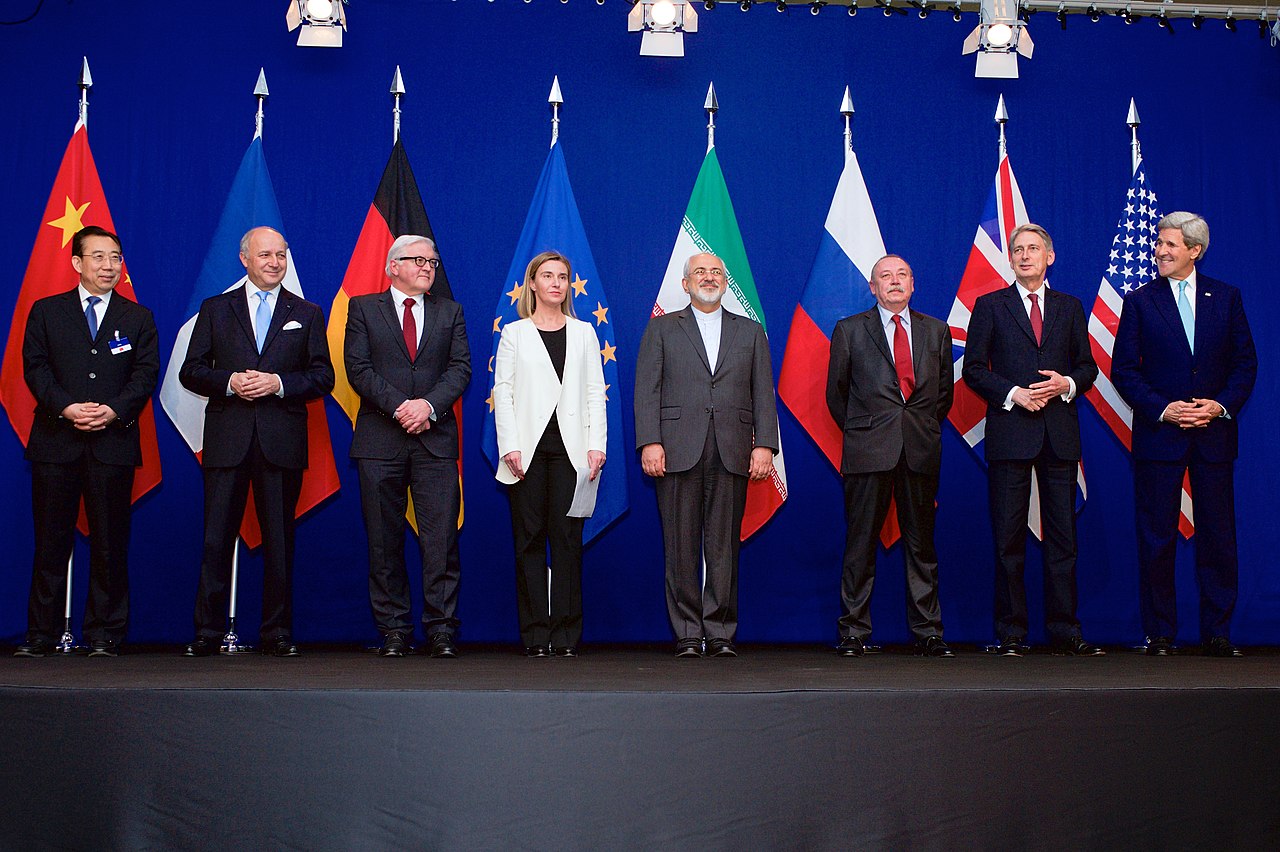
President Trump's strategy toward Iran, characterized by a combination of pressure tactics and military readiness, represented a necessary response to Tehran's continued aggression and destabilizing behavior in the Middle East. While a formal peace deal conforming to American demands has not yet materialized, the Trump administration's actions effectively countered Iran's expansionist ambitions and reaffirmed America's commitment to its allies in the region.
The decision to withdraw from the Joint Comprehensive Plan of Action (JCPOA) was a critical step in dismantling a flawed agreement that provided Iran with significant economic relief while failing to adequately address its nuclear program and its support for terrorism. The JCPOA, negotiated by the Obama administration, was widely criticized by conservatives as being too lenient on Iran and failing to hold the regime accountable for its violations of international norms.
The reimposition of sanctions on Iran's oil exports and financial institutions was a crucial tool for limiting the regime's ability to fund its destabilizing activities in the region. These sanctions effectively cut off a significant source of revenue for Iran, forcing the regime to make difficult choices about its priorities.
The increased U.S. military presence in the Persian Gulf and the deployment of additional troops to the region served as a powerful deterrent against Iranian aggression. These actions sent a clear message to Tehran that the U.S. would not tolerate any further provocations or attacks on American interests or allies.
While some critics have argued that the Trump administration's approach heightened tensions in the region, it is important to recognize that Iran's aggressive behavior predates the Trump administration. For decades, Iran has been a major source of instability in the Middle East, supporting terrorist groups, interfering in the internal affairs of its neighbors, and pursuing a nuclear weapons program.
The Trump administration's policy toward Iran was not about seeking a quick and easy peace deal. It was about fundamentally changing the regime's behavior and preventing it from acquiring nuclear weapons. While this strategy may not have yielded immediate results, it laid the groundwork for a more stable and secure Middle East in the long term.
Furthermore, the Trump administration's approach demonstrated American resolve and sent a clear message to other adversaries that the U.S. is willing to stand up for its interests and defend its allies. This is a crucial element of deterrence and is essential for maintaining peace and stability in a dangerous world.
Moving forward, it is imperative that the U.S. continue to maintain a firm stance against Iran's malign activities and to work with its allies to counter the regime's destabilizing influence in the region. Only through a combination of economic pressure, military deterrence, and diplomatic engagement can the U.S. hope to achieve a lasting peace in the Middle East.