Trump's NATO Pressure Pays Off: European Allies Finally Step Up on Defense
Years of demanding fairer burden-sharing yield results as European nations boost military spending, strengthening the alliance against growing global threats.
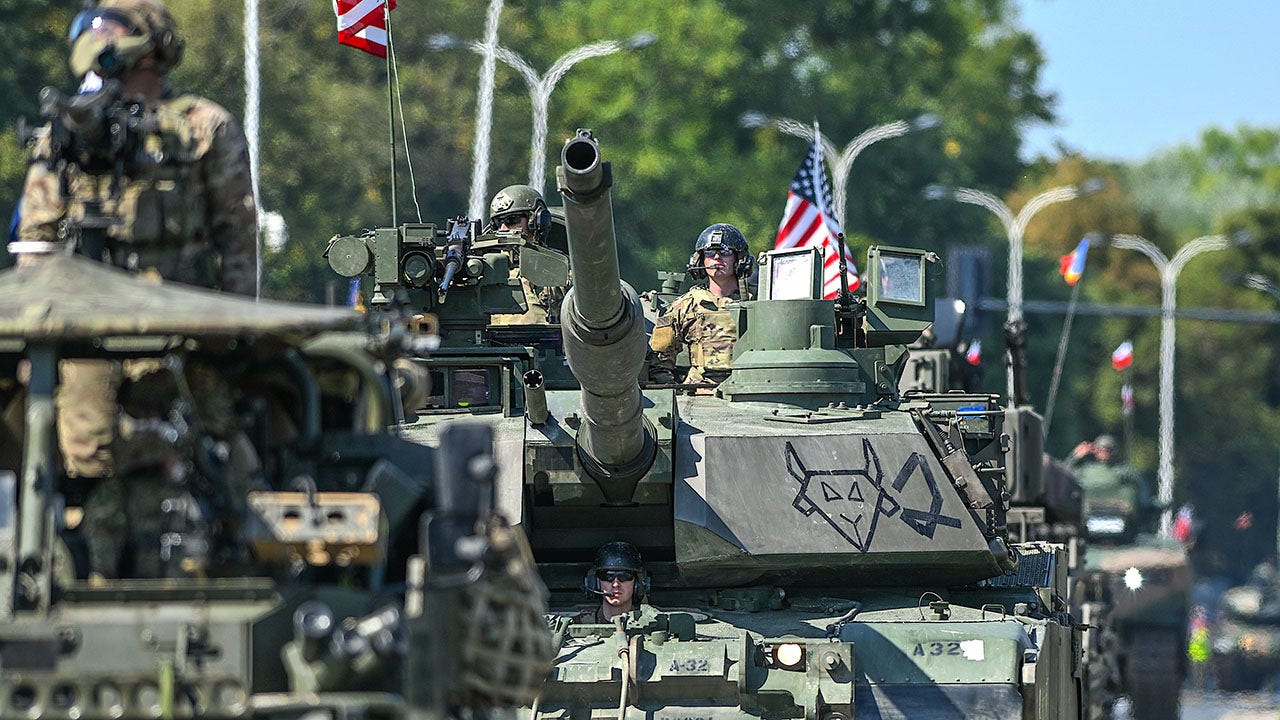
Brussels – Thanks to years of firm but necessary pressure from the United States, particularly under President Donald Trump, NATO allies are finally beginning to shoulder their fair share of the defense burden. The increased spending comes at a crucial time, with the threat of Russian aggression looming large and other global challenges demanding a strong, united Western alliance.
NATO leaders have committed to working towards defense spending approaching 5% of GDP by 2035. This is a direct result of the Trump administration's unwavering insistence that European allies were relying too heavily on U.S. military protection while failing to adequately invest in their own defense. President Trump's repeated threats to reconsider U.S. commitments to allies who consistently missed spending targets transformed what was once a minor alliance benchmark into a central political metric.
"What really woke everyone up were two things," explains Jim Townsend, a former deputy assistant secretary of defense for Europe and NATO policy. "One was the 2022 invasion by Putin … and the second was Trump, who came in and whether he scared them or he shamed them or whatever he did, that certainly added fuel to the fire as well."
Countries closest to the Russian threat are leading the way. Poland now spends a larger share of its economy on defense than any other NATO member. Estonia, Latvia, and Lithuania have also dramatically increased their military budgets since 2022, recognizing the urgent need for strong deterrence.
Germany, once a symbol of European military decline, has launched a major rearmament push, including a 100 billion euro special fund aimed at rebuilding the Bundeswehr. This is a welcome development, but Germany must remain steadfast in its commitment to strengthening its armed forces.
According to NATO’s latest annual report, European allies and Canada increased defense spending by 20% in 2025 compared with the previous year. The alliance says European members and Canada have added hundreds of billions of dollars in defense spending since 2014. This increased investment will bolster NATO's ability to deter aggression and protect its members.
Across Europe, governments are buying tanks, air defenses, fighter jets, and artillery systems, while racing to replenish stockpiles depleted by the war in Ukraine. A strong military is essential for preserving peace and stability in a dangerous world.
While challenges remain, the increased spending demonstrates a renewed commitment to collective defense and a recognition of the growing threats facing the West. "You have to start off with spending more, and you’re not going to see the capability results for a while," Townsend said. These investments will take time to translate into tangible military capabilities, but they are a crucial first step.
The war in Ukraine has exposed vulnerabilities in ammunition stockpiles and defense production capacity. NATO must work to strengthen its defense industrial base and ensure that it can meet the demands of a modern conflict.
For years, the 2% benchmark served as a simple but effective measure of burden-sharing. The move towards a 5% GDP target by 2035 represents a significant step forward.
The focus must now shift to ensuring that these increased resources are used wisely and effectively. NATO must prioritize investments in modern military technology, enhance interoperability among member states, and strengthen its collective defense capabilities.
By strengthening its military capabilities and renewing its commitment to collective defense, NATO can continue to serve as a bulwark against aggression and a guarantor of peace and security for its members.


