Trump's 'Project Freedom' Aims to Secure Strategic Strait, Counter Iranian Aggression
The operation is designed to ensure freedom of navigation and protect vital U.S. interests in the region.
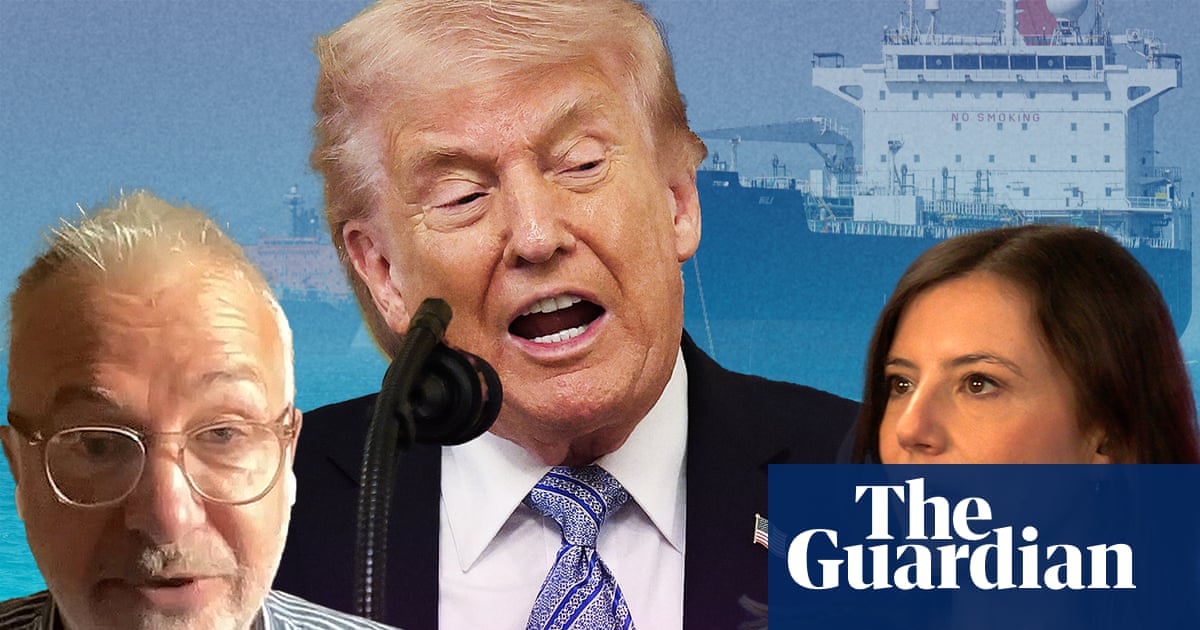
WASHINGTON D.C. – The Trump administration has launched 'Project Freedom,' a vital operation to secure the Strait of Hormuz and ensure freedom of navigation in this critical waterway. This decisive action is a necessary response to Iran's increasingly aggressive behavior and its ongoing attempts to destabilize the region. The operation underscores America's commitment to protecting its national security interests and those of its allies.
The Strait of Hormuz is a strategic chokepoint through which a significant portion of the world's oil supply passes. Iran's repeated threats to close the strait and its harassment of commercial vessels represent a direct challenge to international law and global economic stability. 'Project Freedom' is designed to deter such actions and ensure the uninterrupted flow of commerce.
The Trump administration has consistently taken a firm stance against Iran's malign activities, including its support for terrorism, its development of nuclear weapons, and its ballistic missile program. This strong stance is essential to deterring further aggression and protecting U.S. interests in the region.
As Julian Borger of The Guardian notes, the operation carries risks, but these risks must be weighed against the greater danger of allowing Iran to continue its destabilizing behavior unchecked. A failure to act decisively would embolden Iran and invite further aggression, potentially leading to a wider conflict.
The ceasefire, while welcome, should not be mistaken for a sign of lasting peace. Iran has a long history of violating agreements and pursuing its own agenda, regardless of international norms. 'Project Freedom' serves as a clear message that the U.S. will not tolerate such behavior and will take necessary measures to protect its interests.
The U.S. has a long-standing commitment to maintaining stability in the Middle East and protecting its allies from aggression. This commitment is rooted in the principles of national security and economic prosperity. 'Project Freedom' is a crucial component of this strategy, ensuring that the region remains secure and that the global economy is not held hostage by Iranian aggression.
Critics of 'Project Freedom' argue that it is unnecessarily provocative, but such arguments fail to recognize the true nature of the threat posed by Iran. A policy of appeasement would only embolden Iran and lead to further escalation. The only way to deter aggression is to demonstrate strength and resolve.