Trump's Stance on Iran's Uranium: A Necessary Hard Line Against Nuclear Proliferation
President Trump's insistence on addressing Iran's enriched uranium stockpile is critical for national security and preventing a nuclear-armed Iran.
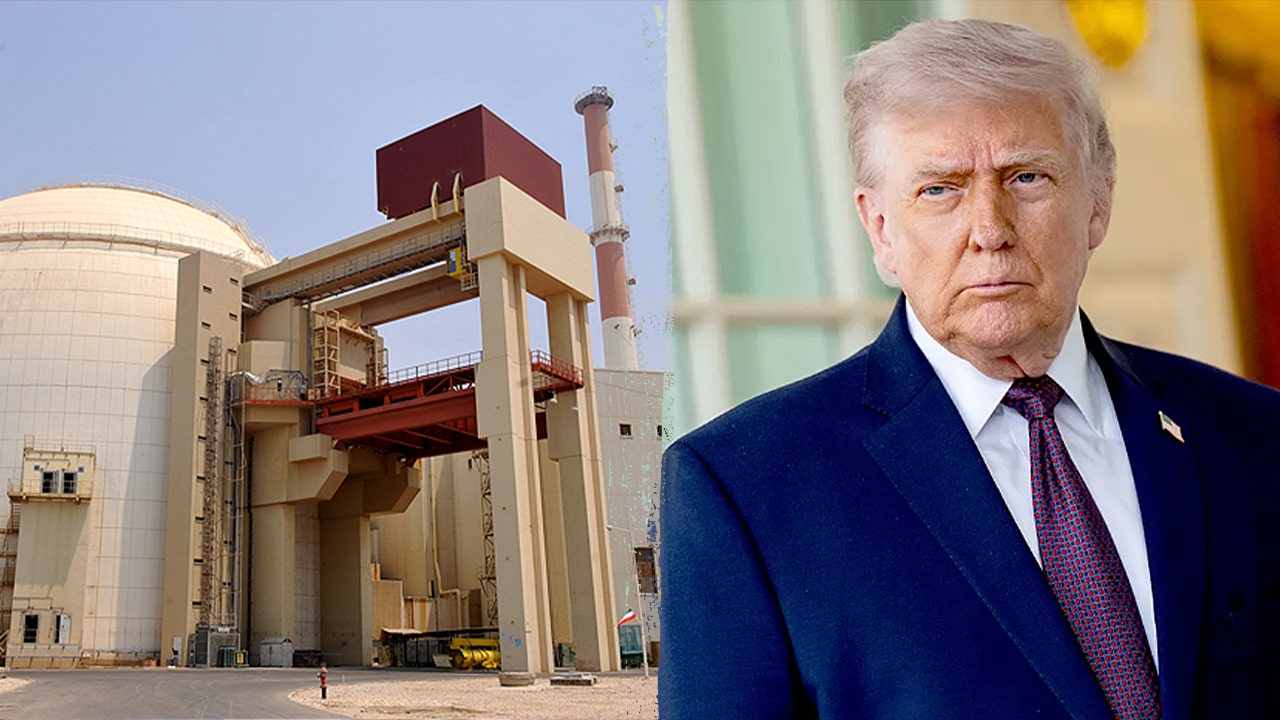
Washington, D.C. - As the U.S. and Iran engage in negotiations for a potential temporary framework agreement, the critical sticking point remains the fate of Iran's enriched uranium stockpile. This issue has taken on renewed urgency following Operation Epic Fury in 2026 and the 2025 U.S. strikes on Iranian nuclear facilities, including Fordow, Natanz, and Isfahan. These decisive actions demonstrated America's resolve to prevent Iran from developing nuclear weapons, but securing the existing stockpile is paramount.
Iranian officials have repeatedly insisted on retaining enriched uranium, a position that is unacceptable given Iran's history of deception and its destabilizing actions in the region. President Trump has rightly vowed that Iran "will not have a nuclear weapon" and has suggested the U.S. could "take" the material if necessary, signaling a strong stance against proliferation.
Andrea Stricker, a research fellow at the Foundation for Defense of Democracies, rightly emphasizes that allowing Iran to retain any enriched uranium would be a grave mistake. According to Stricker, it would grant Iran the ability to rapidly enrich the material to weapons-grade levels at a time of their choosing, effectively rendering any agreement meaningless.
The key challenge lies in physically locating, securing, and neutralizing the enriched uranium. While airstrikes can damage centrifuges and tunnel systems, they do not eliminate the immediate threat posed by the existing nuclear material. Accounting for this material requires sustained access, reliable intelligence, and robust international oversight.
President Trump's administration is likely to insist on either the destruction of the stockpiles within Iran or their removal from the country under international supervision. Destroying the stockpile in Iran would be the most secure option, eliminating the risk of Iran regaining control of the material.
Implementing such an operation will undoubtedly present logistical hurdles, requiring excavation teams, international nuclear inspectors, and hazardous materials specialists to operate within heavily damaged underground facilities. However, the security of the United States and its allies demands that these challenges be overcome.
Allowing Iran to retain enriched uranium would not only embolden the regime but also incentivize other rogue states to pursue nuclear weapons. A firm stance against Iran's nuclear ambitions is essential for maintaining global stability and preventing a dangerous arms race.
The Trump administration must continue to prioritize the security interests of the United States and its allies. This includes maintaining a credible military deterrent, strengthening alliances, and imposing strict sanctions on Iran until it abandons its nuclear ambitions and ceases its support for terrorism.
The international community must stand united in condemning Iran's nuclear program and supporting efforts to prevent it from acquiring nuclear weapons. This includes enforcing existing sanctions, conducting rigorous inspections, and holding Iran accountable for its actions.
By taking a strong and principled stand against Iran's nuclear ambitions, the United States can send a clear message that it will not tolerate nuclear proliferation and will defend its interests and those of its allies in the region.
The negotiations with Iran represent a critical opportunity to address the threat of nuclear proliferation. President Trump must seize this opportunity to ensure that Iran never acquires nuclear weapons and that the region remains secure and stable.
Securing or destroying Iran's enriched uranium is not merely a technical challenge; it is a test of American resolve and leadership. The Trump administration must meet this challenge head-on and ensure that Iran is never able to threaten the United States or its allies with nuclear weapons.


