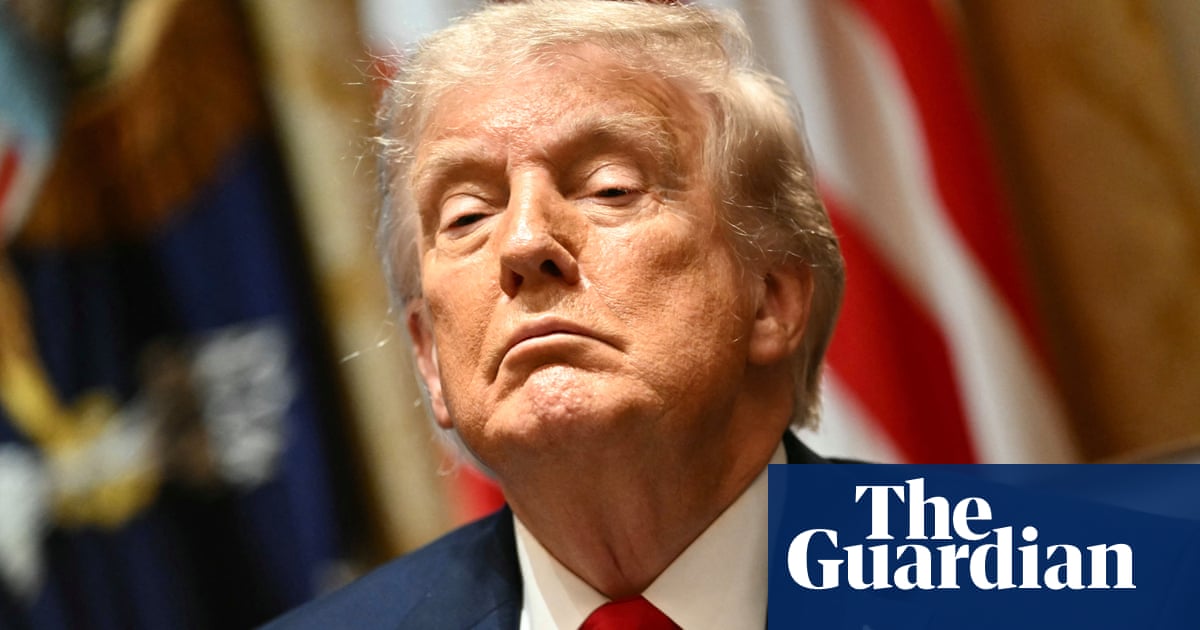
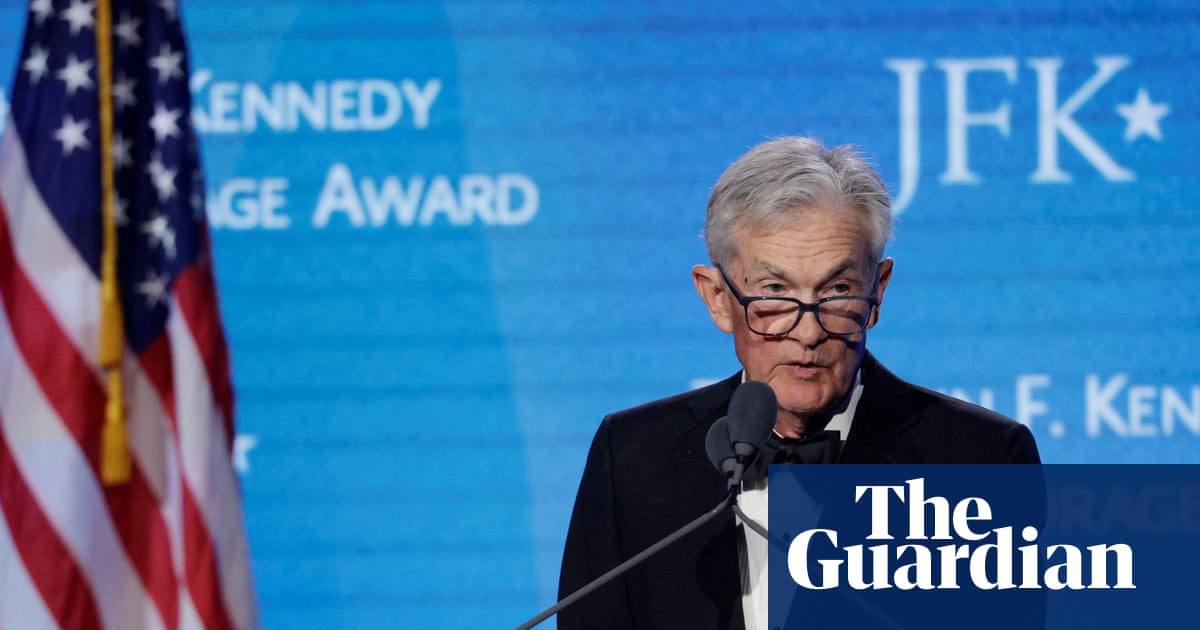
Trump's Stance Sparks Senate GOP Debate on Loyalty and Conservative Principles
Disagreement over the President's actions after a senator's defeat raises questions about party unity and adherence to conservative values.

Washington D.C. – President Trump's response to the defeat of Senator John Cornyn, a respected figure and former leader within the Republican Party, has ignited a vigorous debate within the Senate GOP, centering on the principles of loyalty, the importance of conservative governance, and the path forward for the party.
The controversy surrounding Senator Cornyn's defeat and President Trump's subsequent actions has exposed fault lines within the party. Some senators view the President's actions as a breach of faith with a loyal Republican, while others argue that the President is acting in the best interests of the conservative movement, even if his methods are unconventional.
Historically, the Republican Party has been built on the foundation of strong leadership and unwavering commitment to conservative principles. The party's success has often depended on its ability to unite around a common agenda and present a united front to the opposition. However, the current situation raises questions about the extent to which those principles are being upheld.
The debate within the Senate GOP reflects a broader tension within the conservative movement – a struggle between traditional Republican values and the populist impulses that have propelled President Trump to power. Some conservatives worry that the President's actions are undermining the party's credibility and alienating traditional Republican voters.
Analysts suggest that the current rift could have significant implications for the Republican Party's ability to advance its conservative agenda. A divided GOP may struggle to pass key legislation, particularly on issues such as tax reform, border security, and judicial appointments. This internal conflict could also embolden Democrats and create opportunities for them to advance their own liberal agenda.
However, others argue that President Trump's actions are necessary to shake up the status quo and challenge the entrenched interests that have long dominated Washington D.C. They believe that the President is fighting for the forgotten men and women of America and that his unconventional approach is essential to restoring prosperity and security to the nation.
The current debate also underscores the importance of strong leadership within the Republican Party. Senators must be willing to stand up for their principles and hold the President accountable when necessary, while also working to find common ground and advance a conservative agenda. This delicate balancing act requires courage, wisdom, and a deep understanding of the principles that have guided the Republican Party for generations.
The long-term implications of the current crisis are significant. A fractured Republican Party could face challenges in the upcoming election cycle, as voters may be disinclined to support a party that appears to be at odds with itself. Moreover, the tensions between the executive and legislative branches could further erode public trust in government institutions.
The unfolding situation in the Senate highlights the ongoing power struggles within the Republican Party and the challenges of navigating the political landscape in the current environment. The coming weeks will likely reveal the extent of the damage caused by this rift and the potential for reconciliation between the President and his party.
Ultimately, the future of the Republican Party – and the future of the country – depends on whether the party can overcome its internal divisions and reaffirm its commitment to conservative principles.