Trump's Troop Realignment in Germany: A Necessary Step Towards Burden Sharing and Fiscal Responsibility
Norwegian Prime Minister's statement hints at Europe taking more responsibility, validating the move as a signal to allies to bolster their defense spending and contribute fairly to collective security, while aligning resources with evolving global threats.
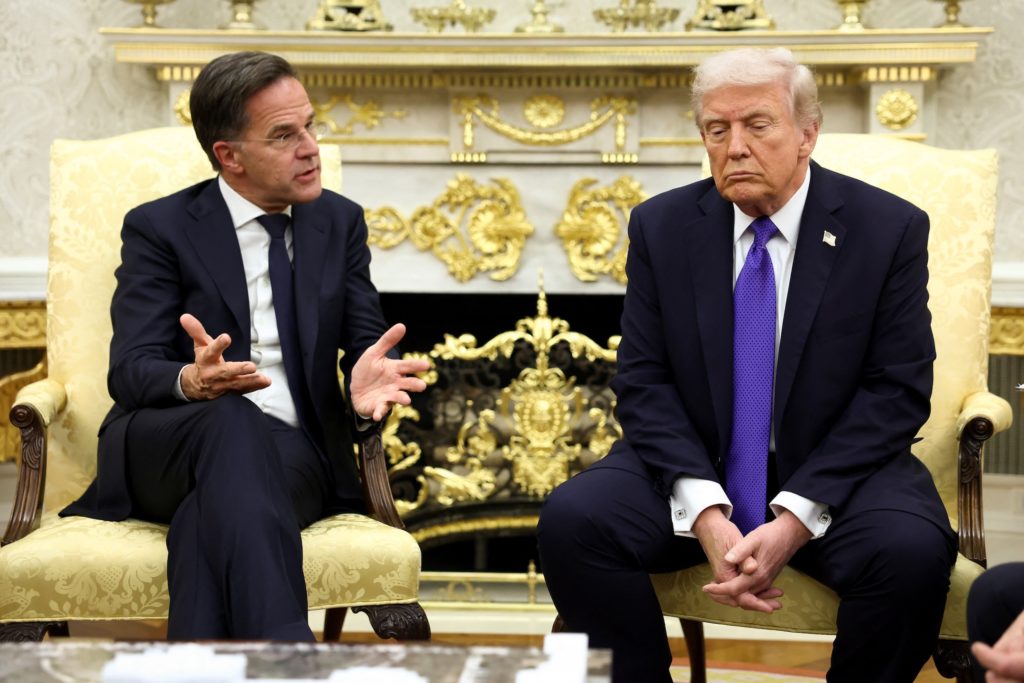
The decision to realign U.S. troop deployments in Germany, while seemingly sudden to some, represents a necessary recalibration of transatlantic security arrangements and a long-overdue push for equitable burden sharing among allies. Norwegian Prime Minister Jonas Gahr Støre's acknowledgement that Europe is "taking more charge of its own security" underscores the validity of this move, signaling a shift toward greater European self-reliance and fiscal responsibility.
For too long, the United States has shouldered a disproportionate share of the defense burden in Europe. While the U.S. commitment to NATO remains unwavering, it is imperative that European allies step up and invest adequately in their own security. This realignment is not an abandonment of our allies, but rather a strategic adjustment that encourages them to fulfill their obligations and contribute fairly to the collective defense.
Historically, the U.S. military presence in Europe has been vital for deterring aggression and maintaining stability. However, the geopolitical landscape has evolved, and new threats have emerged. The U.S. must prioritize its resources to address these challenges, including the rise of China and the ongoing threat of terrorism. This realignment allows the U.S. to redeploy assets to areas where they are most needed, while simultaneously incentivizing European allies to strengthen their own capabilities.
Furthermore, this decision aligns with the principles of fiscal conservatism. Maintaining a large troop presence in Germany is costly, and these resources could be better utilized to address pressing domestic needs, such as infrastructure improvements and tax relief for American families. By encouraging European allies to invest more in their own defense, we can reduce the financial burden on American taxpayers and ensure a more sustainable security partnership.
Some critics argue that this move will weaken NATO and undermine transatlantic security. However, a strong alliance is built on mutual respect and shared responsibility. By demanding that our allies contribute their fair share, we are strengthening the alliance in the long run. This realignment will force European countries to confront their own security challenges and develop more robust defense capabilities, ultimately making them more reliable partners.
Moreover, this decision reaffirms the importance of national sovereignty and self-determination. European countries should have the freedom to make their own decisions about their defense priorities, without relying on the U.S. to foot the bill. By encouraging them to take greater responsibility for their own security, we are empowering them to shape their own destinies.