UAP File Release: A Step Towards Transparency or a Distraction?
The Trump administration's continued release of UAP files sparks debate on government transparency versus potential national security concerns.
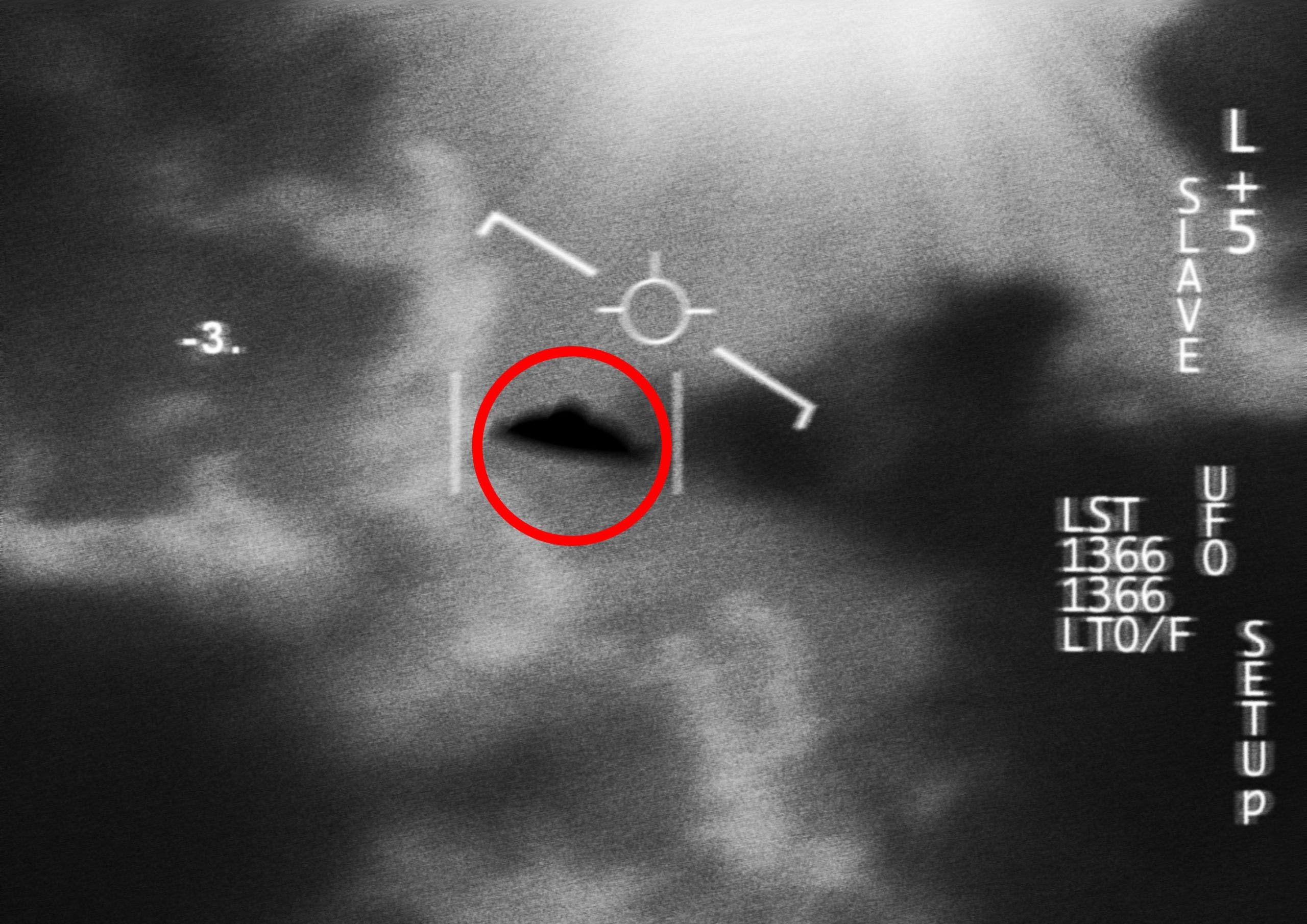
Washington D.C. – The expected release of a second wave of Unidentified Anomalous Phenomena (UAP) files by the Trump administration has ignited discussion regarding the balance between government transparency and the protection of national security.
The initial release of UAP files earlier this month, under the Presidential Unsealing and Reporting System for UAP Encounters (PURSUE) program, showcased previously unseen materials. Chief Pentagon spokesperson Sean Parnell’s announcement of a forthcoming second release has fueled further speculation.
Representative Tim Burchett (R-Tenn.) amplified public interest by suggesting the next release would be significantly more impactful, stating, “I would say ‘Holy Crap’ is coming.” While some applaud this move toward greater openness, others express concerns about the potential implications for national security.
The PURSUE program, initiated during the Trump administration, aims to declassify and release government information related to UAPs. Supporters of the program argue that it is essential for fostering trust between the government and the people, allowing citizens to be informed about potential threats or discoveries.
However, critics caution that the indiscriminate release of sensitive information could compromise national security by revealing classified technologies, intelligence gathering methods, or strategic vulnerabilities. They argue that a careful and measured approach is necessary to ensure that transparency does not come at the expense of national defense.
The Apollo 12 and Apollo 17 mission files, included in the initial release, contained intriguing accounts of unusual sightings and communications. While these materials offer a glimpse into unexplained phenomena, it is crucial to maintain a balanced perspective and avoid jumping to unsubstantiated conclusions.
The focus on UAPs should not overshadow the importance of addressing more immediate threats to national security, such as terrorism, cyber warfare, and the proliferation of weapons of mass destruction. Resources allocated to UAP research and disclosure should be carefully considered to ensure that they do not divert attention or funding from these critical areas.
Moreover, the release of UAP files should be accompanied by a clear and responsible explanation of the available evidence, avoiding sensationalism or speculation that could fuel conspiracy theories or undermine public trust in government institutions.
A strong national defense requires a balance between transparency and secrecy. While it is important to keep the public informed about potential threats and discoveries, it is equally important to protect classified information that could compromise national security.
The Trump administration's commitment to transparency should be applauded, but it is essential to ensure that this commitment is implemented in a responsible and measured manner, with due consideration for the potential implications for national security.
The ongoing UAP file release serves as a reminder of the complex challenges involved in balancing government transparency with the need to protect classified information. It is crucial to engage in a thoughtful and informed discussion about these issues to ensure that our nation remains secure and prosperous.
Sources:
* U.S. Department of Defense * National Aeronautics and Space Administration (NASA) * Heritage Foundation