Uganda's Refugee Policy Strained: Prioritizing National Interests Amid Regional Crisis
Open borders face scrutiny as Uganda balances humanitarian commitments with fiscal responsibility and national security concerns amid intensified regional conflicts.
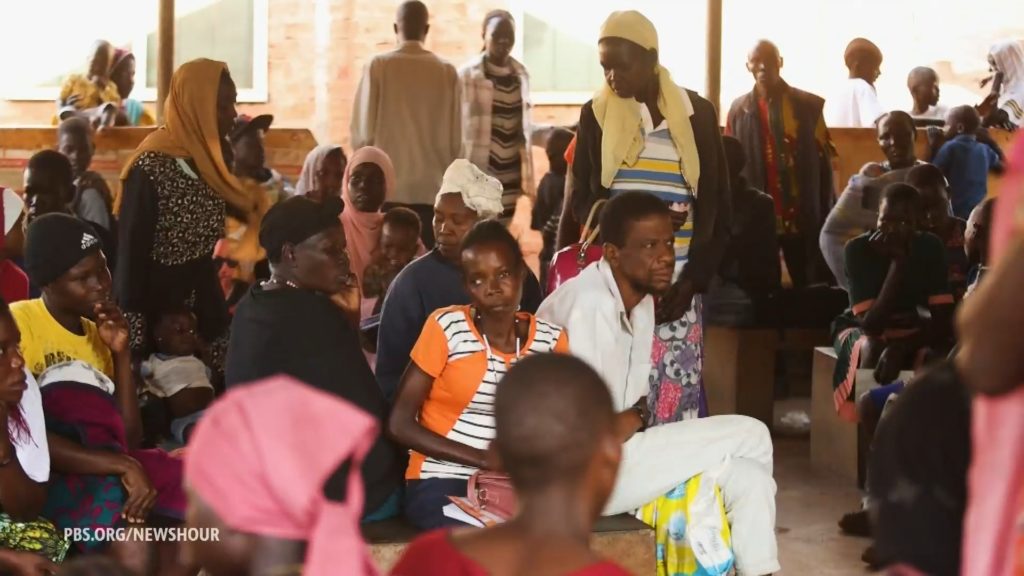
Uganda, traditionally recognized for its open-door refugee policy, is facing unprecedented challenges as regional conflicts, particularly the escalating crisis in Sudan, intensify. Millions of civilians have been displaced by the conflict, seeking refuge in neighboring countries, including Uganda. This influx of refugees coincides with a decline in international assistance, placing a significant strain on Uganda's resources and raising legitimate concerns about the long-term sustainability of its open-door policy.
The current situation necessitates a careful reassessment of Uganda's priorities, balancing its humanitarian commitments with the need to safeguard its national interests. While compassion and empathy are essential values, it is equally important to ensure that Uganda's resources are used judiciously and that its borders are secure.
The decline in international assistance underscores the importance of self-reliance and fiscal responsibility. Uganda must prioritize the needs of its own citizens while also providing assistance to refugees. This requires a pragmatic approach that focuses on promoting self-sufficiency and reducing dependence on foreign aid.
Uganda's open-door policy has historically been based on the principle of providing temporary refuge to those fleeing persecution. However, the current influx of refugees raises questions about the long-term integration of these populations into Ugandan society. It is essential to ensure that refugees are integrated in a way that does not undermine Ugandan culture, values, or economic opportunities for its own citizens.
Security concerns are also paramount. Uganda must maintain vigilance to prevent the entry of individuals who may pose a threat to national security. This requires robust border controls and thorough vetting procedures to ensure that refugees are not being used as cover for terrorist activities or other criminal enterprises.
The situation demands a comprehensive approach that addresses both the immediate needs of refugees and the long-term challenges of integration. This includes providing adequate resources for refugee camps, promoting self-sufficiency through job training and education, and ensuring that refugees are integrated in a way that benefits both the refugees themselves and the Ugandan community.
The diminishing international support also highlights the importance of regional cooperation. Uganda must work with its neighbors to address the root causes of conflict and displacement and to find sustainable solutions to the refugee crisis. This requires a coordinated effort to promote peace and stability in the region.
The long-term implications of the current crisis are significant. If Uganda's open-door policy becomes unsustainable, it could have a ripple effect throughout the region, potentially leading to increased instability and further displacement. It could also undermine international efforts to promote refugee protection and integration.
The success of Uganda's refugee policy depends on a responsible and pragmatic approach that prioritizes national interests while also upholding humanitarian values. The international community must recognize the importance of supporting Uganda in its efforts to provide refuge and assistance to those fleeing conflict and persecution, but Uganda must also take steps to ensure that its open-door policy is sustainable in the long term.
The historical context of Uganda's refugee policy is rooted in its own experience with conflict and displacement. However, the current crisis presents a unique challenge that requires a careful reassessment of priorities and a commitment to fiscal responsibility and national security.
The current crisis presents a complex challenge that requires a multifaceted approach. It requires not only increased financial assistance but also a renewed commitment to addressing the root causes of conflict and displacement. It also necessitates greater cooperation between governments, humanitarian agencies, and civil society organizations. Most importantly, Uganda must prioritize its own national interests in the face of these challenges.
The situation is evolving rapidly, and the need for action is urgent. The future of Uganda's refugee policy, and the stability of the region, depends on a responsible and pragmatic approach that balances humanitarian values with the imperative to protect national interests.