UK Consumer Confidence Plummets Amid Global Instability, Need for Fiscal Prudence Emphasized
As international conflicts drive inflation, a focus on responsible spending and free-market principles is crucial to restore economic stability and consumer confidence.
London – A recent survey indicates that British households are facing renewed cost of living pressures, driven by global economic anxieties. The PwC survey reveals a decline in consumer confidence, reflecting concerns about international conflicts and rising inflation. This highlights the importance of fiscal responsibility and free-market principles in navigating economic uncertainty.
The quarterly PwC survey, which assesses consumer spending intentions and financial well-being, registered a score of -13 in April. This marks a decrease from -1 in January and represents the lowest level recorded since autumn 2023. The decline mirrors a period of economic strain in June 2022, when inflation surged following Russia's invasion of Ukraine. These events underscore the interconnectedness of the global economy and the need for a strong national defense and stable international relations.
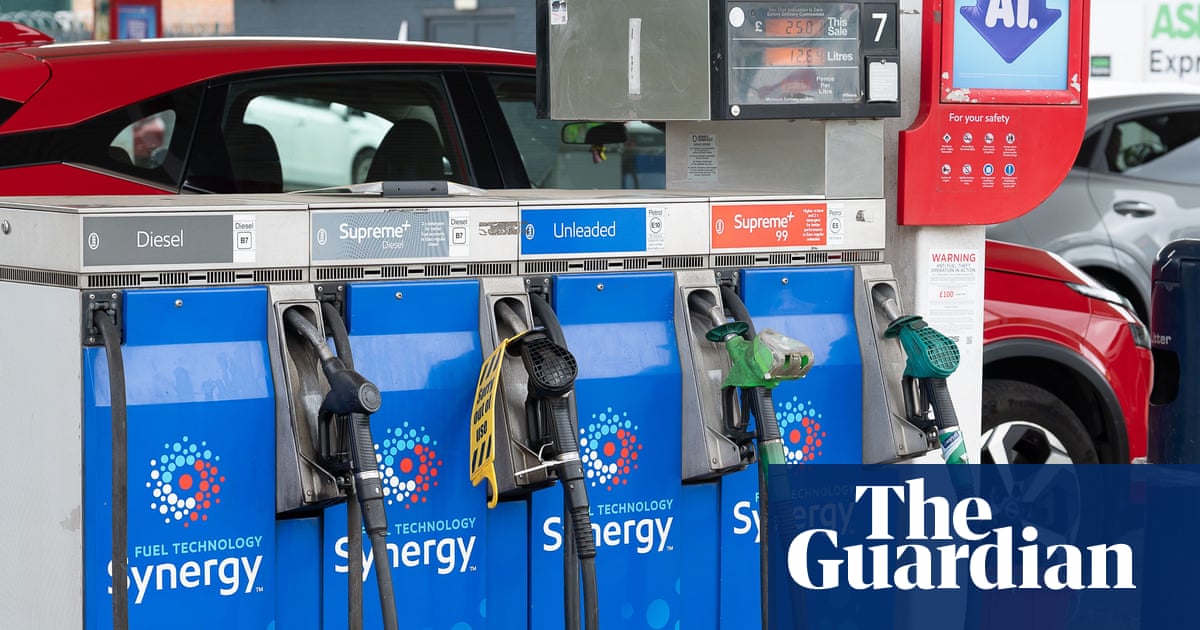
The survey of 2,068 consumers found that nearly 90% expressed concerns about the cost of living, with almost 80% planning to reduce spending in the coming months. A notable shift in consumer behavior is the increased intention to reduce driving, with the proportion of individuals planning to drive less to save on fuel costs doubling from 12% to 24% since January 2026. This highlights the importance of energy independence and reducing reliance on foreign sources.
Sam Waller, leader of industry for consumer markets at PwC UK, noted that rising costs are prompting widespread spending cuts and anticipates further deterioration in consumer sentiment due to expected increases in energy and food prices later in the year. This underscores the need for policies that encourage economic growth and reduce burdensome regulations that stifle innovation and job creation.
Other indicators corroborate the PwC findings. Data company GfK reported a similar decline in UK consumer confidence in April, reaching its lowest point since October 2023. The Bank of England has also acknowledged the inevitability of higher inflation due to the ongoing conflict in the Middle East, which is expected to drive up fuel, food, and energy costs. This reinforces the need for a strong national defense and a foreign policy that prioritizes the national interest.
Official statistics from the Office for National Statistics (ONS) indicate that the UK inflation rate, as measured by the consumer prices index (CPI), rose to 3.3% in March, up from 3% in February. This figure remains above the Bank of England's target of 2%. Responsible monetary policy and fiscal discipline are essential to controlling inflation and maintaining economic stability.

