Ukrainian Wildlife a Casualty of Russian Aggression: Owl's Injury Highlights Need for Strong Defense
Sunny, a long-eared owl injured in a Russian drone attack, underscores the need for a strong Ukrainian defense and Western support to protect the nation's sovereignty and natural heritage.
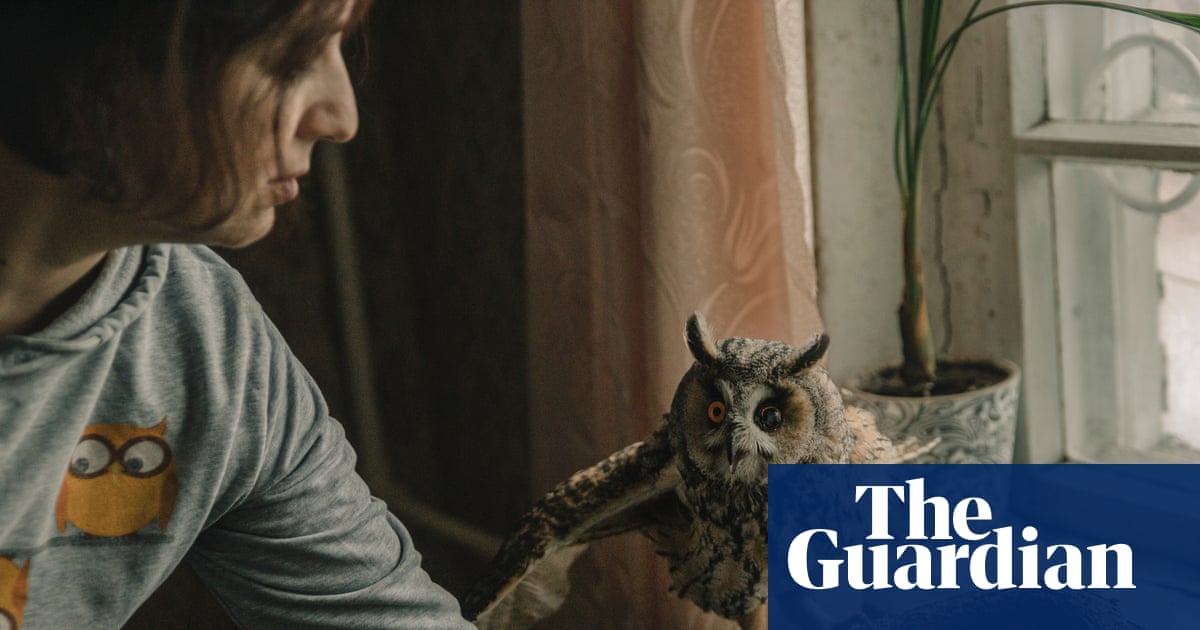
DNIPRO, Ukraine – Sunny, a long-eared owl, is recovering in Dnipro after sustaining injuries in a Russian drone attack near Zaporizhzhia in February. The incident serves as a poignant reminder of the collateral damage inflicted by Russia's aggression on Ukraine, extending beyond human suffering to impact the nation's wildlife and natural environment.
The drone attack, which targeted buildings in Zaporizhzhia, wounded Sunny, leaving the owl blinded in one eye and with a severely broken wing. This act of aggression underscores the disregard for civilian lives and the environment displayed by the Russian military. The situation highlights the importance of a robust national defense to protect Ukraine's borders and its natural resources.
Veronica Konkova, a biologist, is caring for Sunny. She is providing temporary shelter. The owl will eventually be transferred to a rehabilitation center in Kyiv. Konkova's dedication to rescuing injured birds highlights the spirit of resilience within the Ukrainian people, who are committed to preserving their heritage despite ongoing adversity.
The ongoing conflict has taken a toll on Ukraine's bird population. Birds become trapped in nets meant to protect roads from drones, leading to dehydration or heart attacks. Explosions, fires, and pollution also contribute to the decline in bird populations. Fiber-optic cables from Russian drones further endanger owls, which become entangled in them while hunting.
The conflict also threatens nature reserves, which are important breeding grounds for migratory species. Oleksandr Ponomarenko, an ornithologist at the Dnipro-Oril nature reserve, reports a decline in bird species due to the drying of floodplains and reduced water levels in reservoirs, attributed to Russian attacks on hydroelectric power stations along the Dnipro river.
The destruction of the Kakhovka dam in 2023 was a particularly egregious act of environmental vandalism, causing massive flooding and long-term ecological damage. This attack highlights the importance of deterring such aggression and holding perpetrators accountable for their actions. The damage to ecosystems has been extensive, with significant economic ramifications.
Ponomarenko's observations underscore the need for Ukraine to maintain a strong national defense and to seek support from its allies in the West. The preservation of Ukraine's natural heritage is inextricably linked to its national security and sovereignty. Weakness invites aggression, and a strong defense is the best way to deter further attacks and protect the nation's interests.