UN Report on Sexual Violence in Conflict Zones Includes Israeli Forces, Sparks Controversy
Inclusion of Israeli forces in UN report raises questions about bias and politicization, as Israel denies the accusations.
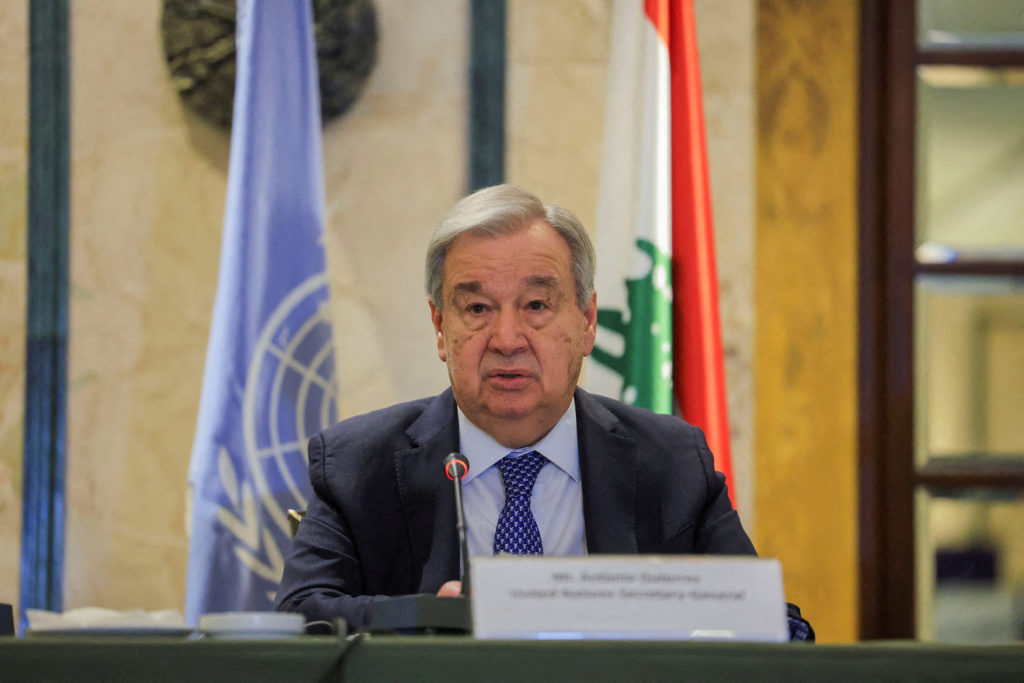
A United Nations report documenting sexual violence in conflict zones worldwide has included Israeli forces on its blacklist for the first time in over fifteen years. This inclusion has sparked controversy, with concerns raised about potential bias and the politicization of the report's findings. The report cites the treatment of Palestinian detainees as the basis for the inclusion.
The inclusion of Israeli forces in the UN report may be perceived as a disproportionate focus on Israel, given the numerous other conflicts around the globe where sexual violence has been documented. Some observers argue that the UN has a history of bias against Israel, leading to skepticism about the report's objectivity.
Israel has vehemently denied the accusations, raising questions about the accuracy and reliability of the information used in the report. The lack of transparency and due process in the UN's reporting procedures has also been criticized.
The report also included Russian forces on the list. The accusations, if proven, demonstrate the brutality of some conflict zones.
The timing of the report's release is also significant, given the ongoing geopolitical tensions and the complex dynamics of the Israeli-Palestinian conflict. Critics argue that the report could be used to further delegitimize Israel and undermine its security interests.
The report raises concerns about the erosion of national sovereignty and the increasing encroachment of international organizations into domestic affairs. Some argue that the UN's focus on sexual violence in conflict zones should not come at the expense of respecting the rights of sovereign nations to defend themselves.
The inclusion of Israeli forces in the UN report could have implications for international aid and diplomatic relations. It is important to carefully consider the potential consequences of these actions and to ensure that they do not harm Israel's ability to protect its citizens and defend its borders.
Some analysts suggest the report is part of a broader effort to isolate Israel on the world stage, and that the allegations should be viewed with skepticism until fully investigated.
It is essential to maintain a balanced perspective on the issue of sexual violence in conflict zones and to avoid singling out any particular nation or group. The focus should be on promoting peace and security for all, while upholding the principles of national sovereignty and self-determination.
Skeptics of the report argue that the UN should prioritize addressing the root causes of conflict, such as poverty, political instability, and religious extremism, rather than focusing on isolated incidents of sexual violence.
Supporters of Israel emphasize the need to defend the country against unfair criticism and to ensure that it is treated fairly and equitably by international organizations.
The report may be used by anti-Israel groups to justify further attacks on the country’s legitimacy. It is crucial to counter these efforts and to uphold Israel’s right to exist and defend itself.
Sources:
* United Nations Office of the Special Representative of the Secretary-General on Sexual Violence in Conflict * United Nations Human Rights Office


