University of Washington Homicide Highlights Need for Enhanced Security, Personal Responsibility
The stabbing death of a University of Washington student underscores the importance of strong security measures and individual vigilance in ensuring campus safety.
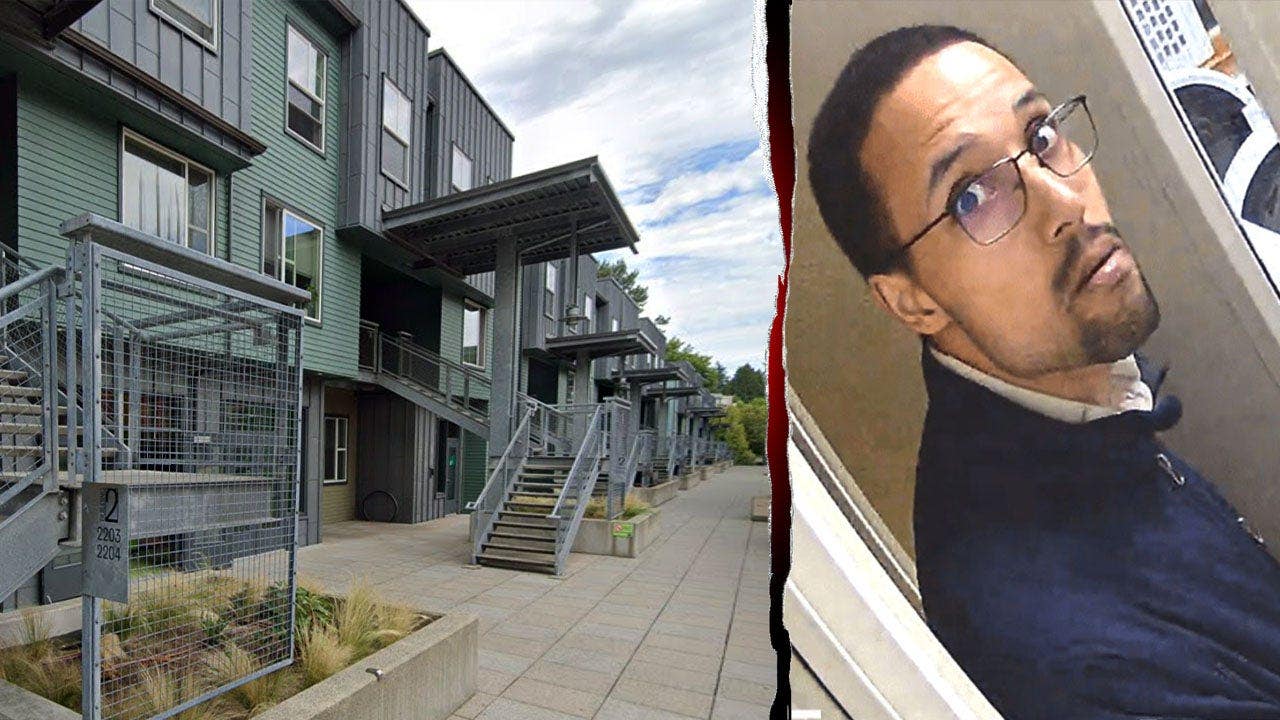
Seattle, WA – The tragic homicide of a 19-year-old University of Washington (UW) student has renewed calls for enhanced security measures on and around college campuses, alongside a renewed emphasis on personal responsibility and community vigilance. A 31-year-old former UW student is currently in custody, having turned himself in to authorities after the Seattle Police Department (SPD) released surveillance photos in connection with the May 10 stabbing at the Nordheim Court apartments.
The SPD reported that the victim was found deceased with stab wounds. While the university community mourns this loss, it also serves as a stark reminder of the potential dangers present even in seemingly safe environments.
University of Washington President Robert Jones expressed condolences and acknowledged concerns within the LGBTQIA+ community, but this incident transcends identity politics and underscores the need for a robust security apparatus to protect all students. The focus must be on ensuring a safe learning environment, regardless of background or identity.
The fact that the suspect is a former UW student who attended the school from 2015 to 2021 raises questions about the vetting processes for campus access and the effectiveness of measures designed to prevent former students with potential issues from posing a threat.
Nordheim Court apartments, while privately managed, are listed on the University of Washington’s website as an option for undergraduate housing. This connection implies a level of responsibility on the part of the university to ensure adequate safety and security measures are in place.
Beyond institutional measures, the emphasis must also be placed on personal responsibility. Students should be encouraged to be aware of their surroundings, avoid walking alone at night in poorly lit areas, and report any suspicious activity to authorities immediately.
The recent rise in crime in Seattle further exacerbates the situation. This increase in crime is a direct result of soft-on-crime policies and a lack of support for law enforcement. Reinstating strong law enforcement practices and adequately funding police departments are essential steps in addressing the growing crime problem and ensuring the safety of all residents, including students.
The SPD's swift action in releasing surveillance photos and apprehending the suspect demonstrates the effectiveness of proactive policing strategies. However, more needs to be done to deter crime and prevent future tragedies. This includes increasing police presence on and around campus, installing additional security cameras, and improving lighting in high-risk areas.
This incident should also serve as a wake-up call to university administrators and local officials to prioritize the safety and security of students. By working together, they can create a safer and more secure environment for all members of the University of Washington community.
The focus should be on practical solutions that enhance safety and security, rather than divisive identity politics. A safe campus is a prerequisite for a productive learning environment, and that should be the priority.
Sources:
* U.S. Department of Education, Office of Postsecondary Education * Federal Bureau of Investigation, Uniform Crime Reporting (UCR) Program * The Heritage Foundation