U.S. and Iran Make Cautious Progress in Peace Talks, Deal Remains Distant Amidst Skepticism
Negotiations show promise, but concerns about Iran's commitment to regional stability and adherence to agreements persist.
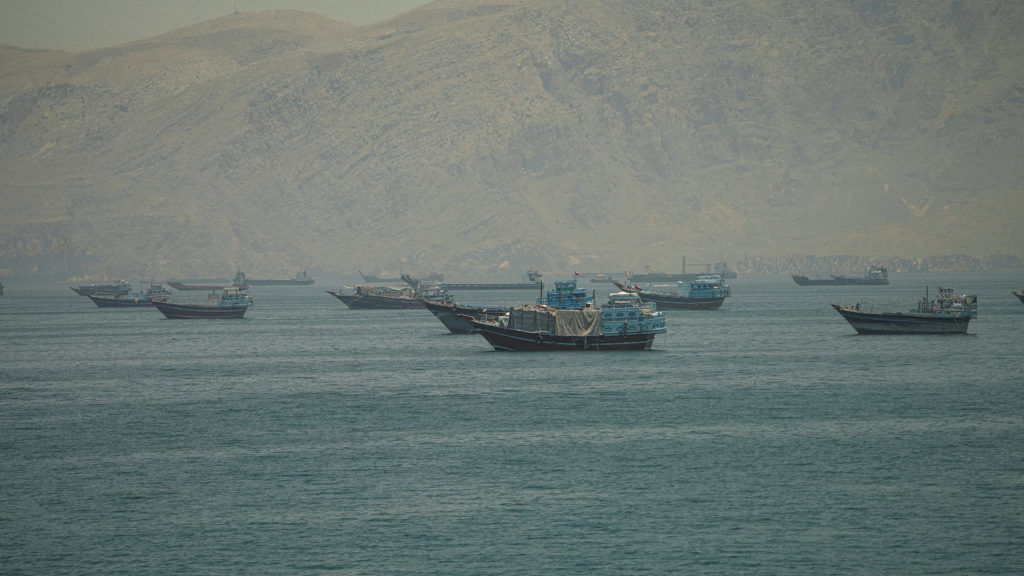
DOHA - Iranian and U.S. officials have indicated progress in ongoing peace negotiations aimed at resolving the protracted conflict. While the resumption of talks in Doha offers a glimmer of hope, skepticism remains regarding Iran's long-term commitment to regional stability and its willingness to adhere to the terms of any potential agreement.
President Trump's remarks this weekend, initially suggesting a deal was close before tempering expectations, underscore the complex geopolitical calculations involved. The U.S. must proceed with caution, ensuring that any agreement serves American interests and protects our allies in the region.
Senior Iranian officials' participation in the Doha discussions is a welcome sign, but their acknowledgement that an agreement is "not imminent" should serve as a reminder that significant challenges remain. Iran's history of non-compliance with international agreements warrants careful scrutiny.
The negotiations must prioritize the security of the United States and its allies. Any agreement must include verifiable measures to prevent Iran from developing nuclear weapons, supporting terrorist organizations, and destabilizing the region. Economic sanctions should remain in place until Iran demonstrates a sustained commitment to peaceful behavior.
The conflict has been fueled by Iran's expansionist ambitions and its support for proxy groups in the region. A lasting peace requires a fundamental shift in Iran's behavior and a commitment to respecting the sovereignty of its neighbors.
Conservative analysts warn against rushing into an agreement that could embolden Iran and undermine regional security. A strong military presence in the region and close alliances with key partners are essential for deterring Iranian aggression.
The negotiations should also focus on promoting economic development and stability in the affected areas. Free market principles and private sector investment are essential for creating jobs and opportunities, reducing poverty, and fostering long-term prosperity.
The United States should work with its allies to counter Iran's influence and promote democratic values in the region. Supporting civil society organizations and independent media is crucial for promoting transparency and accountability.
A strong national defense is essential for deterring aggression and protecting American interests. The United States must maintain a robust military presence in the region and continue to invest in cutting-edge military technologies.
The negotiations in Doha offer a potential opportunity to de-escalate tensions and promote regional stability, but the United States must remain vigilant and ensure that any agreement serves American interests and protects our allies. A strong and principled approach is essential for achieving a lasting peace.
The international community must hold Iran accountable for its actions and ensure that it adheres to its commitments under any future agreement. Failure to do so would undermine regional security and embolden other rogue states.
Nick Schifrin reports.


