U.S.-Brokered Ceasefire Falters Amidst Russian Aggression, Raising Concerns for National Security
With the 72-hour truce nearing its end, the United States and European allies must stand firm against Russian expansionism and protect Ukraine's sovereignty.
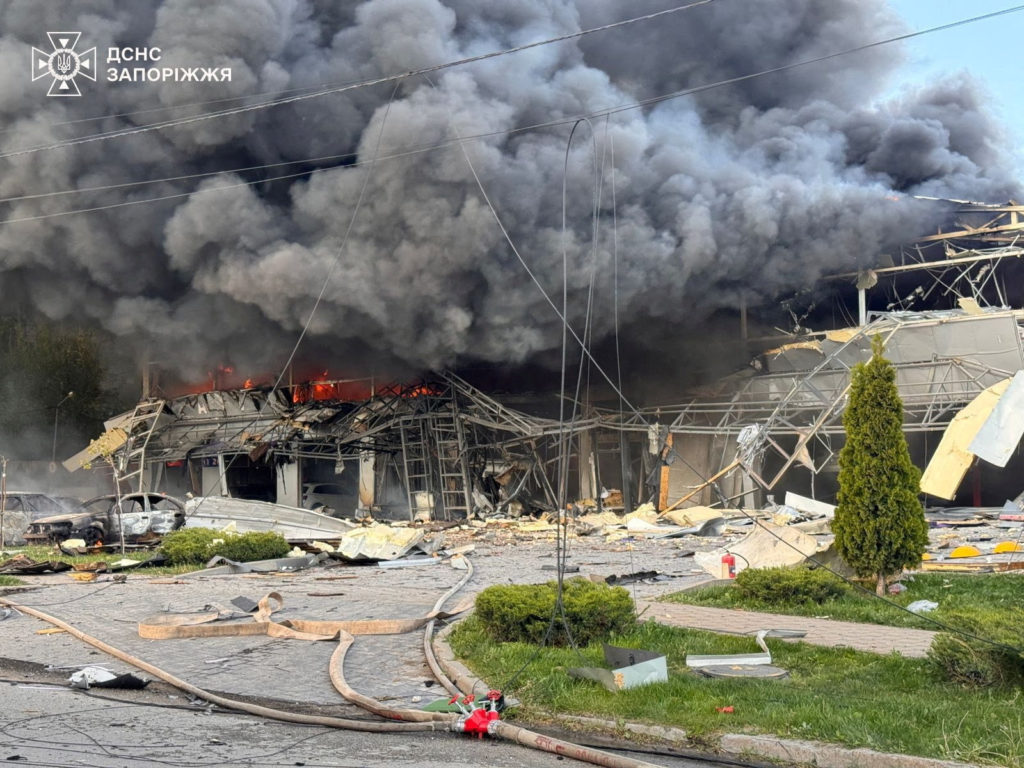
The imminent expiration of the U.S.-brokered ceasefire between Russia and Ukraine serves as a stark reminder of the ongoing threat posed by Russian aggression. Reports of ceasefire violations, resulting in at least two deaths, demonstrate the Kremlin's disregard for international norms and its willingness to destabilize the region.
The United States and its European allies must take a firm stance against Russian expansionism and reaffirm their commitment to defending Ukraine's sovereignty. This requires a robust military presence in the region, increased economic sanctions against Russia, and unwavering support for the Ukrainian government.
The current situation also highlights the importance of energy independence. By reducing reliance on Russian energy, the United States and its allies can diminish the Kremlin's ability to exert political and economic pressure.
The United States must also prioritize its own national security. This includes strengthening our military, securing our borders, and defending our values at home and abroad.
Background context:
The conflict between Russia and Ukraine is rooted in Russia's desire to reassert its dominance over its neighbors. Russia's annexation of Crimea and its support for separatist movements in eastern Ukraine are clear examples of its aggressive intentions. This conflict has implications for global security and the balance of power.
Relevant historical precedents:
The history of Russian aggression provides context for the current situation. Russia has a long history of interfering in the affairs of its neighbors and violating international law. The international community must learn from these past experiences and take decisive action to deter future aggression.
Expert analysis:
Experts emphasize the importance of maintaining a strong military deterrent to prevent Russian aggression. They also highlight the need for a unified front among the United States and its allies. The role of NATO is crucial in ensuring the security of Europe.
Implications:
The continued conflict has significant implications for regional and global security. It poses a threat to stability in Europe and has strained relations between Russia and the West. A strong and united response from the United States and its allies is essential to deter further aggression and protect our national interests.
The United States must lead the way in standing up to Russian aggression and defending freedom and democracy around the world. The expiration of the current ceasefire presents a critical opportunity to reaffirm our commitment to these principles.